EN
EN
 AR
AR
 BG
BG
 FR
FR
 DE
DE
 HI
HI
 IT
IT
 PL
PL
 PT
PT
 RU
RU
 ES
ES
 TL
TL
 IW
IW
 ID
ID
 UK
UK
 VI
VI
 TH
TH
 TR
TR
 FA
FA
 MS
MS
 UR
UR
 BN
BN
 KM
KM
 LO
LO
 PA
PA
 MY
MY
 KK
KK

- نظرة عامة
- المعلَّمة
- استفسار
- المنتجات ذات الصلة
مقدمة
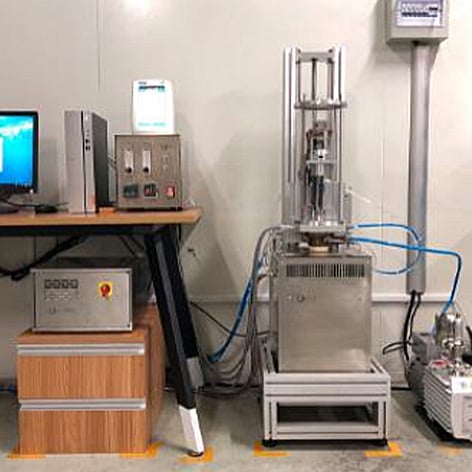
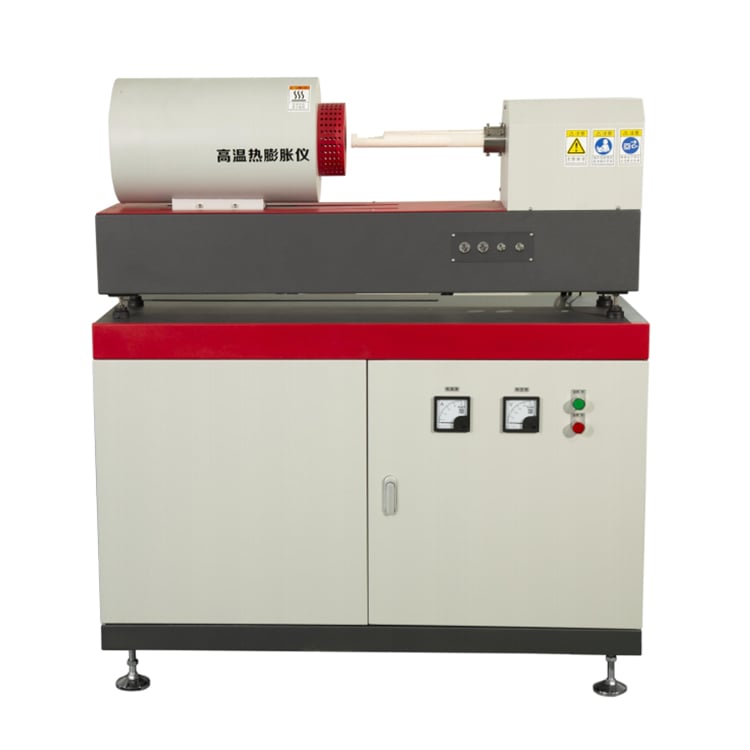
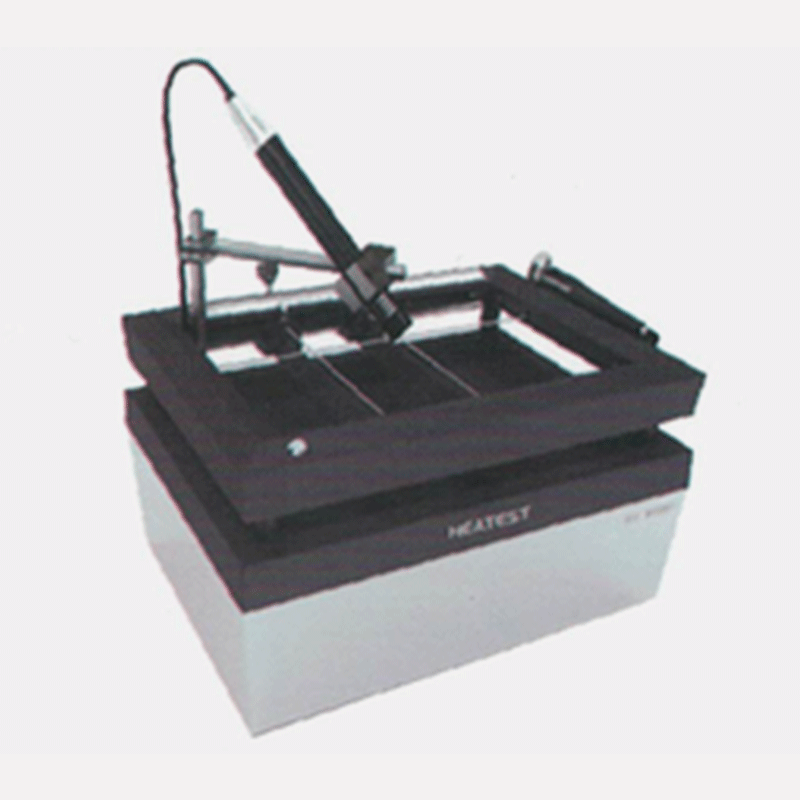
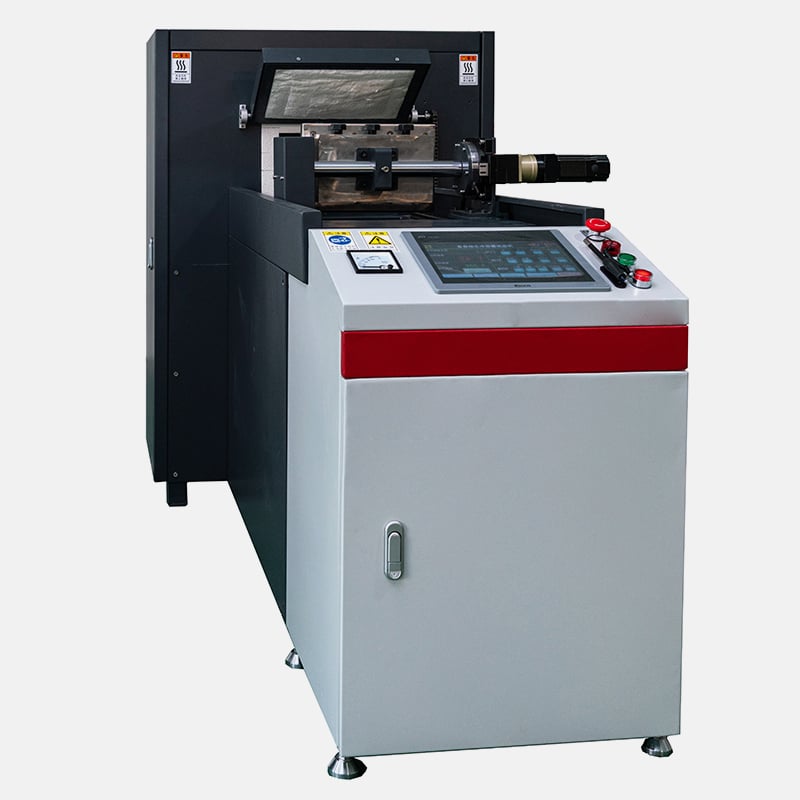
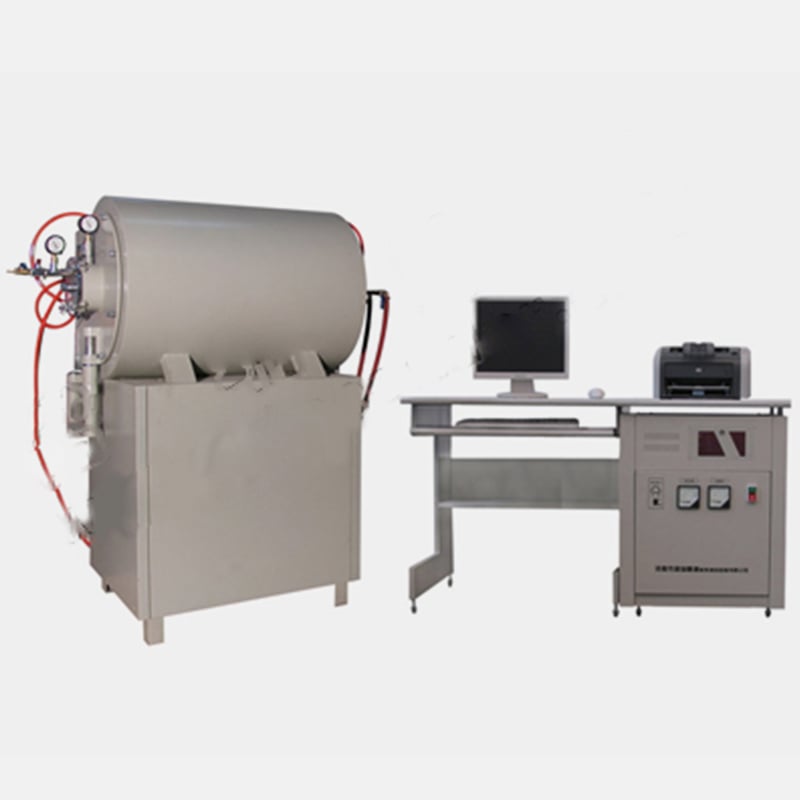
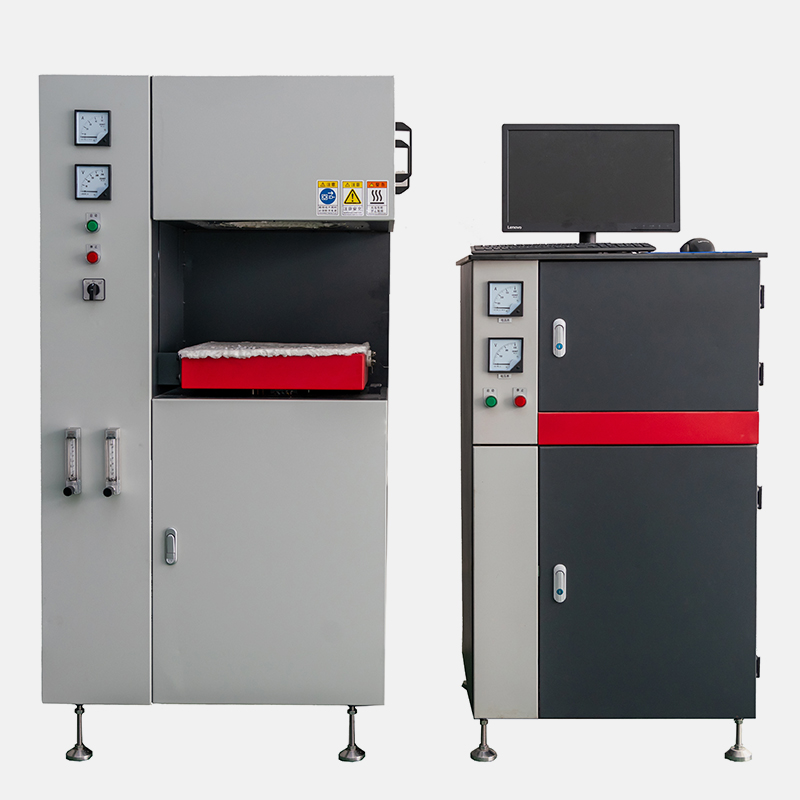
جهاز قياس التوصيل الحراري باللوحة المسطحة يستخدم بشكل أساسي لتحديد التوصيل الحراري لألياف المواد المقاومة للحرارة، ولوحات العزل، والطوب العازل، ومواد العزل الحراري الأخرى، وكذلك لمختلف المواد المقاومة للحرارة غير الشكلية، مع توصيل حراري يتراوح بين 0.01 و3.0 واط/(م·ك) في مدى درجة حرارة من 200 إلى 1300°م.
يلبي جهاز قياس التوصيل الحراري للوحة المسطحة معيار الاختبار YBT4130. ويعتمد على المبدأ الأساسي للتوصيل الحراري الأحادي البُعد للوحة مسطحة، حيث يقوم بقياس كمية الحرارة التي تحملها المياه في جهاز قياس الحرارة بعد مرور تدفق الحرارة الأحادي البُعد من السطح الساخن للعينة إلى السطح البارد. تكون الحرارة Q متناسبة طرديًا مع التوصيلية الحرارية λ ومعكوسًا مع فرق درجة الحرارة بين السطحين الساخن والبارد للعينة. ويحسب هذا الجهاز التوصيلية الحرارية λ من خلال قياس Q وλ.
يتكون جهاز قياس التوصيل الحراري للوحة المسطحة بشكل رئيسي من فرن تسخين، ونظام تحكم بالكمبيوتر المصغر، ونظام تبريد بالمياه الدوارة، ونظام جهاز قياس الحرارة، ونظام مياه بضغط ثابت.
المواصفات
| المواصفات | |||
| نموذج/مواصفات | PBDRHT13A | PBDRHT15A | PBDRHT13 |
| درجة حرارة التشغيل (مئوية) | 1300 | 1500 | 1300 |
| التوصيلية الحرارية، واط/م.ك | 0.01-3.0 | ||
| حجم العينة (مم) | ø180(205) | ||
| دقة القياس، % | 3 | ||
| نمط الاختبار | تلقائي | التشغيل اليدوي | |