
 EN
EN
 AR
AR
 BG
BG
 FR
FR
 DE
DE
 HI
HI
 IT
IT
 PL
PL
 PT
PT
 RU
RU
 ES
ES
 TL
TL
 IW
IW
 ID
ID
 UK
UK
 VI
VI
 TH
TH
 TR
TR
 FA
FA
 MS
MS
 UR
UR
 BN
BN
 KM
KM
 LO
LO
 PA
PA
 MY
MY
 KK
KK
ਉੱਚ-ਤਾਪਮਾਨ ਲੋਡ ਸਾਫਟਨਿੰਗ ਟੈਸਟਰ ਦੀ ਤਾਪਮਾਨ ਨਿਯੰਤਰਣ ਸ਼ੁੱਧਤਾ ਕਿੰਨੀ ਹੈ?
ਉੱਚ-ਤਾਪਮਾਨ ਲੋਡ ਸਾਫਟਨਿੰਗ ਟੈਸਟਰ ਇੱਕ ਵਿਸ਼ੇਸ਼ ਪ੍ਰਯੋਗਸ਼ਾਲਾ ਉਪਕਰਣ ਹੈ ਜਿਸਦਾ ਮੁੱਖ ਤੌਰ 'ਤੇ ਉੱਚ ਤਾਪਮਾਨ ਦੀਆਂ ਸਥਿਤੀਆਂ ਹੇਠ ਅਗਨਿਰੋਧੀ ਸਮੱਗਰੀਆਂ ਦੇ ਲੋਡ ਸਾਫਟਨਿੰਗ ਤਾਪਮਾਨ ਅਤੇ ਉੱਚ-ਤਾਪਮਾਨ ਸੰਕੁਚਨ ਕ੍ਰੀਪ ਦਰ ਨੂੰ ਨਿਰਧਾਰਤ ਕਰਨ ਲਈ ਵਰਤਿਆ ਜਾਂਦਾ ਹੈ। ਇਹ ਯੰਤਰ ਵਿਸ਼ੇਸ਼ ਤੌਰ 'ਤੇ ਅਗਨਿਰੋਧੀ ਸਮੱਗਰੀਆਂ ਦੇ ਉੱਚ-ਤਾਪਮਾਨ ਪ੍ਰਦਰਸ਼ਨ ਦੀ ਮੁਲਾਂਕਣ ਲਈ ਮਹੱਤਵਪੂਰਨ ਹੈ ਅਤੇ ਸੀਮੈਂਟ, ਕੰਕ੍ਰੀਟ, ਮਾਰਟਾਰ, ਐਸਫਾਲਟ ਟੈਸਟਿੰਗ ਅਤੇ ਅਗਨਿਰੋਧੀ ਸਮੱਗਰੀ ਖੋਜ ਵਰਗੇ ਖੇਤਰਾਂ ਵਿੱਚ ਵਿਆਪਕ ਤੌਰ 'ਤੇ ਵਰਤਿਆ ਜਾਂਦਾ ਹੈ।
1. ਤਾਪਮਾਨ ਨਿਯੰਤਰਣ ਦੀ ਸ਼ੁੱਧਤਾ
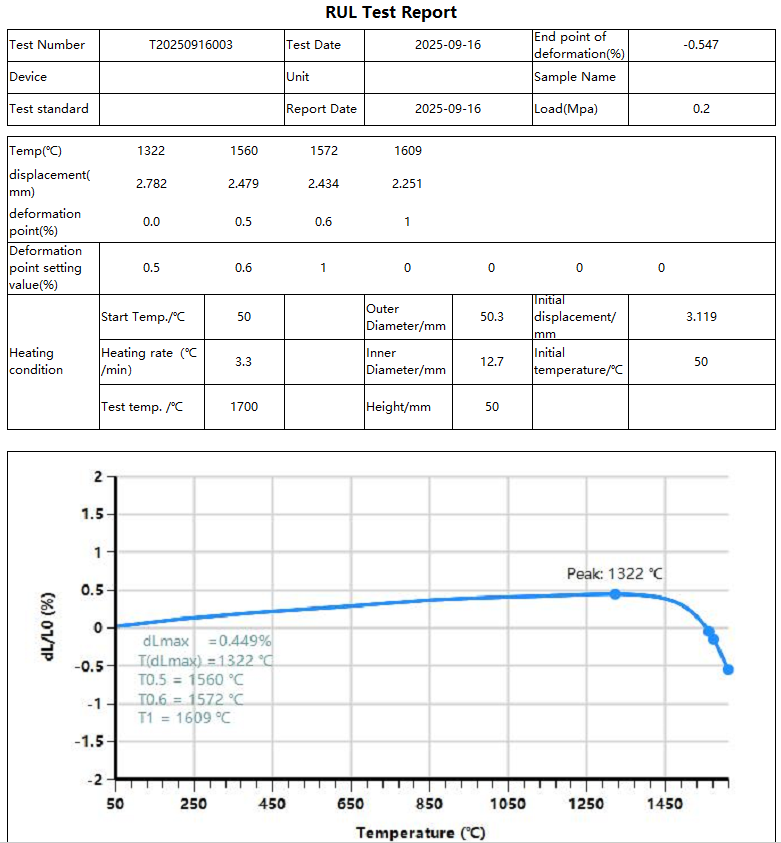
ਉੱਚ-ਤਾਪਮਾਨ ਲੋਡ ਸਾਫਟਨਿੰਗ ਟੈਸਟਰ ਦੀ ਤਾਪਮਾਨ ਨਿਯੰਤਰਣ ਸ਼ੁੱਧਤਾ ਆਮ ਤੌਰ ‘ਤੇ ਬਹੁਤ ਉੱਚੀ ਹੁੰਦੀ ਹੈ, ਜੋ ਪ੍ਰਯੋਗਾਤਮਕ ਡੇਟਾ ਦੀ ਸ਼ੁੱਧਤਾ ਅਤੇ ਵਿਸ਼ਵਸਨੀਯਤਾ ਨੂੰ ਯਕੀਨੀ ਬਣਾਉਂਦੀ ਹੈ। ਖਾਸ ਉਪਕਰਣ ਮਾਡਲ ਅਤੇ ਤਕਨੀਕੀ ਵਿਸ਼ੇਸ਼ਤਾਵਾਂ ‘ਤੇ ਨਿਰਭਰ ਕਰਦੇ ਹੋਏ, ਤਾਪਮਾਨ ਨਿਯੰਤਰਣ ਦੀ ਸ਼ੁੱਧਤਾ ਵਿੱਚ ਥੋੜ੍ਹਾ ਜਿਹਾ ਫਰਕ ਹੋ ਸਕਦਾ ਹੈ, ਪਰ ਆਮ ਤੌਰ ‘ਤੇ ਇਹ ±1°C ਤੋਂ ±2°C ਦੀ ਸੀਮਾ ਵਿੱਚ ਹੁੰਦੀ ਹੈ। ਉਦਾਹਰਣ ਲਈ, ਕੁਝ ਮਾਡਲਾਂ ਵਿੱਚ ਲੋਡ ਸਾਫਟਨਿੰਗ ਟੈਸਟਾਂ ਦੌਰਾਨ 1700°C ਤੱਕ ਅਤੇ ਕ੍ਰੀਪ ਟੈਸਟਾਂ ਦੌਰਾਨ 1550°C ਤੱਕ ਕਾਰਜ ਕਰਨ ਦਾ ਤਾਪਮਾਨ ਹੁੰਦਾ ਹੈ, ਜਿਸ ਵਿੱਚ 0–10°C/ਮਿੰਟ ਦੀ ਗਰਮੀ ਦੀ ਦਰ ਅਤੇ ±1°C ਦੀ ਤਾਪਮਾਨ ਨਿਯੰਤਰਣ ਸ਼ੁੱਧਤਾ ਸ਼ਾਮਲ ਹੁੰਦੀ ਹੈ। ਇਹ ਇਹ ਦਰਸਾਉਂਦਾ ਹੈ ਕਿ, ਭਾਵੇਂ ਅਤਿ ਉੱਚ-ਤਾਪਮਾਨ ਦੀਆਂ ਸਥਿਤੀਆਂ ਵਿੱਚ ਵੀ, ਉਪਕਰਣ ਸ਼ੁੱਧ ਤਾਪਮਾਨ ਨਿਯੰਤਰਣ ਨੂੰ ਬਣਾਏ ਰੱਖਦਾ ਹੈ, ਜਿਸ ਨਾਲ ਪ੍ਰਯੋਗਾਂ ਲਈ ਇੱਕ ਸਥਿਰ ਅਤੇ ਵਿਸ਼ਵਸਨੀਯ ਵਾਤਾਵਰਣ ਪ੍ਰਦਾਨ ਕੀਤਾ ਜਾਂਦਾ ਹੈ।
2. ਉਪਕਰਣ ਦੀਆਂ ਵਿਸ਼ੇਸ਼ਤਾਵਾਂ
ਸਹੀ ਤਾਪਮਾਨ ਨਿਯੰਤਰਣ: ਉੱਚ-ਤਾਪਮਾਨ ਲੋਡ ਸਾਫਟਨਿੰਗ ਟੈਸਟਰ ਵਿੱਚ ਇੱਕ ਉੱਨਤ ਤਾਪਮਾਨ ਨਿਯੰਤਰਣ ਪ੍ਰਣਾਲੀ ਦੀ ਵਰਤੋਂ ਕੀਤੀ ਜਾਂਦੀ ਹੈ ਜੋ ਸਹੀ ਤਾਪਮਾਨ ਨਿਯੰਤਰਣ ਅਤੇ ਪ੍ਰਬੰਧਨ ਦੇ ਯੋਗ ਹੁੰਦੀ ਹੈ, ਜਿਸ ਨਾਲ ਪ੍ਰਯੋਗਾਤਮਕ ਪ੍ਰਕਿਰਿਆ ਦੌਰਾਨ ਤਾਪਮਾਨ ਦੀ ਸਥਿਰਤਾ ਅਤੇ ਇੱਕਰੂਪਤਾ ਨੂੰ ਯਕੀਨੀ ਬਣਾਇਆ ਜਾਂਦਾ ਹੈ।
ਆਟੋਮੇਟਿਡ ਓਪਰੇਸ਼ਨ: ਬਹੁਤ ਸਾਰੇ ਉੱਚ-ਤਾਪਮਾਨ ਲੋਡ ਸਾਫਟਨਿੰਗ ਟੈਸਟਰਾਂ ਵਿੱਚ ਆਟੋਮੇਟਿਡ ਨਿਯੰਤਰਣ ਪ੍ਰਣਾਲੀਆਂ ਲਗਾਈਆਂ ਗਈਆਂ ਹੁੰਦੀਆਂ ਹਨ ਜੋ ਸਵੈਮੇਵ ਟੈਸਟ ਪ੍ਰੋਗਰਾਮਾਂ ਨੂੰ ਅੰਜਾਮ ਦੇ ਸਕਦੀਆਂ ਹਨ; ਤਾਪਮਾਨ, ਵਿਰੂਪਣ/ਕ੍ਰੀਪ ਦੀ ਦਰ ਅਤੇ ਸਮਾਂ ਵਰਗੇ ਪੈਰਾਮੀਟਰਾਂ ਲਈ ਵਕਰਾਂ ਨੂੰ ਰਿਕਾਰਡ ਅਤੇ ਪਲਾਟ ਕਰ ਸਕਦੀਆਂ ਹਨ; ਅਤੇ ਟੈਸਟ ਦੇ ਨਤੀਜਿਆਂ ਨੂੰ ਸਵੈਮੇਵ ਲਾਗ ਕਰ ਸਕਦੀਆਂ ਹਨ।
ਉੱਚ ਟੈਸਟਿੰਗ ਕਾਰਜਕੁਸ਼ਲਤਾ: ਕੁਝ ਉਪਕਰਣ ਇੱਕੋ ਸਮੇਂ 'ਤੇ ਕਈ ਨਮੂਨਿਆਂ ਦੀ ਟੈਸਟਿੰਗ ਕਰਨ ਦੇ ਯੋਗ ਹੁੰਦੇ ਹਨ, ਜਿਸ ਨਾਲ ਪ੍ਰਯੋਗਾਤਮਕ ਕਾਰਜਕੁਸ਼ਲਤਾ ਵਿੱਚ ਮਹੱਤਵਪੂਰਨ ਵਾਧਾ ਹੁੰਦਾ ਹੈ। ਉਦਾਹਰਣ ਲਈ, ਕੁਝ ਮਾਡਲ ਤਿੰਨ ਨਮੂਨਿਆਂ 'ਤੇ ਲੋਡ ਸਾਫਟਨਿੰਗ ਜਾਂ ਕ੍ਰੀਪ ਟੈਸਟ ਇੱਕੋ ਸਮੇਂ 'ਤੇ ਕਰ ਸਕਦੇ ਹਨ।
ਸੁਰੱਖਿਆ ਸੁਰੱਖਿਆ ਫੰਕਸ਼ਨ: ਪ੍ਰਯੋਗਾਤਮਕ ਸੁਰੱਖਿਆ ਨੂੰ ਯਕੀਨੀ ਬਣਾਉਣ ਲਈ, ਉੱਚ-ਤਾਪਮਾਨ ਲੋਡ ਸਾਫਟਨਿੰਗ ਟੈਸਟਰਾਂ ਵਿੱਚ ਆਮ ਤੌਰ 'ਤੇ ਸੁਰੱਖਿਆ ਉਪਾਅ—ਜਿਵੇਂ ਕਿ ਓਵਰ-ਤਾਪਮਾਨ ਸੁਰੱਖਿਆ ਅਤੇ ਹੀਟਿੰਗ ਐਲੀਮੈਂਟ ਦੀ ਫੇਲ੍ਹ ਤੋਂ ਸੁਰੱਖਿਆ—ਸ਼ਾਮਲ ਹੁੰਦੇ ਹਨ, ਤਾਂ ਜੋ ਟੈਸਟਿੰਗ ਪ੍ਰਕਿਰਿਆ ਦੌਰਾਨ ਹਾਦਸੇ ਜਾਂ ਖਤਰਨਾਕ ਸਥਿਤੀਆਂ ਨੂੰ ਰੋਕਿਆ ਜਾ ਸਕੇ।
ਡੇਟਾ ਪ੍ਰੋਸੈਸਿੰਗ ਸਮਰੱਥਾ: ਆਧੁਨਿਕ ਉੱਚ-ਤਾਪਮਾਨ ਲੋਡ ਸਾਫਟਨਿੰਗ ਟੈਸਟਰਾਂ ਵਿੱਚ ਆਮ ਤੌਰ 'ਤੇ ਮਜ਼ਬੂਤ ਡੇਟਾ ਪ੍ਰੋਸੈਸਿੰਗ ਸਮਰੱਥਾ ਹੁੰਦੀ ਹੈ, ਜੋ ਟੈਸਟ ਡੇਟਾ ਨੂੰ ਸਟੋਰ ਕਰਨ ਦੀ ਆਗਿਆ ਦਿੰਦੀ ਹੈ ਅਤੇ ਤੀਜੀ ਪਾਰਟੀ ਸਾਫਟਵੇਅਰ ਰਾਹੀਂ ਡੇਟਾ ਨੂੰ ਪੁੱਛਿਆ ਜਾਣਾ ਅਤੇ ਖੋਜਿਆ ਜਾਣਾ ਸੰਭਵ ਬਣਾਉਂਦੀ ਹੈ।
ਲਚਕੀਲੀ ਤਾਪਮਾਨ ਨਿਯੰਤਰਣ ਸੀਮਾ: ਡਿਵਾਈਸ ਇੱਕ ਵਿਆਪਕ ਤਾਪਮਾਨ ਸੀਮਾ ਵਿੱਚ ਕੰਮ ਕਰਨ ਦੇ ਯੋਗ ਹੈ, ਅਤੇ ਗਰਮੀ ਦੀ ਦਰ ਨੂੰ ਇੱਕ ਨਿਸ਼ਚਿਤ ਸੀਮਾ ਵਿੱਚ ਆਜ਼ਾਦੀ ਨਾਲ ਕਾਨਫਿਗਰ ਕੀਤਾ ਜਾ ਸਕਦਾ ਹੈ ਤਾਂ ਜੋ ਵੱਖ-ਵੱਖ ਪ੍ਰਯੋਗਾਤਮਕ ਲੋੜਾਂ ਨੂੰ ਪੂਰਾ ਕੀਤਾ ਜਾ ਸਕੇ। ਸੰਖੇਪ ਵਿੱਚ, ਉੱਚ-ਤਾਪਮਾਨ ਲੋਡ-ਸਾਫਟਨਿੰਗ ਟੈਸਟਰ ਵਿੱਚ ਉੱਚ-ਤਾਪਮਾਨ ਨਿਯੰਤਰਣ ਦੀ ਸ਼ੁੱਧਤਾ, ਆਟੋਮੇਟਿਡ ਆਪਰੇਸ਼ਨ, ਉੱਚ ਟੈਸਟਿੰਗ ਕਾਰਜਕੁਸ਼ਲਤਾ, ਸੁਰੱਖਿਆ ਸੁਰੱਖਿਆ ਫੰਕਸ਼ਨਾਂ ਅਤੇ ਲਚਕੀਲੀ ਤਾਪਮਾਨ ਨਿਯੰਤਰਣ ਸੀਮਾ ਸ਼ਾਮਲ ਹੈ। ਇਹ ਵਿਸ਼ੇਸ਼ਤਾਵਾਂ ਇਸਨੂੰ ਅੱਗ-ਰੋਧੀ ਸਮੱਗਰੀਆਂ ਵਰਗੇ ਉਦਯੋਗਾਂ ਵਿੱਚ ਉੱਚ-ਤਾਪਮਾਨ ਪ੍ਰਦਰਸ਼ਨ ਟੈਸਟਿੰਗ ਕਰਨ ਲਈ ਇੱਕ ਮਹੱਤਵਪੂਰਨ ਚੋਣ ਬਣਾਉਂਦੀਆਂ ਹਨ।
ਸੁਝਾਏ ਗਏ ਉਤਪਾਦ



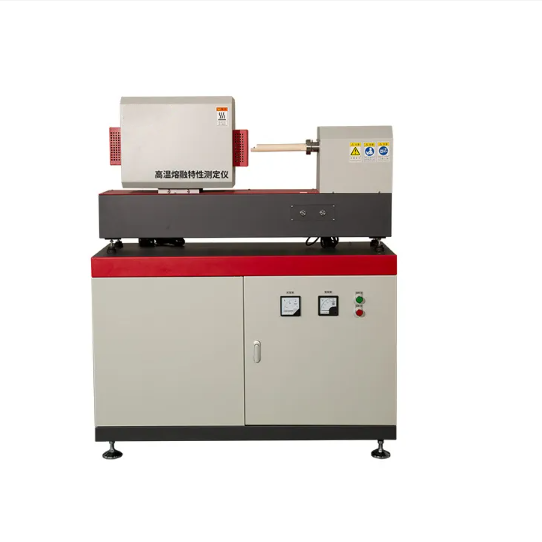


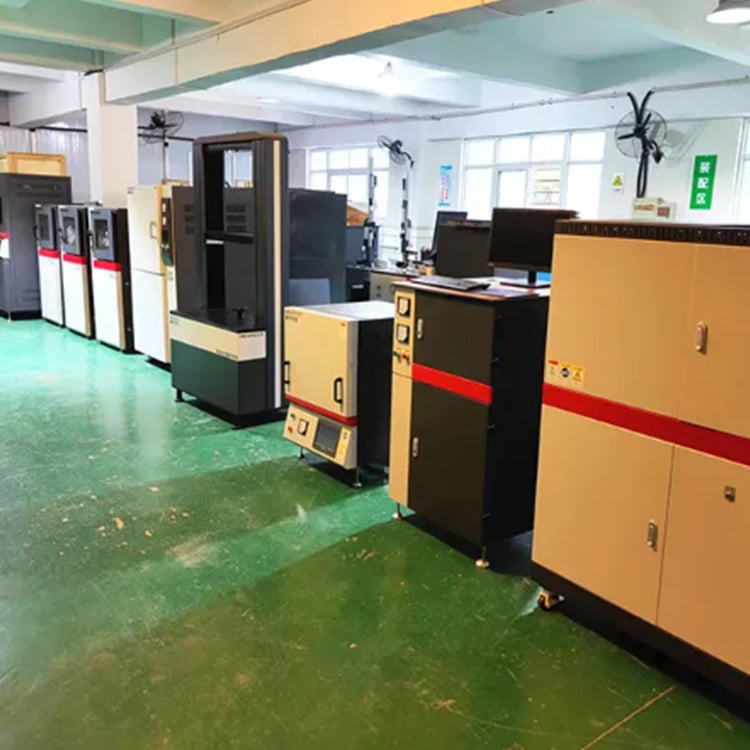
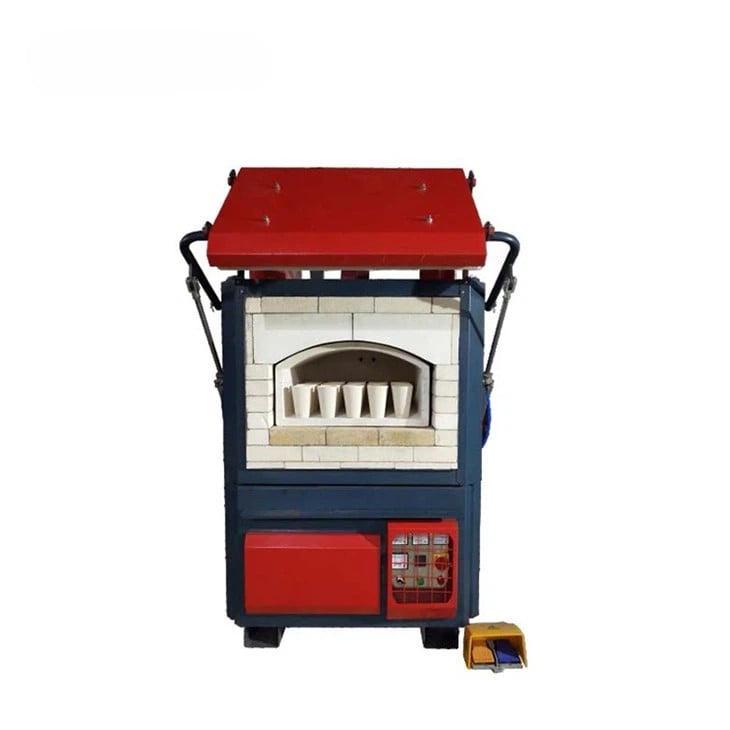
गरम समाचार
-
ਕਾਂਟੀਨੈਂਟਾਂ ਰਾਹੀਂ, ਸ਼ੁੱਧਤਾ ਦੀ ਇੱਕ ਸਾਂਝੀ ਖੋਜ | ਜ਼ਿੰਬਾਬਵੇ ਦੇ ਜ਼ਿਐਮਐੱਫ ਗਾਹਕ ਨੇ ਕੰਟੇਨਰਾਈਜ਼ਡ ਸੈਂਪਲ ਤਿਆਰੀ + ਫਾਇਰ ਐਸੇ ਅਤੇ ਵਿਸ਼ਲੇਸ਼ਣ ਸਿਸਟਮ ਦੀ ਜਾਂਚ ਲਈ ਜੇਜ਼ੇਜੇ ਟੈਸਟ ਦਾ ਦੌਰਾ ਕੀਤਾ
2026-09-30
-
ਇਥੋਪੀਆ ਅੱਗ ਦੀ ਪ੍ਰਯੋਗਿਕ ਵਿਧੀ ਅਜ਼ਮਾਇਸ਼ 4: ਨਮੂਨਾ ਫਿਊਜ਼ਨ, ਕਿਊਪੇਲੇਸ਼ਨ, ਅਤੇ ਔਜ਼ਾਰ ਸੈੱਟ—ਕੀਮਿਆਈ ਤੌਰ 'ਤੇ ਮੁੱਲਵਾਨ ਧਾਤਾਂ ਦੇ ਸਹੀ ਸੰਘਣੇਪਣ ਅਤੇ ਉਨ੍ਹਾਂ ਦੇ "ਅੱਗ ਰਾਹੀਂ ਪੁਨਰਜਨਮ" ਨੂੰ ਦੇਖਣਾ।
2026-08-31
-
ਲੋਡ ਅਤੇ ਕ੍ਰੀਪ ਟੈਸਟਰ ਅਧੀਨ ਰੈਫ੍ਰੈਕਟਰੀਨੈੱਸ ਦੀ ਰੋਜ਼ਾਨਾ ਮੇਂਟੇਨੈਂਸ ਅਤੇ ਦੇਖਭਾਲ
2026-08-27
-
ਲੈਬ ਦੀ ਕਾਰਜਕੁਸ਼ਲਤਾ ਨੂੰ ਬਦਲ ਰਿਹਾ ਹੈ: ਐੱਚਐੱਨਜੇਸੀ-ਟੀ੪ਏ ਕਿਵੇਂ ਐਕਸਆਰਐੱਫ ਸੈਂਪਲ ਤਿਆਰੀ ਨੂੰ ਮੁੜ ਪਰਿਭਾਸ਼ਿਤ ਕਰਦਾ ਹੈ
2026-08-10
-
ਉੱਚ-ਤਾਪਮਾਨ ਦੀ ਧੀਮੀ ਵਿਕ੍ਰਿਤੀ ਟੈਸਟਰ ਦੀ ਸੇਵਾ ਜੀਵਨ ਨੂੰ ਕਿਵੇਂ ਵਧਾਇਆ ਜਾ ਸਕਦਾ ਹੈ? ਸੇਵਾ ਜੀਵਨ ਨੂੰ ਪ੍ਰਭਾਵਿਤ ਕਰਨ ਵਾਲੇ ਕਾਰਕ।
2026-07-21
-
ਤੁਸੀਂ ਲੋਡ ਅਧੀਨ ਨਰਮ ਹੋਣ ਲਈ ਸਹੀ ਉੱਚ-ਤਾਪਮਾਨ ਕ੍ਰੀਪ ਟੈਸਟਰ ਕਿਵੇਂ ਚੁਣਦੇ ਹੋ?
2026-07-09
-
ਇੱਕ ਸ਼ਕਤੀਸ਼ਾਲੀ ਸਾਂਝੇਦਾਰੀ: ਐਰੀਟ੍ਰੀਆ ਗੋਲਡ ਮਾਈਨਿੰਗ ਕੰਪਨੀ ਨੇ ਉੱਨਤ JZJ TEST ਫਾਇਰ ਐਸੇ ਉਪਕਰਣਾਂ ਨੂੰ ਅਪਣਾਇਆ, ਜੋ ਸੋਨੇ ਦੀ ਸ਼ੁੱਧੀਕਰਨ ਅਤੇ ਪਰੀਖਣ ਵਿੱਚ ਨਵੇਂ ਮਿਆਰਾਂ ਨੂੰ ਅੱਗੇ ਵਧਾ ਰਹੀ ਹੈ
2026-07-02
-
ਵਿਦੇਸ਼ੀ ਟੈਸਟਿੰਗ ਸਮਰੱਥਾਵਾਂ ਨੂੰ ਅਪਗ੍ਰੇਡ ਕੀਤਾ ਗਿਆ: ਚੀਨ ਦੀ 15MCC ਦੀ ਇੰਡੋਨੇਸ਼ੀਆਈ ਸਬਸੀਡੀਅਰੀ ਨੇ ਪੂਰੇ ਪੈਮਾਨੇ 'ਤੇ ਅੱਗ ਦੀ ਵਿਸ਼ਲੇਸ਼ਣ ਉਪਕਰਣ ਪੇਸ਼ ਕੀਤੇ ਹਨ
2026-06-15
-
ਪਾਊਡਰ ਤੋਂ ਡੇਟਾ ਤੱਕ: ਤੱਤ ਵਿਸ਼ਲੇਸ਼ਣ ਲਈ ਫਿਊਜਨ ਨਮੂਨਾ ਵਿਸ਼ਲੇਸ਼ਕ ਅਤੇ ਸਪੈਕਟ੍ਰੋਮੀਟਰ ਦੇ ਪੂਰਨ ਜੋੜੇ ਦੇ ਰਾਜ਼ ਨੂੰ ਉਜਾਗਰ ਕਰਨਾ
2026-06-09
-
ਦਸ ਹਜ਼ਾਰ ਮੀਲ ਤੱਕ ਫੈਲਿਆ ਹੋਇਆ, ਗੁਣਵੱਤਾ ਪ੍ਰਮਾਣਿਤ | JZJ TEST ਅੱਗ ਦੀ ਪ੍ਰਯੋਗਸ਼ਾਲਾ ਦੇ ਉਪਕਰਣਾਂ ਨੂੰ ਰੂਸੀ ਗਾਹਕ ਨੂੰ ਸਫਲਤਾਪੂਰਨ ਪ੍ਰਦਾਨ ਕੀਤਾ ਗਿਆ
2026-05-26


