
 EN
EN
 AR
AR
 BG
BG
 FR
FR
 DE
DE
 HI
HI
 IT
IT
 PL
PL
 PT
PT
 RU
RU
 ES
ES
 TL
TL
 IW
IW
 ID
ID
 UK
UK
 VI
VI
 TH
TH
 TR
TR
 FA
FA
 MS
MS
 UR
UR
 BN
BN
 KM
KM
 LO
LO
 PA
PA
 MY
MY
 KK
KK

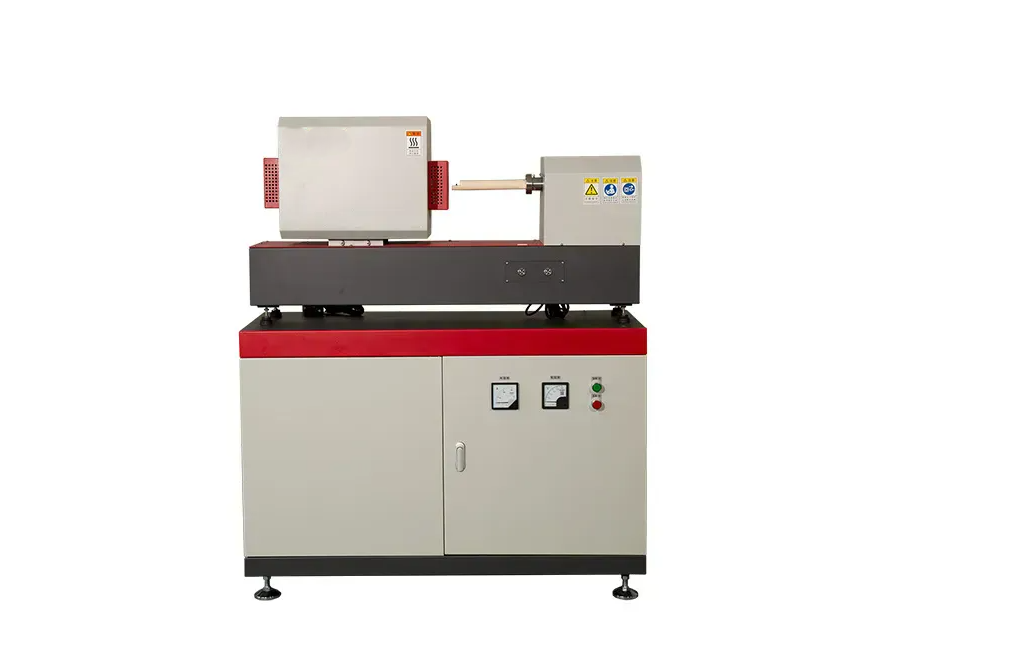
ในการวิจัย พัฒนา และการผลิตแก้ว เซรามิก ผงโลหะ บรรจุภัณฑ์อิเล็กทรอนิกส์ และโลหะผสมใหม่ ๆ การเปลี่ยนสถานะของวัสดุที่อุณหภูมิสูง — จากของแข็งเป็นของเหลว จากการเผาเชื่อม (sintering) ไปจนถึงการไหล — มีผลโดยตรงต่อช่วงเงื่อนไขกระบวนการ (process windows) และคุณภาพของผลิตภัณฑ์ขั้นสุดท้าย วิธีการแบบดั้งเดิมมักอาศัยการสังเกตด้วยตาเปล่าหรือการคำนวณทางอ้อม ทำให้ยากต่อการได้มาซึ่งข้อมูลเชิงคุณลักษณะที่มีลักษณะแบบพลวัต (dynamic) มีปริมาณที่วัดได้ (quantitative) และสามารถทำซ้ำได้ (repeatable) เราจะสามารถ ‘มองเห็น’ กระบวนการนี้อย่างเป็นธรรมชาติและวัดค่าเชิงปริมาณได้อย่างไร? เครื่องวัดคุณลักษณะการหลอมละลายที่อุณหภูมิสูง จากบริษัท Nanyang JZJ Testing Equipment Co., Ltd. มอบวิธีแก้ปัญหาที่เชื่อถือได้สำหรับความท้าทายนี้ โดยใช้เทคโนโลยีการวิเคราะห์ภาพแบบไม่สัมผัส (non-contact image analysis) และเทคโนโลยีควบคุมอุณหภูมิที่มีความแม่นยำสูง
เทคโนโลยีหลัก: แบบไม่สัมผัส บันทึกภาพแบบเต็มรูปแบบ และวิเคราะห์อย่างชาญฉลาด อุปกรณ์นี้ใช้ เทคโนโลยีการวิเคราะห์ภาพแบบไม่สัมผัส ขณะจำลองประวัติศาสตร์ความร้อนที่สมจริงของกระบวนการเผาในอุตสาหกรรม ระบบบันทึกการเปลี่ยนแปลงเชิงรูปร่างทั้งหมดของตัวอย่างอย่างครบถ้วน ซอฟต์แวร์ระบุอุณหภูมิและพารามิเตอร์เฉพาะต่าง ๆ ได้โดยอัตโนมัติ จึงช่วยลดข้อผิดพลาดจากมนุษย์ที่มักเกิดขึ้นจากการประเมินด้วยสายตาหรือการวัดด้วยมือแบบดั้งเดิมได้อย่างมีประสิทธิภาพ
การจัดวางส่วนประกอบหลักประกอบด้วย:
-
องค์ประกอบให้ความร้อนชนิดโมลิบดีนัมไดไซลิไซด์ (molybdenum disilicide) รุ่น GM1800 สำหรับใช้งานที่อุณหภูมิสูง และเป็น เทอร์โมคัปเปิลชนิด B เพื่อให้มั่นใจว่าสภาพแวดล้อมการให้ความร้อนมีความเสถียรและสม่ำเสมอ
-
A โมดูลควบคุมอุณหภูมิแบบความแม่นยำสูง ซึ่งสามารถดำเนินการตามอัตราการให้ความร้อนที่ตั้งไว้ได้อย่างแม่นยำ ตอบสนองต่อมาตรฐานหรือโปรโตคอลการทดสอบที่กำหนดเองสำหรับวัสดุต่าง ๆ
-
หนึ่ง ระบบการรับภาพระดับอุตสาหกรรม ซึ่งแสดงภาพการเคลื่อนไหวของตัวอย่างแบบเรียลไทม์บนคอมพิวเตอร์ และรองรับ การรับภาพและการวิเคราะห์ข้อมูลพร้อมกันสำหรับตัวอย่างได้สูงสุดสามตัวอย่างในการทดสอบหนึ่งครั้ง , ช่วยเพิ่มประสิทธิภาพการทดสอบอย่างมีนัยสำคัญ
-
การถ่ายภาพแบบดิจิทัลและอัลกอริธึมการรู้จำอัตโนมัติ ซึ่งตรวจจับขอบเขตของตัวอย่าง การเปลี่ยนแปลงมิติ และรูปร่างเฉพาะตัวโดยอัตโนมัติ พร้อมให้ผลลัพธ์ที่เป็นกลาง สามารถติดตามแหล่งที่มาได้ และวัดค่าเชิงปริมาณ
คุณสมบัติหลัก: การวิเคราะห์ลักษณะหลายมิติ ตั้งแต่การเผาขึ้นรูป (Sintering) จนถึงการแฉะ (Wetting)
เครื่องวัดลักษณะการหลอมละลายที่อุณหภูมิสูงให้ข้อมูลสนับสนุนอย่างครอบคลุมเกี่ยวกับพฤติกรรมของวัสดุที่อุณหภูมิสูง รวมถึง:-
การวิเคราะห์การหดตัวขณะเผาขึ้นรูป (Sintering Shrinkage Analysis)
วัดการเปลี่ยนแปลงความสูง ความกว้าง และพื้นที่ของตัวอย่างอย่างแม่นยำตามอุณหภูมิภายใต้สภาวะไม่สัมผัส (non-contact) คำนวณอัตราการหดตัวขณะเผาขึ้นรูปอย่างเป็นปริมาณ และช่วยในการกำหนดพารามิเตอร์กระบวนการเผาขึ้นรูป -
การระบุอุณหภูมิเฉพาะตัวโดยอัตโนมัติ
ระบุและแสดงจุดเฉพาะตัวสำคัญหลายจุดอย่างชาญฉลาด:-
จุดเริ่มต้นการเผาขึ้นรูป (Sintering point) (อุณหภูมิที่เริ่มมีการหดตัว)
-
จุดนิ่มตัว (อุณหภูมิที่วัสดุเริ่มเปลี่ยนรูปเป็นทรงกลม)
-
จุดครึ่งทรงกลม (สัมพันธ์อย่างใกล้ชิดกับความสามารถในการไหลและจุดหลอมเหลว)
-
อุณหภูมิหลอมเหลวและอุณหภูมิการไหล
-
-
การประเมินการบิดเบือนที่อุณหภูมิสูงและพฤติกรรมการแพร่กระจาย (Wetting Behavior)
-
ติดตามกระบวนการบิดเบือนของตัวอย่างที่มีรูปร่างสม่ำเสมอหรือไม่สม่ำเสมอแบบเรียลไทม์ระหว่างกระบวนการเผาเชื่อม (sintering)
-
วิเคราะห์พฤติกรรมการแพร่กระจาย (wetting behavior) ระหว่างวัสดุที่หลอมละลายกับพื้นผิวฐาน วัดมุมสัมผัสแบบไดนามิก (dynamic contact angles) และให้ข้อมูลสำคัญสำหรับกระบวนการต่าง ๆ เช่น การประสานโลหะ (brazing), การเคลือบผิว (coating) และการห่อหุ้ม (encapsulation)
-
-
การคำนวณคุณสมบัติของวัสดุเสริม
อิงจากผลการวิเคราะห์ภาพ เพื่อหาพารามิเตอร์ทางกายภาพ เช่น แรงตึงผิวและค่าความหนืดเชิงทฤษฎี ซึ่งให้ข้อมูลอ้างอิงสำหรับการออกแบบสูตรวัสดุและการปรับแต่งกระบวนการ
การประยุกต์ใช้งานทั่วไป: ครอบคลุมขั้นตอนหลักทั้งในงานวิจัยและพัฒนา (R&D) และการควบคุมคุณภาพ
-
เซรามิกและเคลือบเงา: กำหนดช่วงอุณหภูมิการเผาเชื่อม (sintering temperature ranges) ปรับสูตรให้เหมาะสม และควบคุมการขยายตัวทางความร้อนและคุณภาพของเคลือบผิว (glaze quality)
-
แก้วและผงแก้ว (Glass and Glass Frits): ประเมินพฤติกรรมการนิ่มตัวและการหลอมเหลว เพื่อชี้แนะกระบวนการหลอมและการขึ้นรูป
-
โลหะและเนื้อประสาน (Metals and Solders): วิเคราะห์กระบวนการเผาเชื่อมด้วยเทคโนโลยีผงโลหะ (powder metallurgy sintering processes) ประเมินอุณหภูมิการหลอมเหลว ความไหลตัว (fluidity) และความสามารถในการเปียกผิว (wettability) ของเนื้อประสานและโลหะผสมสำหรับการประสานแบบร้อน (brazing alloys)
-
วัสดุหลัก: ตรวจจับความเสถียรของมิติและการเปลี่ยนรูปที่อุณหภูมิสูง เพื่อให้มั่นใจในความน่าเชื่อถือของกระบวนการหล่อแบบความแม่นยำสูง (precision casting processes)
-
ถ่านหินและวัสดุอนินทรีย์ที่ไม่ใช่โลหะ (Coal and Inorganic Non-Metallic Materials): วิเคราะห์ลักษณะการหลอมรวมของเถ้า (ash fusion characteristics) ซึ่งใช้ประโยชน์ในอุตสาหกรรมพลังงานและวัสดุก่อสร้าง
สรุป
ในสาขาวิศวกรรมวัสดุ ซึ่งความสม่ำเสมอ ประสิทธิภาพ และความสามารถในการติดตามแหล่งที่มาของข้อมูลมีความสำคัญสูงสุด เครื่องทดสอบคุณลักษณะการหลอมละลายที่อุณหภูมิสูงเปลี่ยนกระบวนการ "อุณหภูมิสูง" จากรูปแบบประสบการณ์ที่คลุมเครือให้กลายเป็นข้อมูลที่ชัดเจนและสามารถนำไปปฏิบัติได้จริง เครื่องนี้ไม่เพียงทำหน้าที่เป็นอุปกรณ์ทดสอบเท่านั้น แต่ยังทำหน้าที่เป็นสะพานเชื่อมระหว่างองค์ประกอบของวัสดุ พารามิเตอร์กระบวนการ และสมรรถนะของผลิตภัณฑ์สำเร็จรูปสำหรับข้อมูลเพิ่มเติมเกี่ยวกับข้อกำหนดรุ่น พารามิเตอร์ทางเทคนิค หรือเพื่อนัดหมายการทดสอบตัวอย่าง กรุณาติดต่อ Nanyang JZJ Testing Equipment Co., Ltd. ผ่านเว็บไซต์ทางการหรือช่องทางการขายของบริษัท ทำให้การเปลี่ยนแปลงเล็กน้อยที่อุณหภูมิสูงทุกครั้งสามารถสังเกตเห็นได้ วัดค่าได้ และปรับปรุงให้ดีขึ้นได้
-


