
 EN
EN
 AR
AR
 BG
BG
 FR
FR
 DE
DE
 HI
HI
 IT
IT
 PL
PL
 PT
PT
 RU
RU
 ES
ES
 TL
TL
 IW
IW
 ID
ID
 UK
UK
 VI
VI
 TH
TH
 TR
TR
 FA
FA
 MS
MS
 UR
UR
 BN
BN
 KM
KM
 LO
LO
 PA
PA
 MY
MY
 KK
KK
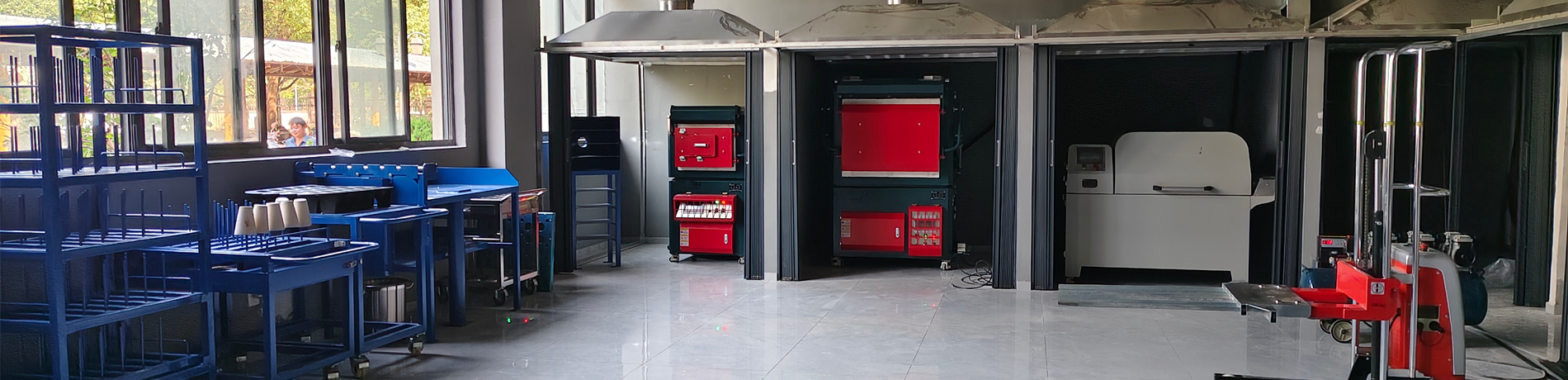
مبدأ العمل وأهمية جهاز اختبار التشوه والانزلاق تحت الأحمال عند درجات الحرارة العالية
جهاز اختبار التحميل عند درجات الحرارة العالية والانبعاج هو جهاز أساسي لتحديد الخصائص الميكانيكية للمواد عند درجات الحرارة المرتفعة؛ ويُستخدم على نطاق واسع في الأبحاث ومراقبة الجودة الخاصة بالمواد الحرارية، والمواد المعدنية، والخزف، والمواد المركبة. ويمكن لهذا الجهاز محاكاة التأثيرات المشتركة لدرجات الحرارة العالية والأحمال الميكانيكية التي تتعرّض لها المواد في بيئات التشغيل الفعلية. كما يرصد بدقةٍ المعاملات الأساسية مثل درجة حرارة الانبعاج تحت التحميل، ومعدل الانبعاج، والمتانة على المدى الطويل. وتؤثر هذه المعاملات تأثيراً مباشراً في سلامة التصميم وهامش الأمان والعمر الافتراضي لمعدات التشغيل عند درجات الحرارة العالية، وتشكّل أساساً تجريبياً لا غنى عنه لاختيار المواد، وتصميم الهياكل، والتنبؤ بالعمر الافتراضي. ولذلك فإن الفهم الشامل لمبادئ عمل جهاز اختبار التحميل عند درجات الحرارة العالية والانبعاج، والإدراك الواضح لأهميته التقنية، أمرٌ بالغ الأهمية لإجراء الاختبارات بشكل صحيح واستخدام البيانات الناتجة منها بطريقة علمية.
مبدأ عمل جهاز اختبار التشوه والانسياب تحت الأحمال عند درجات الحرارة العالية
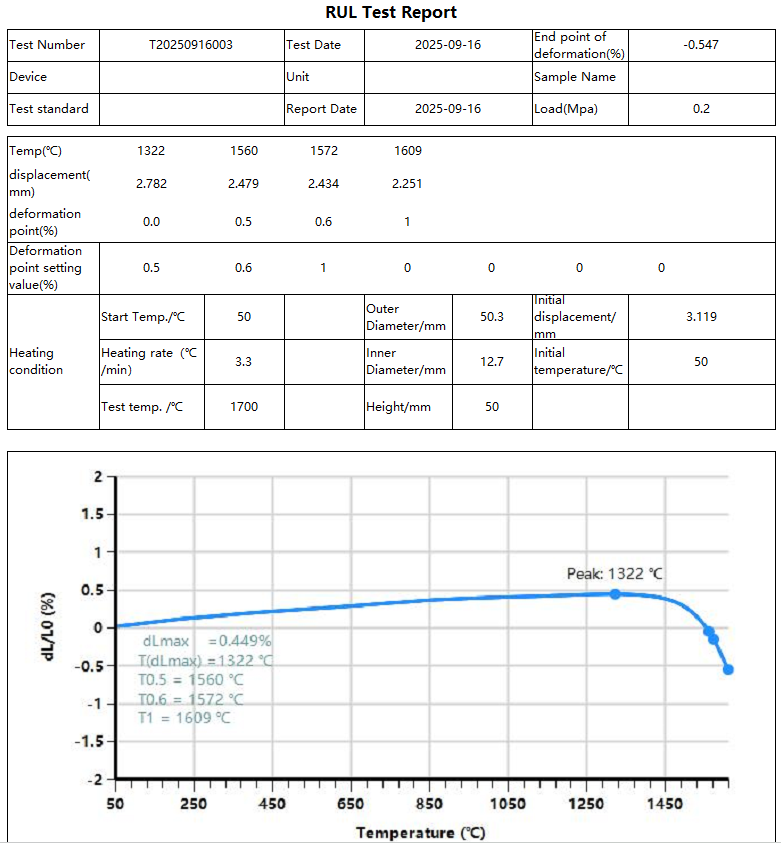
مبدأ عمل الجهاز
-
**نظام التحكم في درجة الحرارة:** يستخدم جهاز اختبار التحميل عند درجات الحرارة العالية والانبعاج والزحف إما طريقة التسخين بالمقاومة أو طريقة التسخين بقضبان كاربيد السيليكون لرفع درجة حرارة العينة إلى الدرجة المستهدفة. وعادةً ما يكون فرن التسخين عبارة عن فرن أنبوبي عمودي أو أفقي، ويتميز بمنطقة ذات درجة حرارة متجانسة داخل حجرة الفرن، وبطول كافٍ لتلبية متطلبات العينة. ويتم التحكم في درجة الحرارة باستخدام تنظيم PID ومراقبة متعددة النقاط بواسطة أزواج حرارية، مما يحقق دقة تحكم في درجة الحرارة تبلغ ±١°مئوية. كما يتيح نظام التسخين المُبرمَج رفع درجة الحرارة إما بشكل خطي أو على مراحل؛ وتُضبط سرعة التسخين وفقاً للمعايير الاختبارية ذات الصلة، وغالباً ما تتراوح بين ٢ و١٠ درجات مئوية في الدقيقة. وتحسَّن التجانسية الحرارية داخل المنطقة ذات الحرارة العالية من خلال تحسين هيكل حجرة الفرن واستخدام كتل معادلة لدرجة الحرارة، مما يضمن تسخين العينة بشكل متجانس.
٢. **نظام التحميل:** يُطبِّق نظام التحميل إما أحمالًا ميكانيكية ثابتة أو متغيرة على العينة. وتستخدم أنظمة التحميل الهيدروليكية صمامات تحكم دقيقة (سيرفو) للتحكم بدقة في ضغط الزيت، مما يوفِّر أحمالًا مستقرة وقابلة للضبط؛ أما أنظمة التحميل الميكانيكية فتستخدم آليات الرافعة والأوزان أو قضبان الكرات اللولبية لتطبيق الحمل، وتتميَّز بتصميم هيكلي بسيط وموثوق. ويتم قياس الحمل باستخدام مستشعرات قوة عالية الدقة، ومدى قياسها كافٍ لتغطية متطلبات الاختبار، ودقتها لا تقل عن الفئة ٠٫٥. ويتم محاذاة محور التحميل بشكل محوري مع محور العينة لمنع التحميل غير المركزي، الذي قد يولِّد عزوم انحناء إضافية. وفي الحالات التي تؤدي فيها تشوهات العينة عند درجات الحرارة المرتفعة إلى تقلبات في الحمل، يوفِّر النظام تغذية راجعة وتعديلًا فوريَّين للحفاظ على ثبات الحمل.
٣. **نظام قياس التشوه:** قياس التشوه يُعَدُّ عنصرًا حاسمًا في جمع بيانات الزحف. وتستخدم مُقاييس الاستطالة ذات درجة الحرارة العالية قضبانًا من السيراميك أو الكوارتز لنقل الإزاحة، مما يسمح بقياس التشوه داخل طول العينة القياسي بدقة تصل إلى ٠٫١ ميكرومتر. أما أجهزة استشعار الإزاحة الليزرية أو المقاييس البصرية فهي تتيح القياس غير التماسكي، وبالتالي تجنب التداخل الناتج عن التمدد الحراري الذي تُسببه الطرق التماسكية. ويتم جمع بيانات التشوه في الوقت الفعلي، وتقوم الحاسوبية بتسجيل منحنى الزمن مقابل التشوه. وفي اختبارات التحميل المصحوب بالليونة، يقيس النظام التغيرات في ارتفاع العينة لحساب معدل التشوه النسبي.
٤. نظام التحكم في الجو: ووفقًا لمتطلبات الاختبار، يمكن تفريغ غرفة الفرن للوصول إلى فراغٍ أو تزويدها بغاز خامل أو التحكم فيها للحفاظ على جو معين. ويتكون نظام الفراغ من مضخة ميكانيكية ومضخة انتشار، ويستطيع تحقيق مستوى فراغ نهائي قدره 10⁻³ باسكال. أما بالنسبة للأجواء الخاملة، فيُستخدم النيتروجين عالي النقاء أو الأرجون، مع التحكم في معدلات التدفق لمنع أكسدة العينة. وفي الاختبارات الخاصة، يمكن تكوين أجواء مسببة للتآكل أو أجواء مختزلة لدراسة تأثير البيئة على خصائص المادة.
II . وظائف الاختبار الأساسية
١. تحديد درجة حرارة التليّن تحت الحمل: تُعرَّف درجة حرارة التليّن تحت الحمل بأنها درجة الحرارة التي يمرّ عندها مادة مقاومة للحرارة بمقدار معين من التشوه تحت إجهاد ضاغط ثابت أثناء ارتفاع درجة الحرارة؛ وهي تعبّر عن قدرة المادة على تحمل الأحمال عند درجات الحرارة العالية. وخلال الاختبار، يوضع عيّنة قياسية داخل الفرن، ويُطبَّق إجهاد ضاغط محدَّد مسبقًا، ثم تُرفع درجة الحرارة بمعدل ثابت مع تسجيل التغيرات في ارتفاع العيّنة باستمرار. وتشير درجة الحرارة التي يبلغ عندها التشوه ٠٫٥٪ إلى بداية مرحلة التليّن، بينما تشير درجة الحرارة التي يبلغ عندها التشوه ٤٪ إلى نهاية هذه المرحلة. ويُحاكي هذا الاختبار حالة الإجهاد التي تتعرّض لها بطانات الأفران عند درجات الحرارة العالية، ويُعتبر أساسًا حاسمًا لتحديد درجات الحرارة المناسبة للاستخدام التشغيلي. ٢. اختبار أداء الزحف: يُعَرَّف الزحف بأنه الظاهرة التي تنخضع فيها المادة لتشوه بطيء تدريجي مع مرور الزمن تحت ظروف ثابتة من درجة الحرارة والإجهاد. وخلال الاختبار، تُرفع درجة الحرارة بسرعة إلى المستوى المستهدف؛ وبمجرد تحقيق الاستقرار الحراري، يُطبَّق الإجهاد المحدَّد مسبقًا، ويتم تسجيل التغير في التشوه مع مرور الزمن باستمرار. وتنقسم منحنى الزحف عادةً إلى ثلاث مراحل: الزحف الأولي، والزحف الحالة المستقرة، والزحف المتسارع؛ ويُعتبر معدل الزحف في الحالة المستقرة المؤشر الرئيسي لتقييم مقاومة المادة للزحف. وبإجراء الاختبارات عبر مختلف التوليفات من درجات الحرارة والإجهادات، يمكن وضع معادلة زحفيّة تكوينية للتنبؤ بالسلوك التشغيلي طويل الأمد للمادة.
٣. اختبار مقاومة التمزق: تُعرَّف مقاومة التمزق بأنها أقصى إجهاد يمكن أن تتحمله مادة ما عند درجة حرارة محددة ولمدة محددة قبل أن تنكسر. ويتشابه هذا الاختبار مع اختبار الزحف، لكنه يستخدم الانكسار كمعيار لإنهاء الاختبار؛ حيث تسجِّل المنظومة الزمن اللازم للانكسار والمقدار الذي يزداد به الطول بعد الانكسار. وتُستخدَم بيانات مقاومة التمزق الناتجة عن الزحف لتحديد إجهادات التصميم المسموح بها، مما يضمن التشغيل الآمن للمكونات العاملة عند درجات الحرارة المرتفعة. وباستخدام طرق المعاملات الزمنية-الحرارية، يمكن استقراء مقاومة التمزق الناتجة عن الزحف للتنبؤ بسلوك المادة على مدى فترات تشغيل طويلة.
٤. تحديد معاملات التمدد الحراري: مزود هذا الجهاز الاختباري بنظام قياس إزاحة عالي الدقة، ويمكنه رسم منحنى التمدد الحراري للمادة وحساب كلٍّ من معاملي التمدد الحراري الخطي المتوسط واللحظي. وتُعد هذه المعاملات الحرارية للتمدد ضرورية لحساب المفاصل التوسعية في تصميم الأفران، وهي تدبيرٌ أساسيٌّ لمنع حدوث أضرار هيكلية ناجمة عن الإجهادات الحرارية.
ثالثاً: تحليل الأهمية التقنية
١. الركيزة الأساسية لأبحاث وتطوير المواد والتحكم في الجودة: توفر أجهزة اختبار التليّن تحت الأحمال عند درجات الحرارة العالية والانزلاق الحراري (Creep) وسيلة لتقييم أداء المواد المطورة حديثًا؛ إذ تُمكِّن مقارنة خصائص المواد المنتَجة عبر تركيبات مختلفة وتقنيات معالجة متنوعة من تحسين تصاميم المواد بشكل فعّال. وفي مجال التحكم في جودة الإنتاج، يضمن أخذ العيّنات الدورية واختبارها استقرار وأداء المنتج واتساقه عبر دفعات الإنتاج المختلفة. علاوةً على ذلك، تعتمد صياغة معايير المواد ومراجعتها اعتمادًا كبيرًا على بيانات الاختبار التجريبية الواسعة، ما يجعل هذه الأجهزة أساسًا فيزيائيًّا جوهريًّا تُبنى عليه تلك المعايير.
٢. الأساس الذي تقوم عليه تصميمات المعدات العاملة عند درجات الحرارة المرتفعة: إن تصميم المعدات العاملة عند درجات حرارة مرتفعة—مثل الأفران الصناعية والغلايات وتوربينات البخار والمحركات الجوية—يتطلب بيانات دقيقةً عن أداء المواد عند درجات الحرارة المرتفعة. وتعتمد تحديد درجات الحرارة التصميمية وحساب سماكات الجدران والتنبؤ بمدة الخدمة التشغيلية جميعها على بيانات الاختبار باعتبارها المدخل الرئيسي. وقد تؤدي البيانات غير الكافية أو غير الدقيقة إلى تصاميم متحفظة أكثر من اللازم (مما يؤدي إلى هدر في المواد)، أو، على العكس، إلى تصاميم محفوفة بالمخاطر وعرضة للفشل المبكر؛ وبالتالي فإن جهاز الاختبار يوفّر أساساً علمياً لاتخاذ قرارات مستنيرة.
٣. أداة لتحليل الفشل والتحقيق في الحوادث: بعد فشل مكوّن يعمل عند درجات حرارة مرتفعة، تُسهِّل هذه الأداة تحليل أسباب الفشل وتقييم العمر الافتراضي المتبقي من خلال اختبار التغيرات في الخصائص داخل المادة المتبقية. وفي سياق التحقيقات في الحوادث، تسمح هذه الأداة بمحاكاة ظروف التشغيل الفعلية للتحقق مما إذا كانت المادة تتوافق مع المواصفات التصميمية، وللمساعدة في تحديد الجهة المسؤولة. وتشكّل بيانات الاختبار الناتجة دليلاً حاسماً في إجراءات التحكيم الفني والدعاوى القضائية.
٤. الدعم المقدَّم لعملية التوحيد القياسي والاعتراف المتبادل دوليًّا: تفرض المعايير الدولية—مثل معايير منظمة الاختبارات والمواد الأمريكية (ASTM) والمنظمة الدولية للتقييس (ISO) ومؤسسة المعايير الألمانية (DIN)، وكذلك المعايير الوطنية (مثل GB/T)—متطلباتٍ صارمةً على منهجيات الاختبار عند درجات الحرارة العالية؛ وبالتالي، يجب أن تتوافق أجهزة الاختبار تمامًا مع هذه المعايير التنظيمية. وعندما تحصل المختبرات على الاعتماد (مثل الاعتماد الممنوح من خلال اللجنة الوطنية الصينية للاعتماد CNAS)، تكتسب بياناتها الاختبارية اعترافًا متبادلًا دوليًّا، ما يسهِّل تصدير المنتجات وتبادل الخبرات الفنية. علاوةً على ذلك، فإن التطورات في أداء أجهزة الاختبار المصنَّعة محليًّا تُسهم في كسر الاحتكار الذي كانت تتمتع به سابقًا المعدات المستوردة، مما يؤدي إلى خفض التكاليف الإجمالية للاختبارات.
رابعًا. الاتجاهات التنموية والتقدُّم التكنولوجي
١. تحسين دقة الاختبارات وأتمتتها: يمكّن اعتماد أجهزة استشعار عالية الدقة للقوة والإزاحة من قياس التشوهات الطفيفة بدقة تصل إلى النطاق النانوي. وتتيح سير عمل الاختبارات المُؤتمتة بالكامل—التي تتضمّن التعامل الآلي مع العيّنات والتحميل باستخدام الروبوتات—إجراء عمليات اختبار غير مراقبة على مدى فترات زمنية طويلة. علاوةً على ذلك، فإن القدرة على إجراء اختبارات متوازية لعدة عيّنات في آنٍ واحد تحسّن بشكلٍ كبير كفاءة استخدام المعدات وحجم البيانات الناتجة. ٢. القدرات المحاكاة للظروف القصوى: تتيح اختبارات درجات الحرارة المرتفعة—التي تستخدم عناصر تسخين كاربايد السيليكون أو التسخين بالحث الكهربائي—إجراء الاختبارات عند درجات حرارة تتجاوز ٢٠٠٠ درجة مئوية. وتتم محاكاة حالات الإجهاد المعقدة عبر تحميل مركب يجمع بين الشد والضغط والالتواء لإعادة إنتاج ظروف الإجهاد متعدد المحاور. أما الاختبارات ذات المدة الزمنية الفائقة الطول—والتي تشمل اختبارات التحمل التي تمتد لعشرات الآلاف من الساعات—فتمكّن من التنبؤ بسلوك المواد على مدى عمرها التشغيلي الذي قد يصل إلى عدة عقود.
٣. التوصيف الميداني والاقتران متعدد الفيزياء: أثناء عملية الاختبار، تُجرى ملاحظات حيّة باستخدام حيود الأشعة السينية والميكروسكوب الإلكتروني لكشف تطور البنية المجهرية للمادة. وتتضمن اختبارات الاقتران متعدد الفيزياء دمج المجالات الحرارية والميكانيكية والكيميائية والإشعاعية لمحاكاة البيئات القاسية الموجودة في المفاعلات النووية والمركبات الفضائية والتطبيقات المشابهة. ويتم دمج علوم المواد الحاسوبية مع الاختبارات التجريبية للتنبؤ بأداء المادة وتوجيه تصميم التجارب.
٤. النُّهج الذكية والمعتمدة على البيانات: تحليل البيانات بمساعدة الذكاء الاصطناعي يُحدِّد تلقائيًّا المراحل الحرجة لتدهور المواد ويتنبَّأ بالعمر الافتراضي المتبقي لها. وتجمع منصة البيانات الضخمة بيانات الاختبارات من مصادر متعددة لكشف الأنماط الكامنة وتحسين تصميم المواد. كما تُسهِّل تقنية النموذج الرقمي (Digital Twin) التعاون بين بيئات الاختبار الافتراضية والفيزيائية، مما يُسرِّع دورات البحث والتطوير.
باختصار، يعتمد مبدأ عمل أجهزة اختبار التحميل والتشوه عند درجات الحرارة العالية على التشغيل المتناسق لعدة أنظمة فرعية، تشمل التحكم الدقيق في درجة الحرارة، والتحميل الميكانيكي وقياس التشوه، والتحكم في الغلاف الجوي. وتتجلى أهمية هذه الأجهزة على مستويات متعددة: دعم البحث والتطوير في مجال المواد، وضمان سلامة تصميم المعدات، وتيسير تحليل حالات الفشل، والمساهمة في وضع المعايير التقنية. وبفضل نمو الصناعات العاملة عند درجات الحرارة العالية والتقدّم المحرز في علوم المواد، تتزايد باستمرار المتطلبات المفروضة على أداء هذه الأجهزة، ما يدفع التكنولوجيا نحو تحقيق دقة أعلى، وأتمتة أكبر، وقدرة أفضل على العمل في الظروف القصوى، ووظائف ذكية أكثر. ويمثّل إتقان مبادئ الاختبار، وتنفيذ الاختبارات بشكل صحيح، وتطبيق البيانات بطريقة علمية المهارات الأساسية التي يجب أن يمتلكها علماء المواد والمهنيون في مجال الهندسة— وهي ضرورة حاسمة لدفع عجلة تطور تكنولوجيا المواد العاملة عند درجات الحرارة العالية، ولضمان التشغيل الآمن والموثوق للمعدات العاملة عند درجات الحرارة العالية. وفي حال كانت لديكم أي متطلبات أو استفسارات، فلا تترددوا في التواصل مع شركتنا عبر الهاتف أو الرسائل!
المنتجات الموصى بها



الأخبار الساخنة
-
تمتد على عشرة آلاف ميل، وتم التحقق من جودتها | تم تسليم معدات مختبر تحليل الانصهار من شركة JZJ TEST بنجاح إلى عميل روسي
2026-05-26
-
ما دقة التحكم في درجة الحرارة لمُجَرِّب الليّن تحت تأثير الحمولة عند درجات الحرارة العالية؟
2026-05-12
-
الدور الحاسم لمحلِّلات التوصيل الحراري ذات اللوحة المسطحة في البحث والتطوير (R&D) للمواد الجديدة للطاقة
2026-04-30
-
مبدأ العمل وأهمية جهاز اختبار التشوه والانزلاق تحت الأحمال عند درجات الحرارة العالية
2026-04-22
-
ما هي تقنيات تنظيف وتخزين أجهزة اختبار الزحف عند درجات الحرارة العالية؟
2026-04-16
-
فرن تحليل الحريق بالكوبيليشن: المبادئ والتطبيقات
2026-04-09
-
كيفية اختيار جهاز قياس التوصيل الحراري ذي اللوحة المسطحة المناسب: دليل شراء وتوصيات
2026-03-25
-
تقييم دقة نتائج الاختبارات من أفران اختبار مقاومة الحرارة
2026-03-16
-
الصيانة اليومية لأجهزة اختبار مقاومة الانحناء عند درجات الحرارة العالية: أسرار تمديد عمر المعدات
2026-03-07
-
عبور الجبال والبحار، وتنقية الذهب الحقيقي — أفران الاختبار الحراري لشركة نانيانغ جي تسي جي لمعدات الاختبار المحدودة تُصدَّر إلى إفريقيا، مُساهِمةً في التنمية الجديدة لصناعة التعدين.
2026-02-27


