
 EN
EN
 AR
AR
 BG
BG
 FR
FR
 DE
DE
 HI
HI
 IT
IT
 PL
PL
 PT
PT
 RU
RU
 ES
ES
 TL
TL
 IW
IW
 ID
ID
 UK
UK
 VI
VI
 TH
TH
 TR
TR
 FA
FA
 MS
MS
 UR
UR
 BN
BN
 KM
KM
 LO
LO
 PA
PA
 MY
MY
 KK
KK
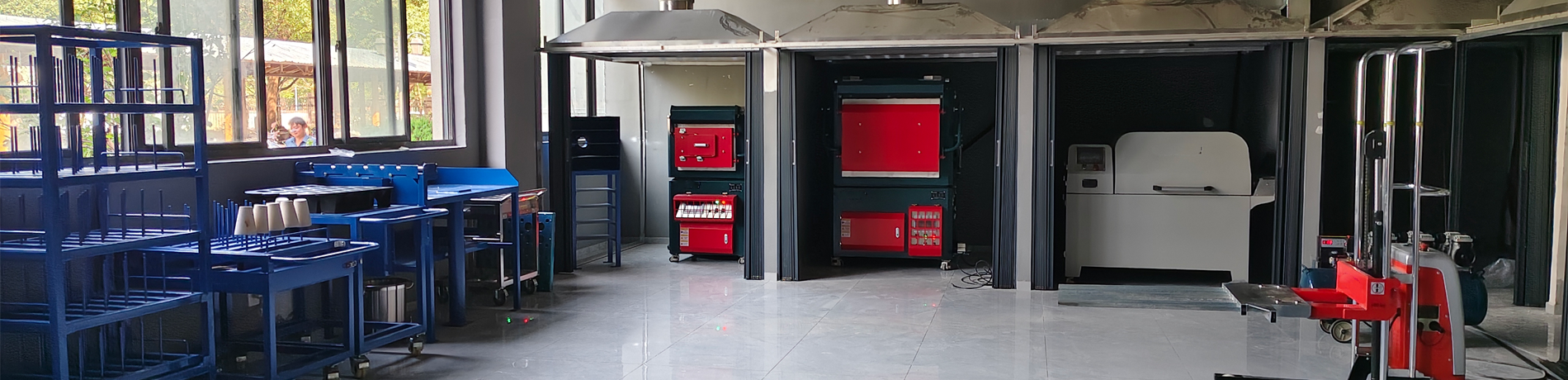
ਉੱਚ-ਤਾਪਮਾਨ ਕ੍ਰੀਪ ਟੈਸਟਰਾਂ ਲਈ ਸਾਫ਼-ਸੁਥਰਾ ਕਰਨ ਅਤੇ ਸਟੋਰੇਜ਼ ਦੀਆਂ ਤਕਨੀਕਾਂ ਕੀ ਹਨ?
ਸਮੱਗਰੀ ਵਿਗਿਆਨ ਅਤੇ ਇੰਜੀਨੀਅਰਿੰਗ ਦੇ ਖੇਤਰ ਵਿੱਚ, ਉੱਚ ਤਾਪਮਾਨ ਕ੍ਰੀਪ ਟੈਸਟਰ ਉੱਚ ਤਾਪਮਾਨ ਅਤੇ ਤਣਾਅ ਦੀਆਂ ਸਥਿਤੀਆਂ ਹੇਠ ਸਮੱਗਰੀਆਂ ਦੇ ਅਕਸ਼ੀ ਵਿਵਹਾਰ ਨੂੰ ਅਧਿਐਨ ਕਰਨ ਲਈ ਇੱਕ ਮੁੱਖ ਉਪਕਰਣ ਹੈ। ਇਹ ਸਮੱਗਰੀ ਦੇ ਪ੍ਰਦਰਸ਼ਨ ਮੁਲਾਂਕਣ, ਜੀਵਨ ਭਵਿੱਖਬਾਣੀ, ਅਤੇ ਇੰਜੀਨੀਅਰਿੰਗ ਅਨੁਪ੍ਰਯੋਗਾਂ ਲਈ ਮਹੱਤਵਪੂਰਨ ਡੇਟਾ ਸਹਾਇਤਾ ਪ੍ਰਦਾਨ ਕਰਦਾ ਹੈ। ਹਾਲਾਂਕਿ, ਟੈਸਟ ਨਤੀਜਿਆਂ ਦੀ ਸਹੀਤਾ ਅਤੇ ਉਪਕਰਣ ਦੀ ਲੰਬੇ ਸਮੇਂ ਤੱਕ ਸਥਿਰਤਾ ਨੂੰ ਯਕੀਨੀ ਬਣਾਉਣ ਲਈ, ਉੱਚ ਤਾਪਮਾਨ ਕ੍ਰੀਪ ਟੈਸਟਰ ਦੀ ਸਹੀ ਸਫਾਈ ਅਤੇ ਭੰਡਾਰਣ ਤਕਨੀਕਾਂ ਨੂੰ ਸਮਝਣਾ ਜ਼ਰੂਰੀ ਹੈ। ਅੱਜ, ਅਸੀਂ ਇਸ ਬਾਰੇ ਤੁਹਾਡੇ ਨਾਲ ਚਰਚਾ ਕਰਾਂਗੇ! ਉੱਚ ਤਾਪਮਾਨ ਕ੍ਰੀਪ ਟੈਸਟਰਾਂ ਲਈ ਸਫਾਈ ਅਤੇ ਭੰਡਾਰਣ ਤਕਨੀਕਾਂ
I. ਸਫਾਈ ਤਕਨੀਕਾਂ
1. ਬਾਹਰੀ ਸਾਫ਼-ਸਫ਼ਾਈ: ਉੱਚ-ਤਾਪਮਾਨ ਕ੍ਰੀਪ ਟੈਸਟਰ ਦਾ ਬਾਹਰੀ ਹਿੱਸਾ ਆਮ ਤੌਰ 'ਤੇ ਧਾਤੂ ਕੇਸਿੰਗ ਅਤੇ ਸ਼ੁੱਧ ਯਾੰਤਰਿਕ ਭਾਗਾਂ ਤੋਂ ਬਣਿਆ ਹੁੰਦਾ ਹੈ। ਬਾਹਰੀ ਹਿੱਸੇ ਦੀ ਸਾਫ਼-ਸਫ਼ਾਈ ਕਰਦੇ ਸਮੇਂ, ਇਸਨੂੰ ਹਲਕੇ ਤੌਰ 'ਤੇ ਪੋਂਛਣ ਲਈ ਇੱਕ ਨਰਮ, ਬਿਨਾਂ ਰੇਸ਼ੇ ਵਾਲੇ ਕਪੜੇ ਦੀ ਵਰਤੋਂ ਕਰੋ, ਅਤੇ ਬਹੁਤ ਗਿੱਲੇ ਕਪੜੇ ਤੋਂ ਬਚੋ ਤਾਂ ਜੋ ਨਮੀ ਉਪਕਰਣ ਵਿੱਚ ਘੁਸਣ ਤੋਂ ਰੋਕਿਆ ਜਾ ਸਕੇ। ਮਜ਼ਬੂਤ ਧੱਬਿਆਂ ਲਈ, ਥੋੜ੍ਹਾ ਜਿਹਾ ਐਲਕੋਹਾਲ ਜਾਂ ਵਿਸ਼ੇਸ਼ ਇਲੈਕਟ੍ਰਾਨਿਕ ਉਪਕਰਣ ਸਾਫ਼-ਸਫ਼ਾਈ ਦ੍ਰਵ ਦੀ ਵਰਤੋਂ ਕੀਤੀ ਜਾ ਸਕਦੀ ਹੈ, ਪਰ ਇਹ ਧਿਆਨ ਰੱਖਣਾ ਜ਼ਰੂਰੀ ਹੈ ਕਿ ਸਾਫ਼-ਸਫ਼ਾਈ ਦ੍ਰਵ ਦਰਜ਼ਾਂ ਜਾਂ ਖੁਲ੍ਹੇ ਹਿੱਸਿਆਂ ਵਿੱਚ ਨਾ ਘੁਸੇ। ਨਿਯਮਤ ਬਾਹਰੀ ਸਾਫ਼-ਸਫ਼ਾਈ ਨਾ ਸਿਰਫ਼ ਉਪਕਰਣ ਦੀ ਦਿੱਖ ਨੂੰ ਬਣਾਏ ਰੱਖਦੀ ਹੈ, ਸਗੋਂ ਧੂੜ ਅਤੇ ਗੰਦਗੀ ਨੂੰ ਯਾੰਤਰਿਕ ਭਾਗਾਂ ਨੂੰ ਖਰਾਬ ਕਰਨ ਅਤੇ ਪਹਿਨਣ ਤੋਂ ਵੀ ਰੋਕਦੀ ਹੈ।
2. ਅੰਦਰੂਨੀ ਸਾਫ਼-ਸਫਾਈ: ਉਪਕਰਣਾਂ ਦੇ ਪ੍ਰਦਰਸ਼ਨ ਨੂੰ ਯਕੀਨੀ ਬਣਾਉਣ ਲਈ ਇੱਕ ਸਾਫ਼ ਅੰਦਰੂਨੀ ਵਾਤਾਵਰਣ ਬਣਾਏ ਰੱਖਣਾ ਇੱਕ ਮੁੱਖ ਪਹਲੂ ਹੈ। ਅੰਦਰੂਨੀ ਸਾਫ਼-ਸਫਾਈ ਕਰਨ ਤੋਂ ਪਹਿਲਾਂ, ਹਮੇਸ਼ਾਂ ਬਿਜਲੀ ਨੂੰ ਡਿਸਕਨੈਕਟ ਕਰੋ ਅਤੇ ਉਪਕਰਣ ਨੂੰ ਪੂਰੀ ਤਰ੍ਹਾਂ ਠੰਡਾ ਹੋਣ ਦਿਓ। ਅੰਦਰੂਨੀ ਹੀਟਿੰਗ ਐਲੀਮੈਂਟਾਂ ਅਤੇ ਭਠੀ ਦੇ ਕੈਮਰੇ ਲਈ, ਇੱਕ ਵਿਸ਼ੇਸ਼ ਸਾਫ਼-ਸਫਾਈ ਐਪਰਨ ਦੀ ਵਰਤੋਂ ਕਰਕੇ ਧੂੜ ਅਤੇ ਅਵਸ਼ੇਸ਼ਾਂ ਨੂੰ ਹਲਕੇ ਨਾਲ ਝਾੜੋ। ਜੇਕਰ ਭਠੀ ਦੇ ਅੰਦਰ ਜ਼ਿਆਦਾ ਮਜ਼ਬੂਤ ਗੰਦਗੀ ਬਾਕੀ ਰਹਿ ਜਾਵੇ, ਤਾਂ ਪੋਛਣ ਲਈ ਥੋੜ੍ਹਾ ਜਿਹਾ ਸਕੌਰਿੰਗ ਪਾਊਡਰ ਵਰਤਿਆ ਜਾ ਸਕਦਾ ਹੈ, ਪਰ ਇਸ ਤੋਂ ਬਾਅਦ ਸਾਰੇ ਸਾਫ਼-ਸਫਾਈ ਏਜੈਂਟ ਦੇ ਅਵਸ਼ੇਸ਼ਾਂ ਨੂੰ ਪੂਰੀ ਤਰ੍ਹਾਂ ਹਟਾ ਦੇਣਾ ਜ਼ਰੂਰੀ ਹੈ। ਨਾਜ਼ੁਕ ਸੈਂਸਰਾਂ ਅਤੇ ਇਲੈਕਟ੍ਰਾਨਿਕ ਘਟਕਾਂ ਲਈ, ਉਨ੍ਹਾਂ ਨੂੰ ਹਟਾਉਣ ਲਈ ਕੰਪ੍ਰੈੱਸਡ ਏਅਰ ਦੀ ਵਰਤੋਂ ਕਰੋ, ਪਰ ਇਨ੍ਹਾਂ ਸੰਵੇਦਨਸ਼ੀਲ ਹਿੱਸਿਆਂ ਨੂੰ ਨੁਕਸਾਨ ਪਹੁੰਚਾਉਣ ਤੋਂ ਬਚਣ ਲਈ ਸਿੱਧੇ ਸੰਪਰਕ ਤੋਂ ਪਰਹੇਜ਼ ਕਰੋ। ਨਿਯਮਤ ਅੰਦਰੂਨੀ ਸਾਫ਼-ਸਫਾਈ ਉਪਕਰਣ ਦੀ ਉਮਰ ਨੂੰ ਪ੍ਰਭਾਵੀ ਢੰਗ ਨਾਲ ਵਧਾ ਸਕਦੀ ਹੈ ਅਤੇ ਟੈਸਟ ਡੇਟਾ ਦੀ ਭਰੋਸੇਯੋਗਤਾ ਨੂੰ ਯਕੀਨੀ ਬਣਾ ਸਕਦੀ ਹੈ।
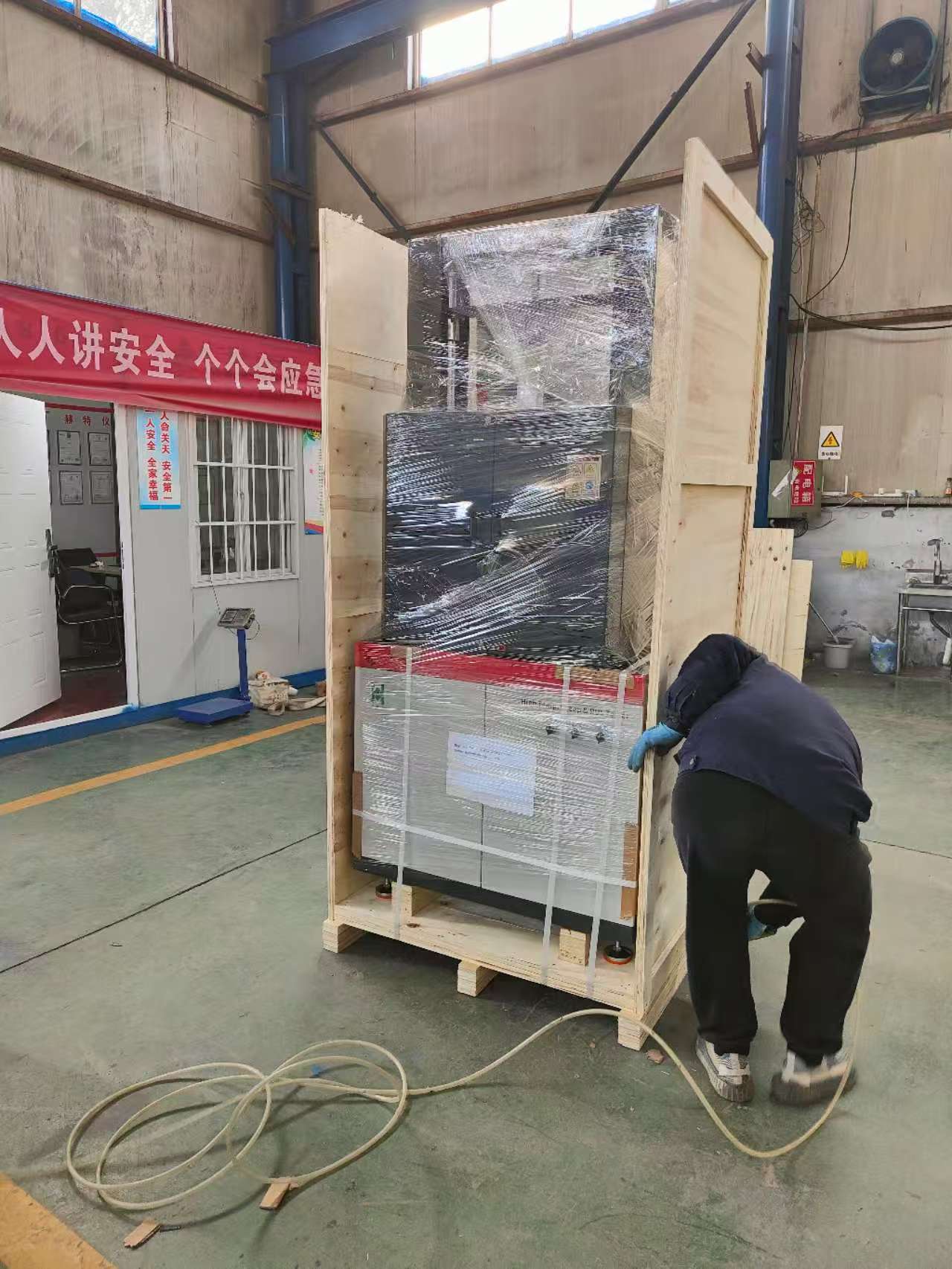
II. ਸਟੋਰੇਜ ਟਿਪਸ
1. ਵਾਤਾਵਰਣ ਦੀਆਂ ਸਥਿਤੀਆਂ: ਉੱਚ-ਤਾਪਮਾਨ ਕ੍ਰੀਪ ਟੈਸਟਰ ਦੇ ਭੰਡਾਰਣ ਵਾਤਾਵਰਣ ਦਾ ਇਸਦੇ ਪ੍ਰਦਰਸ਼ਨ 'ਤੇ ਮਹੱਤਵਪੂਰਨ ਪ੍ਰਭਾਵ ਪੈਂਦਾ ਹੈ। ਉਪਕਰਣ ਨੂੰ ਇੱਕ ਸੁੱਕੇ, ਚੰਗੀ ਤਰ੍ਹਾਂ ਵਾਯੂ-ਪ੍ਰਵੇਸ਼ ਵਾਲੇ ਅਤੇ ਮਾਮੂਲੀ ਤਾਪਮਾਨ ਵਾਲੇ ਵਾਤਾਵਰਣ ਵਿੱਚ ਭੰਡਾਰਿਤ ਕੀਤਾ ਜਾਣਾ ਚਾਹੀਦਾ ਹੈ, ਜਿੱਥੇ ਸਿੱਧੀ ਧੂਪ ਅਤੇ ਨਮੀ ਵਾਲੀਆਂ ਸਥਿਤੀਆਂ ਤੋਂ ਬਚਿਆ ਜਾਵੇ। ਆਦਰਸ਼ ਭੰਡਾਰਣ ਤਾਪਮਾਨ ਸੀਮਾ 15°C ਤੋਂ 30°C ਹੈ, ਅਤੇ ਸਾਪੇਖੀ ਨਮੀ ਨੂੰ 40% ਤੋਂ 60% ਦੇ ਵਿੱਚ ਨਿਯੰਤ੍ਰਿਤ ਕੀਤਾ ਜਾਣਾ ਚਾਹੀਦਾ ਹੈ। ਅਤਿਅਧਿਕ ਤਾਪਮਾਨ ਦੇ ਕਾਰਨ ਅੰਦਰੂਨੀ ਇਲੈਕਟ੍ਰਾਨਿਕ ਘਟਕਾਂ ਦੀ ਉਮਰ ਘਟ ਸਕਦੀ ਹੈ, ਜਦੋਂ ਕਿ ਅਤਿਅਧਿਕ ਨਮੀ ਨਾਲ ਜਲਣ ਅਤੇ ਛੋਟੇ ਸਰਕਟ ਦੀ ਸੰਭਾਵਨਾ ਵਧ ਜਾਂਦੀ ਹੈ। ਜੇਕਰ ਉਪਕਰਣ ਨੂੰ ਲੰਬੇ ਸਮੇਂ ਤੱਕ ਭੰਡਾਰਿਤ ਕਰਨਾ ਹੋਵੇ, ਤਾਂ ਸੁੱਕੇ ਵਾਤਾਵਰਣ ਨੂੰ ਬਣਾਏ ਰੱਖਣ ਲਈ ਭੰਡਾਰਣ ਸਥਾਨ 'ਤੇ ਇੱਕ ਸੁੱਕਾ ਕਰਨ ਵਾਲਾ ਪਦਾਰਥ (ਡੈਸੀਕੈਂਟ) ਰੱਖਣ ਦੀ ਸਿਫਾਰਸ਼ ਕੀਤੀ ਜਾਂਦੀ ਹੈ।
2. ਧੂਲ ਨੂੰ ਨਿਯੰਤਰਿਤ ਕਰਨ ਦੇ ਉਪਾਅ: ਧੂਲ ਉਪਕਰਣਾਂ ਦੇ ਪ੍ਰਦਰਸ਼ਨ ਨੂੰ ਪ੍ਰਭਾਵਿਤ ਕਰਨ ਵਾਲਾ ਇੱਕ ਮਹੱਤਵਪੂਰਨ ਕਾਰਕ ਹੈ। ਭੰਡਾਰਣ ਦੌਰਾਨ ਪ੍ਰਭਾਵੀ ਧੂਲ ਨਿਯੰਤਰਣ ਉਪਾਅ ਲਾਗੂ ਕੀਤੇ ਜਾਣੇ ਚਾਹੀਦੇ ਹਨ। ਉਪਕਰਣ ਉੱਤੇ ਧੂਲ ਕਵਰ ਲਗਾਇਆ ਜਾ ਸਕਦਾ ਹੈ, ਜਿਸ ਨਾਲ ਯਕੀਨੀ ਬਣਾਇਆ ਜਾ ਸਕਦਾ ਹੈ ਕਿ ਉਪਕਰਣ ਨੂੰ ਦਬਾਇਆ ਜਾਣ ਜਾਂ ਨੁਕਸਾਨ ਪਹੁੰਚਾਇਆ ਜਾਣ ਨਾਲ ਰੋਕਿਆ ਜਾਵੇ। ਭਟਟੀ ਦੇ ਖੁਲ੍ਹੇ ਸਥਾਨਾਂ ਅਤੇ ਵੈਂਟਾਂ ਵਰਗੇ ਖੁਲ੍ਹੇ ਸਥਾਨਾਂ ਲਈ, ਧੂਲ ਪਲੱਗ ਦੀ ਵਰਤੋਂ ਸੀਲਿੰਗ ਲਈ ਕੀਤੀ ਜਾ ਸਕਦੀ ਹੈ, ਪਰ ਇਹਨਾਂ ਨੂੰ ਵਰਤੋਂ ਤੋਂ ਪਹਿਲਾਂ ਆਸਾਨੀ ਨਾਲ ਹਟਾਇਆ ਜਾ ਸਕਣਾ ਚਾਹੀਦਾ ਹੈ। ਧੂਲ ਨਿਯੰਤਰਣ ਉਪਾਅਆਂ ਦੀ ਪ੍ਰਭਾਵਸ਼ੀਲਤਾ ਨੂੰ ਨਿਯਮਤ ਰੂਪ ਵਿੱਚ ਜਾਂਚਿਆ ਜਾਣਾ ਚਾਹੀਦਾ ਹੈ ਅਤੇ ਜਮ੍ਹਾਂ ਹੋਈ ਧੂਲ ਨੂੰ ਤੁਰੰਤ ਹਟਾਇਆ ਜਾਣਾ ਚਾਹੀਦਾ ਹੈ ਤਾਂ ਜੋ ਉਪਕਰਣਾਂ ਨੂੰ ਧੂਲ ਦੁਆਰਾ ਹੋਣ ਵਾਲੇ ਨੁਕਸਾਨ ਨੂੰ ਪ੍ਰਭਾਵੀ ਢੰਗ ਨਾਲ ਘਟਾਇਆ ਜਾ ਸਕੇ।
3. ਨਿਯਮਤ ਨਿਰੀਖਣ ਅਤੇ ਰੱਖ-ਰਾਖੀ: ਜਦੋਂ ਉਪਕਰਣ ਭੰਡਾਰਣ ਵਿੱਚ ਹੁੰਦਾ ਹੈ, ਤਾਂ ਵੀ ਨਿਯਮਤ ਨਿਰੀਖਣ ਅਤੇ ਰੱਖ-ਰਾਖੀ ਜ਼ਰੂਰੀ ਹੁੰਦੀ ਹੈ। ਹਰ ਤਿੰਨ ਮਹੀਨਿਆਂ ਬਾਅਦ ਇੱਕ ਸਧਾਰਨ ਨਿਰੀਖਣ ਦੀ ਸਿਫਾਰਸ਼ ਕੀਤੀ ਜਾਂਦੀ ਹੈ, ਜਿਸ ਵਿੱਚ ਬਾਹਰੀ ਨੁਕਸਾਨ, ਢਿੱਲੇ ਕੁਨੈਕਸ਼ਨ ਅਤੇ ਧੂੜ ਨਿਯੰਤਰਣ ਉਪਾਵਾਂ ਦੀ ਪ੍ਰਭਾਵਸ਼ੀਲਤਾ ਦੀ ਜਾਂਚ ਸ਼ਾਮਲ ਹੁੰਦੀ ਹੈ। ਕੋਈ ਵੀ ਅਸਾਮਾਨਿਆਤ ਤੁਰੰਤ ਠੀਕ ਕੀਤੀ ਜਾਣੀ ਚਾਹੀਦੀ ਹੈ। ਇਸ ਤੋਂ ਇਲਾਵਾ, ਸੀਲਾਂ ਅਤੇ ਫਿਲਟਰ ਵਰਗੇ ਆਸਾਨੀ ਨਾਲ ਘਿਸਣ ਵਾਲੇ ਘਟਕਾਂ ਨੂੰ ਉਪਯੋਗ ਅਤੇ ਭੰਡਾਰਣ ਦੇ ਸਮੇਂ ਦੇ ਆਧਾਰ 'ਤੇ ਨਿਯਮਤ ਰੂਪ ਵਿੱਚ ਬਦਲਿਆ ਜਾਣਾ ਚਾਹੀਦਾ ਹੈ ਤਾਂ ਜੋ ਉਪਕਰਣ ਨੂੰ ਮੁੜ ਵਰਤੋਂ ਲਈ ਲਿਆਉਣ 'ਤੇ ਇਸਦਾ ਸਹੀ ਕੰਮ ਕਰਨਾ ਯਕੀਨੀ ਬਣਾਇਆ ਜਾ ਸਕੇ। ਨਤੀਜੇ ਵਜੋਂ, ਉੱਚ ਤਾਪਮਾਨ ਕ੍ਰੀਪ ਟੈਸਟਿੰਗ ਉਪਕਰਣਾਂ ਲਈ ਸਾਫ਼-ਸੁਥਰਾ ਕਰਨ ਅਤੇ ਭੰਡਾਰਣ ਦੀਆਂ ਤਕਨੀਕਾਂ ਨੂੰ ਮਾਹਿਰ ਬਣਾਉਣਾ ਨਾ ਸਿਰਫ਼ ਉਪਕਰਣ ਦੀ ਉਮਰ ਨੂੰ ਵਧਾ ਸਕਦਾ ਹੈ, ਸਗੋਂ ਟੈਸਟ ਦੇ ਨਤੀਜਿਆਂ ਦੀ ਸਹੀਤਾ ਅਤੇ ਭਰੋਸੇਯੋਗਤਾ ਨੂੰ ਵੀ ਯਕੀਨੀ ਬਣਾ ਸਕਦਾ ਹੈ। ਉਚਿਤ ਸਾਫ਼-ਸੁਥਰਾ ਕਰਨ ਅਤੇ ਭੰਡਾਰਣ ਦੇ ਉਪਾਵਾਂ ਨਾਲ ਉਪਕਰਣ ਦੀਆਂ ਖਰਾਬੀਆਂ ਦੀ ਦਰ ਨੂੰ ਪ੍ਰਭਾਵੀ ਢੰਗ ਨਾਲ ਘਟਾਇਆ ਜਾ ਸਕਦਾ ਹੈ, ਕੰਮ ਦੀ ਕਾਰਜਕੁਸ਼ਲਤਾ ਨੂੰ ਵਧਾਇਆ ਜਾ ਸਕਦਾ ਹੈ ਅਤੇ ਸਮੱਗਰੀ ਵਿਗਿਆਨ ਦੇ ਖੋਜ ਅਤੇ ਇੰਜੀਨੀਅਰਿੰਗ ਅਨੁਪ੍ਰਯੋਗਾਂ ਲਈ ਮਜ਼ਬੂਤ ਸਹਾਰਾ ਪ੍ਰਦਾਨ ਕੀਤਾ ਜਾ ਸਕਦਾ ਹੈ। ਜੇਕਰ ਲੋੜ ਹੋਵੇ, ਤਾਂ ਕਿਰਪਾ ਕਰਕੇ ਸਾਡੇ ਨਾਲ ਫੋਨ 'ਤੇ ਸੰਪਰਕ ਕਰੋ ਜਾਂ ਸੁਝਾਅ ਛੱਡੋ!
ਸੁਝਾਏ ਗਏ ਉਤਪਾਦ





गरम समाचार
-
ਕਾਂਟੀਨੈਂਟਾਂ ਰਾਹੀਂ, ਸ਼ੁੱਧਤਾ ਦੀ ਇੱਕ ਸਾਂਝੀ ਖੋਜ | ਜ਼ਿੰਬਾਬਵੇ ਦੇ ਜ਼ਿਐਮਐੱਫ ਗਾਹਕ ਨੇ ਕੰਟੇਨਰਾਈਜ਼ਡ ਸੈਂਪਲ ਤਿਆਰੀ + ਫਾਇਰ ਐਸੇ ਅਤੇ ਵਿਸ਼ਲੇਸ਼ਣ ਸਿਸਟਮ ਦੀ ਜਾਂਚ ਲਈ ਜੇਜ਼ੇਜੇ ਟੈਸਟ ਦਾ ਦੌਰਾ ਕੀਤਾ
2026-09-30
-
ਇਥੋਪੀਆ ਅੱਗ ਦੀ ਪ੍ਰਯੋਗਿਕ ਵਿਧੀ ਅਜ਼ਮਾਇਸ਼ 4: ਨਮੂਨਾ ਫਿਊਜ਼ਨ, ਕਿਊਪੇਲੇਸ਼ਨ, ਅਤੇ ਔਜ਼ਾਰ ਸੈੱਟ—ਕੀਮਿਆਈ ਤੌਰ 'ਤੇ ਮੁੱਲਵਾਨ ਧਾਤਾਂ ਦੇ ਸਹੀ ਸੰਘਣੇਪਣ ਅਤੇ ਉਨ੍ਹਾਂ ਦੇ "ਅੱਗ ਰਾਹੀਂ ਪੁਨਰਜਨਮ" ਨੂੰ ਦੇਖਣਾ।
2026-08-31
-
ਲੋਡ ਅਤੇ ਕ੍ਰੀਪ ਟੈਸਟਰ ਅਧੀਨ ਰੈਫ੍ਰੈਕਟਰੀਨੈੱਸ ਦੀ ਰੋਜ਼ਾਨਾ ਮੇਂਟੇਨੈਂਸ ਅਤੇ ਦੇਖਭਾਲ
2026-08-27
-
ਲੈਬ ਦੀ ਕਾਰਜਕੁਸ਼ਲਤਾ ਨੂੰ ਬਦਲ ਰਿਹਾ ਹੈ: ਐੱਚਐੱਨਜੇਸੀ-ਟੀ੪ਏ ਕਿਵੇਂ ਐਕਸਆਰਐੱਫ ਸੈਂਪਲ ਤਿਆਰੀ ਨੂੰ ਮੁੜ ਪਰਿਭਾਸ਼ਿਤ ਕਰਦਾ ਹੈ
2026-08-10
-
ਉੱਚ-ਤਾਪਮਾਨ ਦੀ ਧੀਮੀ ਵਿਕ੍ਰਿਤੀ ਟੈਸਟਰ ਦੀ ਸੇਵਾ ਜੀਵਨ ਨੂੰ ਕਿਵੇਂ ਵਧਾਇਆ ਜਾ ਸਕਦਾ ਹੈ? ਸੇਵਾ ਜੀਵਨ ਨੂੰ ਪ੍ਰਭਾਵਿਤ ਕਰਨ ਵਾਲੇ ਕਾਰਕ।
2026-07-21
-
ਤੁਸੀਂ ਲੋਡ ਅਧੀਨ ਨਰਮ ਹੋਣ ਲਈ ਸਹੀ ਉੱਚ-ਤਾਪਮਾਨ ਕ੍ਰੀਪ ਟੈਸਟਰ ਕਿਵੇਂ ਚੁਣਦੇ ਹੋ?
2026-07-09
-
ਇੱਕ ਸ਼ਕਤੀਸ਼ਾਲੀ ਸਾਂਝੇਦਾਰੀ: ਐਰੀਟ੍ਰੀਆ ਗੋਲਡ ਮਾਈਨਿੰਗ ਕੰਪਨੀ ਨੇ ਉੱਨਤ JZJ TEST ਫਾਇਰ ਐਸੇ ਉਪਕਰਣਾਂ ਨੂੰ ਅਪਣਾਇਆ, ਜੋ ਸੋਨੇ ਦੀ ਸ਼ੁੱਧੀਕਰਨ ਅਤੇ ਪਰੀਖਣ ਵਿੱਚ ਨਵੇਂ ਮਿਆਰਾਂ ਨੂੰ ਅੱਗੇ ਵਧਾ ਰਹੀ ਹੈ
2026-07-02
-
ਵਿਦੇਸ਼ੀ ਟੈਸਟਿੰਗ ਸਮਰੱਥਾਵਾਂ ਨੂੰ ਅਪਗ੍ਰੇਡ ਕੀਤਾ ਗਿਆ: ਚੀਨ ਦੀ 15MCC ਦੀ ਇੰਡੋਨੇਸ਼ੀਆਈ ਸਬਸੀਡੀਅਰੀ ਨੇ ਪੂਰੇ ਪੈਮਾਨੇ 'ਤੇ ਅੱਗ ਦੀ ਵਿਸ਼ਲੇਸ਼ਣ ਉਪਕਰਣ ਪੇਸ਼ ਕੀਤੇ ਹਨ
2026-06-15
-
ਪਾਊਡਰ ਤੋਂ ਡੇਟਾ ਤੱਕ: ਤੱਤ ਵਿਸ਼ਲੇਸ਼ਣ ਲਈ ਫਿਊਜਨ ਨਮੂਨਾ ਵਿਸ਼ਲੇਸ਼ਕ ਅਤੇ ਸਪੈਕਟ੍ਰੋਮੀਟਰ ਦੇ ਪੂਰਨ ਜੋੜੇ ਦੇ ਰਾਜ਼ ਨੂੰ ਉਜਾਗਰ ਕਰਨਾ
2026-06-09
-
ਦਸ ਹਜ਼ਾਰ ਮੀਲ ਤੱਕ ਫੈਲਿਆ ਹੋਇਆ, ਗੁਣਵੱਤਾ ਪ੍ਰਮਾਣਿਤ | JZJ TEST ਅੱਗ ਦੀ ਪ੍ਰਯੋਗਸ਼ਾਲਾ ਦੇ ਉਪਕਰਣਾਂ ਨੂੰ ਰੂਸੀ ਗਾਹਕ ਨੂੰ ਸਫਲਤਾਪੂਰਨ ਪ੍ਰਦਾਨ ਕੀਤਾ ਗਿਆ
2026-05-26


