
 EN
EN
 AR
AR
 BG
BG
 FR
FR
 DE
DE
 HI
HI
 IT
IT
 PL
PL
 PT
PT
 RU
RU
 ES
ES
 TL
TL
 IW
IW
 ID
ID
 UK
UK
 VI
VI
 TH
TH
 TR
TR
 FA
FA
 MS
MS
 UR
UR
 BN
BN
 KM
KM
 LO
LO
 PA
PA
 MY
MY
 KK
KK
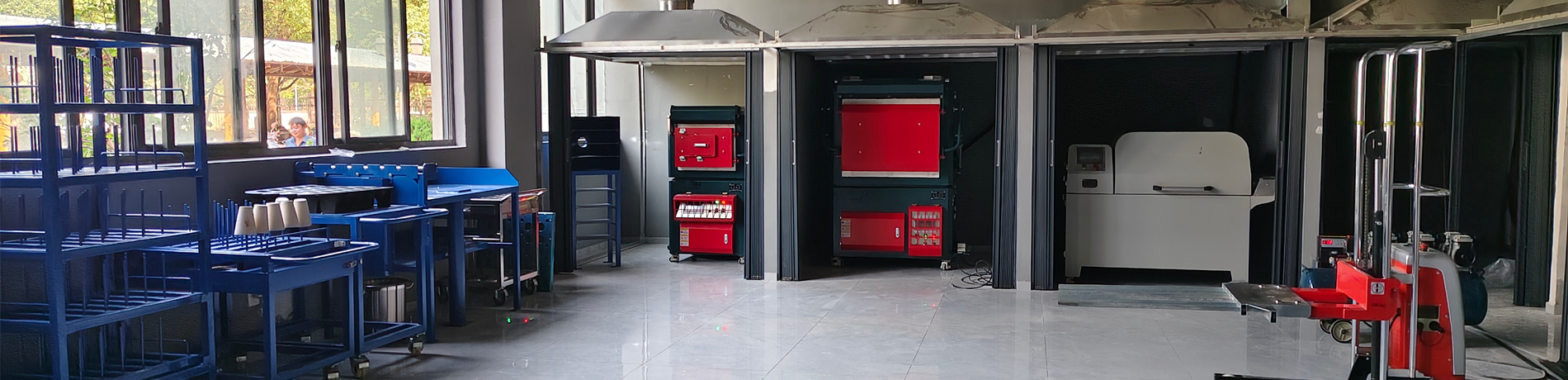
การบำรุงรักษาเครื่องทดสอบความแข็งแรงในการดัดที่อุณหภูมิสูงเป็นประจำ: เคล็ดลับในการยืดอายุการใช้งานของอุปกรณ์
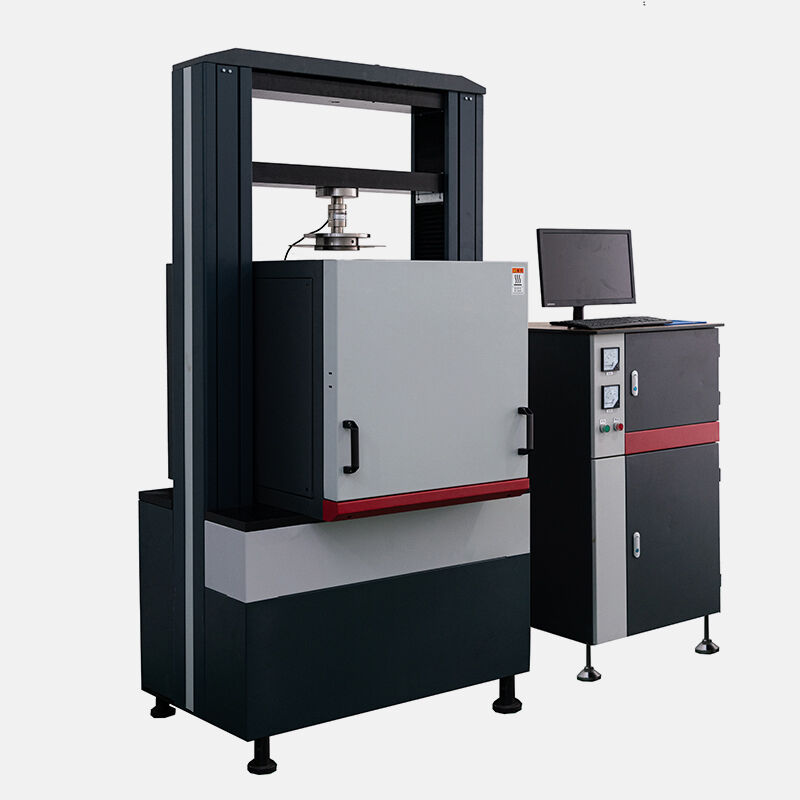
ในสาขาวิทยาศาสตร์วัสดุและการผลิตเชิงอุตสาหกรรม เครื่องทดสอบความแข็งแรงในการดัดที่อุณหภูมิสูงเป็นอุปกรณ์ที่จำเป็นอย่างยิ่ง ซึ่งใช้สำหรับทดสอบความแข็งแรงในการดัดของวัสดุภายใต้สภาวะอุณหภูมิสูง เพื่อให้ได้ข้อมูลสำคัญสำหรับการประเมินสมรรถนะของวัสดุและการควบคุมคุณภาพ อย่างไรก็ตาม เพื่อให้มั่นใจว่าเครื่องทดสอบจะสามารถทำงานได้อย่างเสถียรในระยะยาว และได้ผลลัพธ์จากการทดสอบที่แม่นยำและเชื่อถือได้ การบำรุงรักษาเครื่องทดสอบความแข็งแรงในการดัดที่อุณหภูมิสูงเป็นสิ่งสำคัญยิ่ง
เคล็ดลับในการบำรุงรักษาเครื่องทดสอบความแข็งแรงดัดที่อุณหภูมิสูงเป็นประจำ
1. การทำความสะอาดและการป้องกันฝุ่น
การบำรุงรักษาเครื่องทดสอบความแข็งแรงดัดที่อุณหภูมิสูงในแต่ละวันเริ่มต้นจากการทำความสะอาดและการป้องกันฝุ่น ในระหว่างการใช้งาน เครื่องจะสัมผัสกับฝุ่นของวัสดุต่างๆ คราบน้ำมัน และฝุ่นที่ลอยอยู่ในอากาศ การสะสมของสิ่งสกปรกเหล่านี้มากเกินไปจะไม่เพียงแต่ส่งผลต่อรูปลักษณ์ภายนอกของอุปกรณ์เท่านั้น แต่ยังส่งผลกระทบเชิงลบต่อชิ้นส่วนกลไกภายในและเซ็นเซอร์อีกด้วย ตัวอย่างเช่น ฝุ่นอาจอุดตันทางระบายความร้อน ส่งผลให้การถ่ายเทความร้อนขณะทำงานไม่ดี จึงส่งผลต่อประสิทธิภาพและอายุการใช้งานของเครื่อง ดังนั้น จึงจำเป็นต้องเช็ดพื้นผิวภายนอกของอุปกรณ์เป็นประจำด้วยผ้าสะอาดนุ่ม เพื่อขจัดฝุ่นและเศษสิ่งสกปรกออกจากภายในเครื่องทดสอบ โดยเฉพาะบริเวณชิ้นส่วนสำคัญ เช่น เซ็นเซอร์และองค์ประกอบให้ความร้อน ควรหลีกเลี่ยงการใช้ผ้าที่เปียกชื้นเกินไป เพื่อป้องกันไม่ให้เกิดวงจรลัด (short circuit) หรือความเสียหายอื่นๆ
2การตรวจสอบและปรับเทียบเป็นประจำ
การตรวจสอบและปรับเทียบเป็นประจำคือองค์ประกอบหลักของการบำรุงรักษาเครื่องทดสอบความแข็งแรงต่อการดัดที่อุณหภูมิสูงในแต่ละวัน ตลอดระยะเวลาการใช้งาน ชิ้นส่วนกลไกของเครื่องทดสอบอาจสึกหรอหรือคลอนคลาย ซึ่งอาจส่งผลต่อความแม่นยำของผลการทดสอบ ดังนั้น จึงจำเป็นต้องตรวจสอบชิ้นส่วนกลไกของอุปกรณ์เป็นประจำ เช่น แคลมป์และอุปกรณ์ส่งกำลัง เพื่อให้มั่นใจว่าอยู่ในสภาพที่สามารถทำงานได้อย่างเหมาะสม พร้อมกันนี้ ระบบไฟฟ้าของอุปกรณ์ รวมถึงระบบควบคุมและเซ็นเซอร์ ก็จำเป็นต้องได้รับการตรวจสอบอย่างละเอียดเช่นกัน เพื่อตรวจหาปัญหาต่าง ๆ เช่น สายไฟเสื่อมสภาพหรือการต่อเชื่อมไม่ดี นอกจากนี้ การปรับเทียบเครื่องทดสอบเป็นประจำยังมีความสำคัญอย่างยิ่งต่อการรับประกันความแม่นยำของการทดสอบ เนื่องจากสภาวะอุณหภูมิสูงและการใช้งานบ่อยครั้งอาจทำให้ความแม่นยำในการวัดของอุปกรณ์เปลี่ยนแปลงไป จึงจำเป็นต้องเปรียบเทียบและปรับเทียบกับตัวอย่างมาตรฐานตามคู่มืออุปกรณ์เป็นระยะ ๆ เพื่อให้มั่นใจว่าอุปกรณ์สามารถให้ข้อมูลผลการทดสอบที่แม่นยำ
3. การหล涧และบำรุงรักษา
การหล่อลื่นเป็นองค์ประกอบที่มักถูกมองข้ามแต่มีความสำคัญยิ่งต่อการบำรุงรักษาเครื่องทดสอบความต้านทานต่ออุณหภูมิสูงในแต่ละวัน ส่วนประกอบเชิงกลของอุปกรณ์จะเกิดแรงเสียดทานระหว่างการใช้งาน หากไม่มีการหล่อลื่นอย่างเหมาะสม ความสึกหรอจะเพิ่มขึ้นอย่างรวดเร็ว ส่งผลให้อายุการใช้งานของอุปกรณ์ลดลง ดังนั้น จึงจำเป็นต้องระบุวิธีการหล่อลื่นสำหรับชิ้นส่วนที่ต้องการการหล่อลื่นตามคู่มืออุปกรณ์อย่างชัดเจน การเลือกน้ำมันหล่อลื่นหรือจาระบีที่เหมาะสมจึงมีความสำคัญมาก เนื่องจากชิ้นส่วนต่างๆ อาจมีความต้องการด้านการหล่อลื่นที่แตกต่างกัน ตัวอย่างเช่น ชิ้นส่วนคุณภาพสูงบางชนิดต้องใช้น้ำมันหล่อลื่นที่ทนต่ออุณหภูมิสูง เพื่อให้มั่นใจว่าจะยังคงมีประสิทธิภาพในการหล่อลื่นแม้ในสภาพแวดล้อมที่มีอุณหภูมิสูง นอกจากนี้ ยังต้องใส่ใจต่อปริมาณสารหล่อลื่นที่ใช้ โดยหลีกเลี่ยงทั้งการใช้มากเกินไปและน้อยเกินไป เพราะการใช้สารหล่อลื่นมากเกินไปอาจทำให้เกิดมลพิษภายในอุปกรณ์ ในขณะที่การใช้น้อยเกินไปจะไม่สามารถให้การหล่อลื่นที่มีประสิทธิภาพได้
4. การควบคุมสิ่งแวดล้อม
เครื่องทดสอบความแข็งแรงในการดัดที่อุณหภูมิสูงมีข้อกำหนดเฉพาะเกี่ยวกับสภาพแวดล้อม การมีสภาพแวดล้อมที่เหมาะสมสามารถยืดอายุการใช้งานของอุปกรณ์ได้อย่างมีประสิทธิภาพ ประการแรก อุปกรณ์ควรติดตั้งในสถานที่ที่มีการระบายอากาศดี มีอุณหภูมิและระดับความชื้นที่เหมาะสม อุณหภูมิหรือระดับความชื้นที่สูงหรือต่ำเกินไปอาจส่งผลเสียต่อประสิทธิภาพการทำงานของอุปกรณ์ได้ ตัวอย่างเช่น สภาพแวดล้อมที่มีอุณหภูมิสูงอาจเร่งกระบวนการเสื่อมสภาพของชิ้นส่วนภายใน ขณะที่สภาพแวดล้อมที่มีอุณหภูมิต่ำอาจก่อให้เกิดสนิมหรือข้อบกพร่องทางไฟฟ้า นอกจากนี้ เครื่องทดสอบไม่ควรติดตั้งในบริเวณที่มีสนามแม่เหล็กแรงสูง แรงสั่นสะเทือนรุนแรง หรือก๊าซกัดกร่อน เนื่องจากปัจจัยเหล่านี้อาจรบกวนการปฏิบัติงานตามปกติ หรือทำให้อุปกรณ์เสียหาย
5. บันทึกและการฝึกอบรม
บันทึกการบำรุงรักษาอย่างละเอียดและโปรแกรมการฝึกอบรมบุคลากรยังเป็นส่วนสำคัญของการบำรุงรักษาเครื่องทดสอบความแข็งแรงในการดัดภายใต้อุณหภูมิสูงในแต่ละวัน หลังจากการบำรุงรักษา การตรวจสอบ หรือการสอบเทียบแต่ละครั้ง ควรจัดทำบันทึกอย่างละเอียด ซึ่งรวมถึงเวลาที่ดำเนินการ รายละเอียดของงานที่ทำ ปัญหาที่พบ และวิธีการแก้ไข บันทึกเหล่านี้ไม่เพียงแต่ช่วยให้เราเข้าใจสภาพประวัติศาสตร์ของอุปกรณ์เท่านั้น แต่ยังเป็นข้อมูลอ้างอิงสำหรับงานบำรุงรักษาในอนาคตอีกด้วย ทั้งนี้ ควรมีการจัดการฝึกอบรมบุคลากรที่ปฏิบัติงานและบำรุงรักษาอุปกรณ์อย่างสม่ำเสมอ เพื่อให้มั่นใจว่าบุคลากรมีความคุ้นเคยกับโครงสร้าง หลักการทำงาน และขั้นตอนการปฏิบัติงานของอุปกรณ์ รวมทั้งสามารถปฏิบัติการบำรุงรักษาอย่างถูกต้องและทราบถึงข้อควรระวังที่จำเป็น ซึ่งเป็นสิ่งสำคัญยิ่งต่อการใช้งานและการบำรุงรักษาอุปกรณ์อย่างมีประสิทธิภาพ รวมทั้งป้องกันความเสียหายที่อาจเกิดขึ้นจากวิธีการปฏิบัติงานที่ไม่เหมาะสมหรือการบำรุงรักษาที่ไม่เพียงพอ
ด้วยมาตรการบำรุงรักษาตามปกติที่กล่าวมาข้างต้นสำหรับเครื่องทดสอบความแข็งแรงในการดัดที่อุณหภูมิสูง เราสามารถยืดอายุการใช้งานของเครื่องได้อย่างมีประสิทธิภาพ ทำให้มั่นใจได้ถึงการดำเนินงานอย่างเสถียรในระยะยาว และให้ผลการทดสอบที่แม่นยำและเชื่อถือได้ การบำรุงรักษาตามปกติของเครื่องทดสอบความแข็งแรงในการดัดที่อุณหภูมิสูงเป็นงานที่ต้องดำเนินการอย่างต่อเนื่องและละเอียดรอบคอบ ซึ่งต้องใช้ความพยายามและเวลาอย่างเพียงพอ เท่านั้นจึงจะสามารถนำศักยภาพของอุปกรณ์มาใช้ประโยชน์ได้อย่างเต็มที่ และสนับสนุนการวิจัยทางวิทยาศาสตร์วัสดุและการผลิตเชิงอุตสาหกรรมได้อย่างแข็งแกร่ง หากท่านต้องการข้อมูลเพิ่มเติม กรุณาติดต่อเราได้ทั้งทางโทรศัพท์หรือส่งข้อความมาได้ตลอดเวลา!
ผลิตภัณฑ์ที่แนะนำ



ข่าวเด่น
-
ครอบคลุมระยะทางสิบพันไมล์ คุณภาพได้รับการรับรองแล้ว | อุปกรณ์ห้องปฏิบัติการวิเคราะห์ด้วยการเผา (Fire Assay) ยี่ห้อ JZJ TEST จัดส่งถึงลูกค้าในรัสเซียสำเร็จ
2026-05-26
-
ความแม่นยำในการควบคุมอุณหภูมิของเครื่องทดสอบการเปลี่ยนรูปภายใต้แรงบรรทุกที่อุณหภูมิสูงเป็นอย่างไร
2026-05-12
-
บทบาทสำคัญของเครื่องวิเคราะห์การนำความร้อนแบบแผ่นเรียบในการวิจัยและพัฒนาวัสดุพลังงานใหม่
2026-04-30
-
หลักการทำงานและความสำคัญของเครื่องทดสอบการเปลี่ยนรูปภายใต้แรงบรรทุกที่อุณหภูมิสูงและการไหลแบบครีป
2026-04-22
-
เทคนิคการล้างและการจัดเก็บเครื่องทดสอบการไหลแบบความร้อนสูงคืออะไร?
2026-04-16
-
เตาเผาแบบคิวเพลเลชันสำหรับการวิเคราะห์ด้วยไฟ: หลักการและแอปพลิเคชัน
2026-04-09
-
วิธีเลือกเครื่องวัดการนำความร้อนแบบแผ่นแบนที่เหมาะสม: คู่มือการซื้อและคำแนะนำ
2026-03-25
-
การประเมินความแม่นยำของผลการทดสอบจากเตาทดสอบค่าทนความร้อน
2026-03-16
-
การบำรุงรักษาเครื่องทดสอบความแข็งแรงในการดัดที่อุณหภูมิสูงเป็นประจำ: เคล็ดลับในการยืดอายุการใช้งานของอุปกรณ์
2026-03-07
-
ข้ามภูเขาและทะเล เพื่อคัดกรองทองคำแท้ — เตาเผาทดสอบการเผาไหม้ของบริษัท Nanyang JZJ Testing Equipment Co., Ltd. ถูกส่งออกไปยังทวีปแอฟริกา ช่วยสนับสนุนการพัฒนาอุตสาหกรรมเหมืองแร่ในรูปแบบใหม่
2026-02-27


