
 EN
EN
 AR
AR
 BG
BG
 FR
FR
 DE
DE
 HI
HI
 IT
IT
 PL
PL
 PT
PT
 RU
RU
 ES
ES
 TL
TL
 IW
IW
 ID
ID
 UK
UK
 VI
VI
 TH
TH
 TR
TR
 FA
FA
 MS
MS
 UR
UR
 BN
BN
 KM
KM
 LO
LO
 PA
PA
 MY
MY
 KK
KK
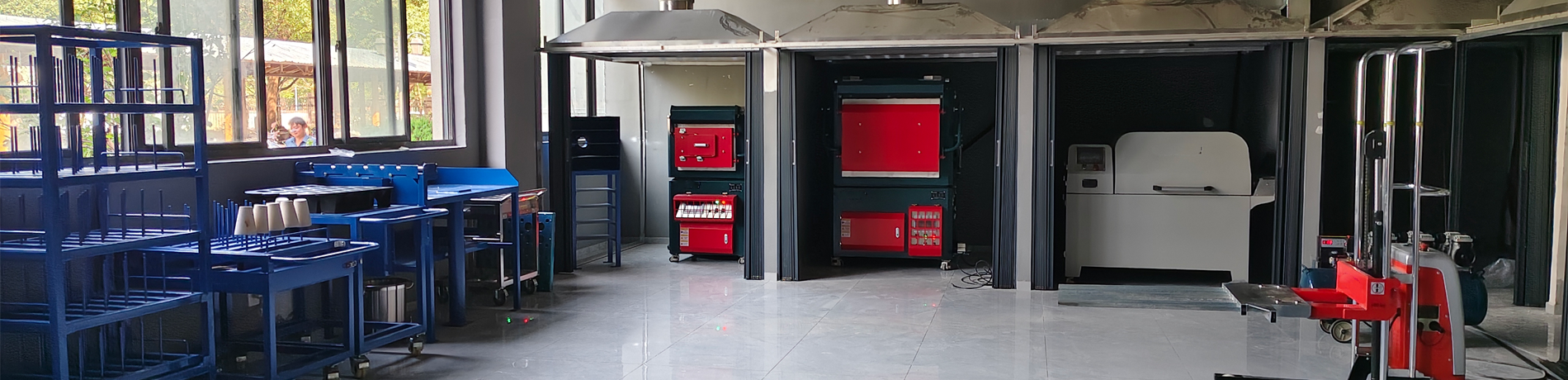
การประเมินความแม่นยำของผลการทดสอบจากเตาทดสอบค่าทนความร้อน
ในสาขาศาสตร์วัสดุและการผลิตอุตสาหกรรม เตาทดสอบค่าความทนความร้อน (refractoriness test furnace) ถือเป็นอุปกรณ์ที่มีความสำคัญยิ่งในการประเมินคุณสมบัติการทนความร้อนของวัสดุ ด้วยการใช้เตาทดสอบค่าความทนความร้อน เราสามารถประเมินความเสถียรและความน่าเชื่อถือของวัสดุภายใต้สภาวะอุณหภูมิสูงได้อย่างแม่นยำ — ซึ่งกระบวนการนี้มีความสำคัญอย่างยิ่งต่อการวิจัยและพัฒนาวัสดุ การควบคุมคุณภาพ และการประยุกต์ใช้งานจริง อย่างไรก็ตาม ระหว่างการทดสอบจริง ผลลัพธ์อาจได้รับผลกระทบจากปัจจัยต่าง ๆ หลายประการ จนอาจนำไปสู่ข้อมูลที่ผิดปกติ ดังนั้น การตีความผลลัพธ์ที่ได้จากเตาทดสอบค่าความทนความร้อนอย่างถูกต้อง รวมทั้งการตรวจสอบความแม่นยำของผลลัพธ์เหล่านั้น จึงถือเป็นขั้นตอนสำคัญยิ่งในการรับประกันความน่าเชื่อถือโดยรวมของกระบวนการทดสอบ วันนี้ เราขอถือโอกาสนี้เพื่อนำเสนอหัวข้อนี้ให้ท่านได้รับทราบ
I. สาเหตุทั่วไปที่ทำให้เกิดผลลัพธ์ผิดปกติจากเตาทดสอบค่าความทนความร้อน
(I) ความผิดปกติของอุปกรณ์: ระบบควบคุมอุณหภูมิ องค์ประกอบให้ความร้อน หรือเซ็นเซอร์ของเตาเผาทดสอบอาจเกิดความผิดปกติ ส่งผลให้การวัดอุณหภูมิไม่แม่นยำ หรือเกิดการเปลี่ยนแปลงอุณหภูมิอย่างรุนแรงเกินไป ตัวอย่างเช่น การเสื่อมสภาพหรือความเสียหายของเทอร์โมคัปเปิลอาจทำให้ค่าการอ่านอุณหภูมิผิดพลาด ซึ่งส่งผลให้ความถูกต้องของผลการทดสอบลดลง
(II) ปัญหาเกี่ยวกับตัวอย่าง: การเตรียม การจัดการ หรือการจัดวางตัวอย่างทดสอบอย่างไม่เหมาะสม อาจก่อให้เกิดผลที่ผิดปกติได้เช่นกัน โดยเฉพาะอย่างยิ่ง ความไม่เรียบของพื้นผิวตัวอย่าง หรือการมีสิ่งเจือปนภายในหรือช่องว่างภายในตัวอย่าง อาจทำให้การกระจายความร้อนไม่สม่ำเสมอ จึงส่งผลกระทบต่อการวัดค่าความทนต่อความร้อน
(III) ปัจจัยด้านสิ่งแวดล้อม: ความผันแปรของอุณหภูมิโดยรอบ ความชื้นสัมพัทธ์ หรือการไหลเวียนของอากาศภายในสภาพแวดล้อมที่ใช้ทดสอบ อาจส่งผลต่อประสิทธิภาพของเตาเผาที่ใช้ในการทดสอบ ตัวอย่างเช่น อุณหภูมิโดยรอบที่สูงเกินไปอาจขัดขวางความสามารถของเตาในการระบายความร้อน ซึ่งจะส่งผลให้ความแม่นยำในการควบคุมอุณหภูมิลดลง
(IV) ข้อผิดพลาดในการปฏิบัติงาน: ประสบการณ์ของผู้ปฏิบัติงานในการทดสอบไม่เพียงพอ หรือข้อผิดพลาดในการปฏิบัติงาน เช่น การตั้งค่าอุณหภูมิผิดพลาด หรือการควบคุมอัตราการให้ความร้อนไม่เหมาะสม ก็อาจก่อให้เกิดผลการทดสอบที่ผิดปกติได้
II. วิธีการประเมินความถูกต้องของผลการทดสอบจากเตาเผาสำหรับการทดสอบค่าทนไฟ
(I) การตรวจสอบความสอดคล้องของข้อมูล: ขั้นตอนแรกคือการตรวจสอบความสอดคล้องของข้อมูลการทดสอบ โดยทั่วไปแล้ว การทดสอบค่าทนไฟ (refractoriness) จำเป็นต้องดำเนินการซ้ำหลายครั้งเพื่อให้มั่นใจในความน่าเชื่อถือของผลลัพธ์ หากผลลัพธ์จากการทดลองซ้ำหลายครั้งมีความแตกต่างกันอย่างมีนัยสำคัญ อาจบ่งชี้ถึงความผิดปกติของอุปกรณ์หรือข้อผิดพลาดในการปฏิบัติงาน ตัวอย่างเช่น การเปรียบเทียบข้อมูลค่าทนไฟจากตัวอย่างที่ผลิตในแต่ละล็อตสามารถใช้ประเมินความเสถียรของผลการทดสอบได้เบื้องต้น
(II) การสอบเทียบและตรวจสอบอุปกรณ์: ควรดำเนินการสอบเทียบและตรวจสอบเตาเผาที่ใช้ในการทดสอบเป็นระยะๆ เพื่อให้มั่นใจว่าระบบควบคุมอุณหภูมิและเครื่องมือวัดของอุปกรณ์มีความแม่นยำ ทั้งนี้ การดำเนินการสอบเทียบด้วยวัสดุอ้างอิงมาตรฐาน และการเปรียบเทียบค่ามาตรฐานกับผลการทดสอบ จะช่วยให้สามารถระบุได้อย่างมีประสิทธิภาพว่าอุปกรณ์ทำงานได้ถูกต้องหรือไม่
(III) การตรวจสอบตัวอย่าง: ตรวจสอบกระบวนการเตรียมและการจัดการตัวอย่างทดสอบอย่างละเอียด เพื่อให้มั่นใจว่าสอดคล้องกับข้อกำหนดเฉพาะของการทดสอบ เช่น ตรวจสอบมิติ รูปร่าง คุณภาพพื้นผิว และโครงสร้างภายในของตัวอย่าง เพื่อตัดความผิดปกติใดๆ ที่อาจเกิดขึ้นกับผลการทดสอบอันเนื่องมาจากปัญหาของตัวอย่างเอง
(IV) การเฝ้าติดตามสภาพแวดล้อม: ตรวจสอบสภาวะอุณหภูมิ ความชื้น และการไหลเวียนของอากาศในบริเวณที่ทำการทดสอบ เพื่อให้มั่นใจว่าการทดสอบดำเนินการภายใต้สภาวะที่มีเสถียรภาพ หากสภาวะแวดล้อมไม่เป็นไปตามข้อกำหนดที่ระบุ ควรดำเนินมาตรการที่เหมาะสมเพื่อปรับปรุง เช่น การติดตั้งเครื่องปรับอากาศหรือระบบระบายอากาศ
(V) การตรวจสอบความสอดคล้องในการปฏิบัติงาน: ยืนยันว่าขั้นตอนการทดสอบสอดคล้องกับขั้นตอนการปฏิบัติงานมาตรฐาน (SOPs) ที่กำหนดไว้ ผ่านการฝึกอบรมและการประเมินสมรรถนะ เพื่อยกระดับทักษะวิชาชีพและวินัยในการปฏิบัติงานของบุคลากร ลดความผิดปกติของผลการทดสอบที่เกิดจากข้อผิดพลาดของมนุษย์
III. การจัดการข้อมูลที่ผิดปกติและมาตรการปรับปรุง
(I) การแก้ไขข้อมูล: ข้อมูลที่ผิดปกติซึ่งเกิดจากความล้มเหลวของอุปกรณ์หรือข้อผิดพลาดในการปฏิบัติงานสามารถแก้ไขได้โดยการปรับค่าพารามิเตอร์ของอุปกรณ์หรือทำการทดสอบซ้ำ ดังนั้น การเปลี่ยนเทอร์โมคัปเปิลที่เสียหายหรือการตั้งค่าใหม่ของอุณหภูมิในการทดสอบจึงเป็นสิ่งจำเป็นเพื่อให้มั่นใจในความถูกต้องของข้อมูลการทดสอบ
(II) การบำรุงรักษาและปรับปรุงอุปกรณ์: การบำรุงรักษาและปรับปรุงเตาทดสอบอย่างสม่ำเสมอเป็นสิ่งจำเป็นเพื่อให้มั่นใจว่าอุปกรณ์จะสามารถทำงานได้อย่างมีเสถียรภาพและต่อเนื่องในระยะยาว ตัวอย่างเช่น การเปลี่ยนองค์ประกอบทำความร้อนที่เสื่อมสภาพ หรือการอัปเกรดระบบควบคุมอุณหภูมิ สามารถยกระดับความแม่นยำของผลการทดสอบได้อย่างมีประสิทธิภาพ
(III) การปรับแต่งตัวอย่าง: การปรับแต่งเทคนิคการเตรียมและการประมวลผลตัวอย่างสำหรับการทดสอบ ช่วยให้มั่นใจว่าคุณภาพของตัวอย่างสอดคล้องกับข้อกำหนดเฉพาะของการทดลอง ตัวอย่างเช่น การใช้วิธีการประมวลผลที่แม่นยำยิ่งขึ้น หรือการลดสิ่งเจือปนภายในตัวอย่าง สามารถเพิ่มความน่าเชื่อถือของผลการทดสอบได้
(IV) การควบคุมสภาพแวดล้อม: การเสริมสร้างการควบคุมสภาพแวดล้อมในการทดสอบ ช่วยให้มั่นใจว่าการทดลองดำเนินการภายใต้สภาวะที่มีเสถียรภาพ ทั้งนี้มาตรการต่าง ๆ เช่น การติดตั้งอุปกรณ์ควบคุมอุณหภูมิและระดับความชื้นคงที่ หรือการปรับปรุงการจัดวางห้องปฏิบัติการ สามารถลดผลกระทบจากปัจจัยด้านสภาพแวดล้อมต่อผลการทดสอบได้
(V) การฝึกอบรมบุคลากร: การยกระดับการฝึกอบรมและการประเมินผลผู้ปฏิบัติงานช่วยพัฒนาทักษะวิชาชีพของพวกเขาและส่งเสริมให้ปฏิบัติตามขั้นตอนการปฏิบัติงานอย่างเคร่งครัด ผ่านการจัดการฝึกอบรมเป็นประจำและการทดลองจำลอง ผู้ปฏิบัติงานจะคุ้นเคยกับวิธีการใช้อุปกรณ์และขั้นตอนการทดสอบอย่างลึกซึ้ง จึงลดโอกาสเกิดข้อผิดพลาดจากมนุษย์ได้
การประเมินความแม่นยำของผลลัพธ์ที่ได้จากการทดสอบความทนต่อความร้อนด้วยเตาเผาเป็นขั้นตอนสำคัญในการรับรองความน่าเชื่อถือของกระบวนการทดสอบ โดยการดำเนินการตรวจสอบความสอดคล้องของข้อมูล การสอบเทียบและตรวจสอบเครื่องมือ การตรวจสอบตัวอย่าง การเฝ้าสังเกตสภาพแวดล้อม และการตรวจสอบความสอดคล้องกับขั้นตอนปฏิบัติงาน จะช่วยให้สามารถระบุความแม่นยำของผลการทดสอบได้อย่างมีประสิทธิภาพ ในกรณีที่พบข้อมูลผิดปกติ ควรดำเนินมาตรการแก้ไขและปรับปรุง เช่น การแก้ไขข้อมูล การบำรุงรักษาและอัปเกรดอุปกรณ์ การปรับปรุงคุณภาพตัวอย่าง การควบคุมสภาพแวดล้อม และการฝึกอบรมบุคลากร เท่านั้นที่จะทำให้มั่นใจได้ว่าผลการทดสอบความทนต่อความร้อนมีความแม่นยำ ซึ่งจะส่งผลให้เราสามารถจัดหาข้อมูลที่เชื่อถือได้เพื่อสนับสนุนการวิจัยและพัฒนาวัสดุ การควบคุมคุณภาพ และการประยุกต์ใช้งานจริง
สินค้าที่แนะนำ





ข่าวร้อนแรง
-
ข้ามทวีป ความมุ่งมั่นร่วมกันในการบรรลุความแม่นยำสูงสุด | ลูกค้าจาก Zimbabwe ZMF เยี่ยมชม JZJ TEST เพื่อตรวจสอบระบบเตรียมตัวอย่างแบบคอนเทนเนอร์ พร้อมการวิเคราะห์ด้วยวิธีไฟแอสเซย์ (Fire Assay) และการวิเคราะห์เชิงปริมาณ
2026-09-30
-
การทดลองวิเคราะห์ด้วยวิธีไฟแอสเซย์ในเอธิโอเปีย ครั้งที่ 4: การหลอมตัวของตัวอย่าง การคัปเปลเลชัน และชุดเครื่องมือ — บรรลุการเข้มข้นที่แม่นยำและสังเกตการณ์ "การเกิดใหม่ผ่านเปลวไฟ" ของโลหะมีค่า
2026-08-31
-
การบำรุงรักษาและดูแลเครื่องทดสอบความทนต่อความร้อนภายใต้แรงกดและการไหลของวัสดุในแต่ละวัน
2026-08-27
-
การปฏิวัติประสิทธิภาพในห้องปฏิบัติการ: วิธีที่ HNJC-T4A กำหนดนิยามใหม่ของการเตรียมตัวอย่างสำหรับ XRF
2026-08-10
-
วิธีการยืดอายุการใช้งานของเครื่องทดสอบการไหลแบบอุณหภูมิสูง ปัจจัยที่มีผลต่ออายุการใช้งาน
2026-07-21
-
คุณเลือกเครื่องทดสอบการไหลร้อนที่เหมาะสมสำหรับการอ่อนตัวภายใต้แรงโหลดได้อย่างไร
2026-07-09
-
ความร่วมมืออันแข็งแกร่ง: บริษัทขุดทองเอริเทรีย นำอุปกรณ์วิเคราะห์ด้วยวิธีไฟร์แอสเซย์ขั้นสูงของ JZJ TEST มาใช้งาน ซึ่งช่วยผลักดันมาตรฐานใหม่ในการถลุงและทดสอบทองคำ
2026-07-02
-
ยกระดับศักยภาพการทดสอบต่างประเทศ: บริษัทย่อยของจีน 15MCC ในอินโดนีเซียเปิดตัวอุปกรณ์วิเคราะห์แบบไฟร์แอสเซย์แบบครบวงจร
2026-06-15
-
จากผงสู่ข้อมูล: เปิดเผยความลับของการจับคู่อย่างลงตัวระหว่างเครื่องวิเคราะห์ตัวอย่างแบบฟิวชันกับสเปกโตรมิเตอร์สำหรับการวิเคราะห์องค์ประกอบ
2026-06-09
-
ครอบคลุมระยะทางสิบพันไมล์ คุณภาพได้รับการรับรองแล้ว | อุปกรณ์ห้องปฏิบัติการวิเคราะห์ด้วยการเผา (Fire Assay) ยี่ห้อ JZJ TEST จัดส่งถึงลูกค้าในรัสเซียสำเร็จ
2026-05-26


