
 EN
EN
 AR
AR
 BG
BG
 FR
FR
 DE
DE
 HI
HI
 IT
IT
 PL
PL
 PT
PT
 RU
RU
 ES
ES
 TL
TL
 IW
IW
 ID
ID
 UK
UK
 VI
VI
 TH
TH
 TR
TR
 FA
FA
 MS
MS
 UR
UR
 BN
BN
 KM
KM
 LO
LO
 PA
PA
 MY
MY
 KK
KK
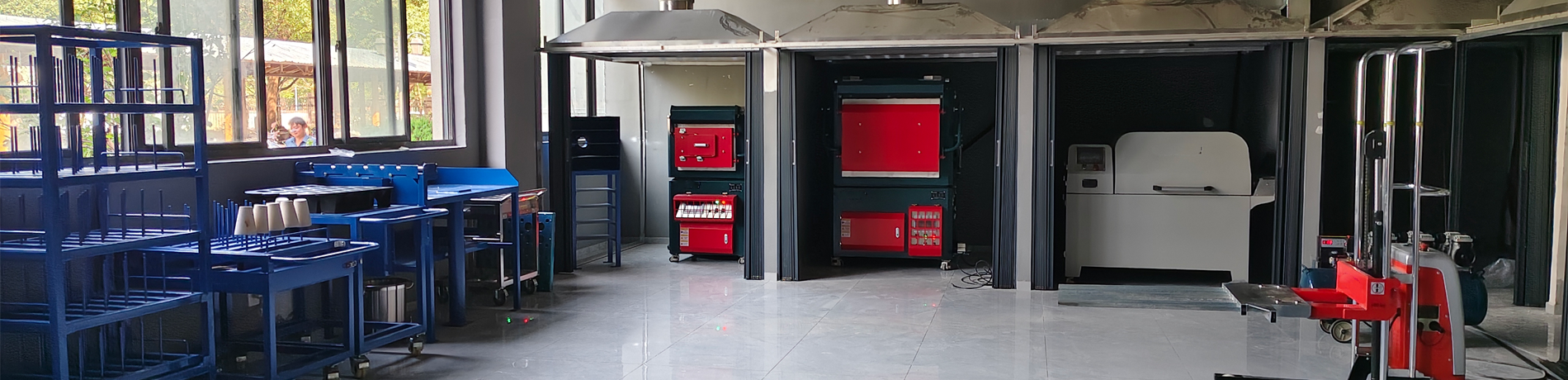
ইথিওপিয়া ফায়ার অ্যাসে পরীক্ষা ৪: নমুনা ফিউশন, কিউপেলেশন এবং টুল সেট—মূল্যবান ধাতুগুলির সঠিক সমৃদ্ধিকরণ অর্জন এবং "অগ্নিতে পুনর্জন্ম" প্রেক্ষণ করা।
মূল্যবান ধাতু বিশ্লেষণের ক্ষেত্রে, ফায়ার অ্যাসে পদ্ধতিটিকে "শ্রেষ্ঠ শ্রেষ্ঠ" বলা হয় এবং সোনা, রৌপ্য ও অন্যান্য মূল্যবান ধাতুর রাসায়নিক বিশ্লেষণের জন্য এটি একটি অত্যন্ত গুরুত্বপূর্ণ পদ্ধতি। এই পদ্ধতির চমৎকার সুবিধা রয়েছে, যার মধ্যে নমুনার প্রতিনিধিত্বমূলকতা, ব্যাপক প্রয়োগযোগ্যতা, উচ্চ সমৃদ্ধিকরণ দক্ষতা এবং নির্ভরযোগ্য, সঠিক ফলাফল অন্তর্ভুক্ত। ২০১৯ সালে, নানইয়াং জেজেজে টেস্ট একটি ইথিওপিয়ান কোম্পানির জন্য একটি টার্নকি ফায়ার অ্যাসে ল্যাবরেটরি প্রকল্পের বিড সফলভাবে জিতেছিল, যা নমুনা মিশ্রণ ও ফিউশন থেকে শুরু করে কিউপেলেশন পর্যন্ত সম্পূর্ণ সমাধান প্রদান করেছিল। ফায়ার অ্যাসে প্রক্রিয়ার কেন্দ্রবিন্দু হিসাবে, "ফিউশন ও কিউপেলেশন" পর্যায়টি সোনা ও রৌপ্য নির্ণয়ের নির্ভুলতা নির্ধারণের সবচেয়ে গুরুত্বপূর্ণ পদক্ষেপ।
আই. ফিউশন: উচ্চ-তাপমাত্রায় গলানো ও মূল্যবান ধাতুর সীসা সংগ্রহ
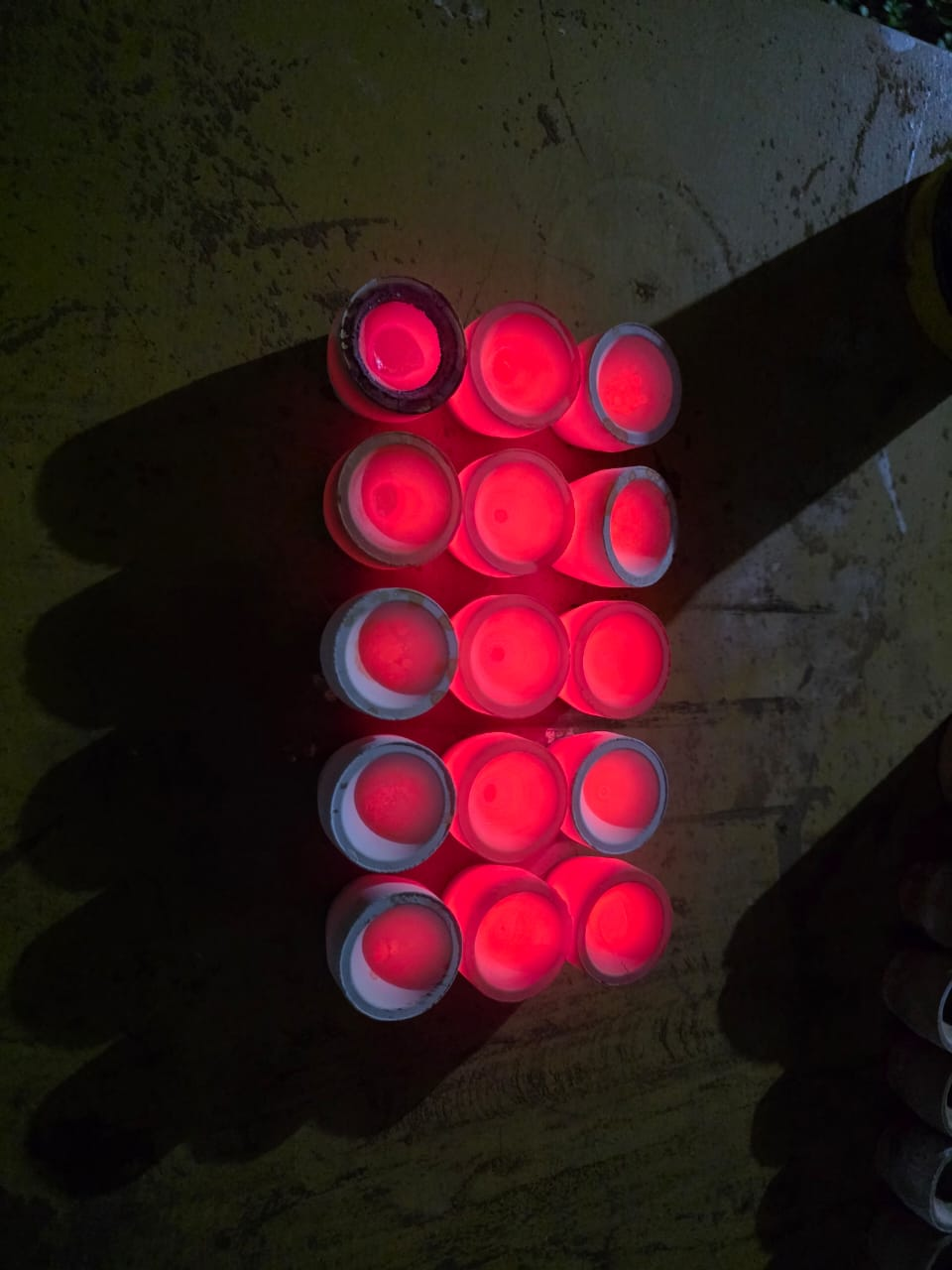
ফিউশন হলো ফায়ার অ্যাসে প্রক্রিয়ায় একটি গুরুত্বপূর্ণ সংযোগস্থল, যা প্রাথমিক প্রস্তুতি ও পরবর্তী পৃথকীকরণ পর্যায়ের মধ্যে সেতুবন্ধন স্থাপন করে। অপারেটররা সমসংখ্যক নমুনা মিশ্রণ—যাতে সোডিয়াম কার্বনেট, বোরাক্স, লেড অক্সাইড ও সিলিকা ইত্যাদি ফ্লাক্স যুক্ত থাকে—ফায়ার অ্যাসে ক্রুসিবলে লোড করে এবং তা উচ্চ-তাপমাত্রার ফিউশন ফার্নেসে স্থাপন করে। উচ্চ তাপে লেড অক্সাইড ধাতব লেডে বিজারিত হয়, যা সোনা ও রৌপ্যের মতো মূল্যবান ধাতুগুলিকে পরিমাণগতভাবে সংগ্রহ ও ঘনীভূত করে; ফলস্বরূপ উৎপন্ন লেড বাটন ক্রুসিবলের তলদেশে জমা হয়, আর অশুদ্ধিগুলি উপরে স্ল্যাগ স্তর গঠন করে। ফিউশন সম্পন্ন হলে, গলিত দ্রবণটিকে একটি কাস্ট-আয়রন মোল্ডে ঢালা হয় ঠান্ডা করার জন্য; পরে লেড বাটনকে স্ল্যাগ থেকে পৃথক করা হয়, যার ফলে মূল্যবান ধাতু সমৃদ্ধ লেড বাটন পাওয়া যায়। ফিউশনের সময় তাপমাত্রা নিয়ন্ত্রণ ও তাপীয় বৃদ্ধির হার অত্যন্ত গুরুত্বপূর্ণ; প্রাথমিক পর্যায়ে তাপমাত্রা ধীরে ধীরে বৃদ্ধি করতে হয়, কারণ দ্রুত লেড জমাট বাঁধলে সংগ্রহ দক্ষতা কমে যায়।
দ্বিতীয় ধাপ: কিউপেলেশন—অক্সিডেটিভ পৃথকীকরণ এবং গোল্ড-সিলভার বিড গঠন
কিউপেলেশন হলো লেড বাটনের মধ্যে সোনা ও রৌপ্যের মতো মূল্যবান ধাতু থেকে সীসা পৃথক করার অত্যন্ত গুরুত্বপূর্ণ ধাপ। অপারেটররা একটি পূর্ব-উত্তপ্ত কিউপেলেশন ফার্নেসে পূর্ব-উত্তপ্ত লেড বাটনটি কিউপেলে স্থাপন করেন এবং উপযুক্ত তাপমাত্রায় এই প্রক্রিয়াটি সম্পন্ন করেন। কিউপেলেশনের সময়, সীসা অক্সিডাইজ হয়ে লেড অক্সাইডে পরিণত হয়; এই অক্সাইডের বৃহৎ অংশ ছিদ্রযুক্ত কিউপেলে শোষিত হয়, আর অল্প পরিমাণ বাষ্পীভূত হয়। যখন সীসা ক্রমাগত অক্সিডাইজ হয়ে অপসারিত হয়, তখন যে মূল্যবান ধাতুগুলো অক্সিডাইজ হয় না, সেগুলো কিউপেলের মধ্যেই অবশিষ্ট থাকে এবং শেষ পর্যন্ত একটি চকচকে গোল্ড-সিলভার বিডে একত্রিত হয়। কিউপেলেশনের সময় তাপমাত্রা নিয়ন্ত্রণ অত্যন্ত গুরুত্বপূর্ণ—অত্যধিক তাপ মূল্যবান ধাতুর ক্ষয় ঘটায়, আর অপর্যাপ্ত তাপ সীসা মিশ্রণের সঠিক কিউপেলেশন বাধা দেয়। যখন কিউপেলের মধ্যে থাকা বিডটি একটি বৈশিষ্ট্যপূর্ণ "ফ্ল্যাশ" বা "উজ্জ্বল হওয়া" ঘটনা প্রদর্শন করে, তখন প্রক্রিয়াটিকে সম্পন্ন বলে ধরা হয়।
তৃতীয় অংশ: ফায়ার অ্যাসে টুল কিট—একটি সম্পূর্ণ, নিরাপদ ও দক্ষ সেট
ফায়ার অ্যাসে পরীক্ষা দক্ষতার সাথে এবং নিরাপদভাবে পরিচালনা করতে বিশেষায়িত সহায়ক যন্ত্রপাতির একটি সম্পূর্ণ সেট প্রয়োজন। একটি মানসম্পন্ন ফায়ার অ্যাসে টুল কিট-এ সাধারণত নিম্নলিখিত শ্রেণিগুলি অন্তর্ভুক্ত থাকে:
হ্যান্ডলিং ও স্থানান্তর: ক্রুসিবল ফর্ক (এক-বা বহু-ছিদ্র), কিউপেল ফর্ক, ক্রুসিবল টংস ইত্যাদি—উচ্চ তাপমাত্রায় ক্রুসিবল ও কিউপেল নিরাপদভাবে ধরে রাখা ও স্থানান্তর করার জন্য নকশা করা;
ঢালাই ও ছাঁচ তৈরি: কাস্ট-আয়রন মোল্ড (যেমন, পাঁচ-ছিদ্র স্টিল মোল্ড), পাউরিং কার্ট ইত্যাদি—গলিত উপাদান ঢালাই করা ও লেড বাটন গঠন করার জন্য ব্যবহৃত;
পরিষ্কার ও রক্ষণাবেক্ষণ: ফার্নেস শোভেল, ব্রাশ, রেক ইত্যাদি—ফার্নেস চেম্বার ও হার্থ প্লেট পরিষ্কার করা ও রক্ষণাবেক্ষণ করার জন্য;
শীতলীকরণ ও সংরক্ষণ: ক্রুসিবল শীতলীকরণ র্যাক, কিউপেল শীতলীকরণ র্যাক ইত্যাদি—উচ্চ তাপমাত্রায় থাকা পাত্রগুলির নিরাপদ শীতলীকরণ ও সংরক্ষণের জন্য;
অন্যান্য সহায়ক যন্ত্রপাতি: অ্যাসে অ্যানভিল ও হ্যামার, লেড বাটন ট্রে, পার্টিং বাস্কেট ইত্যাদি।
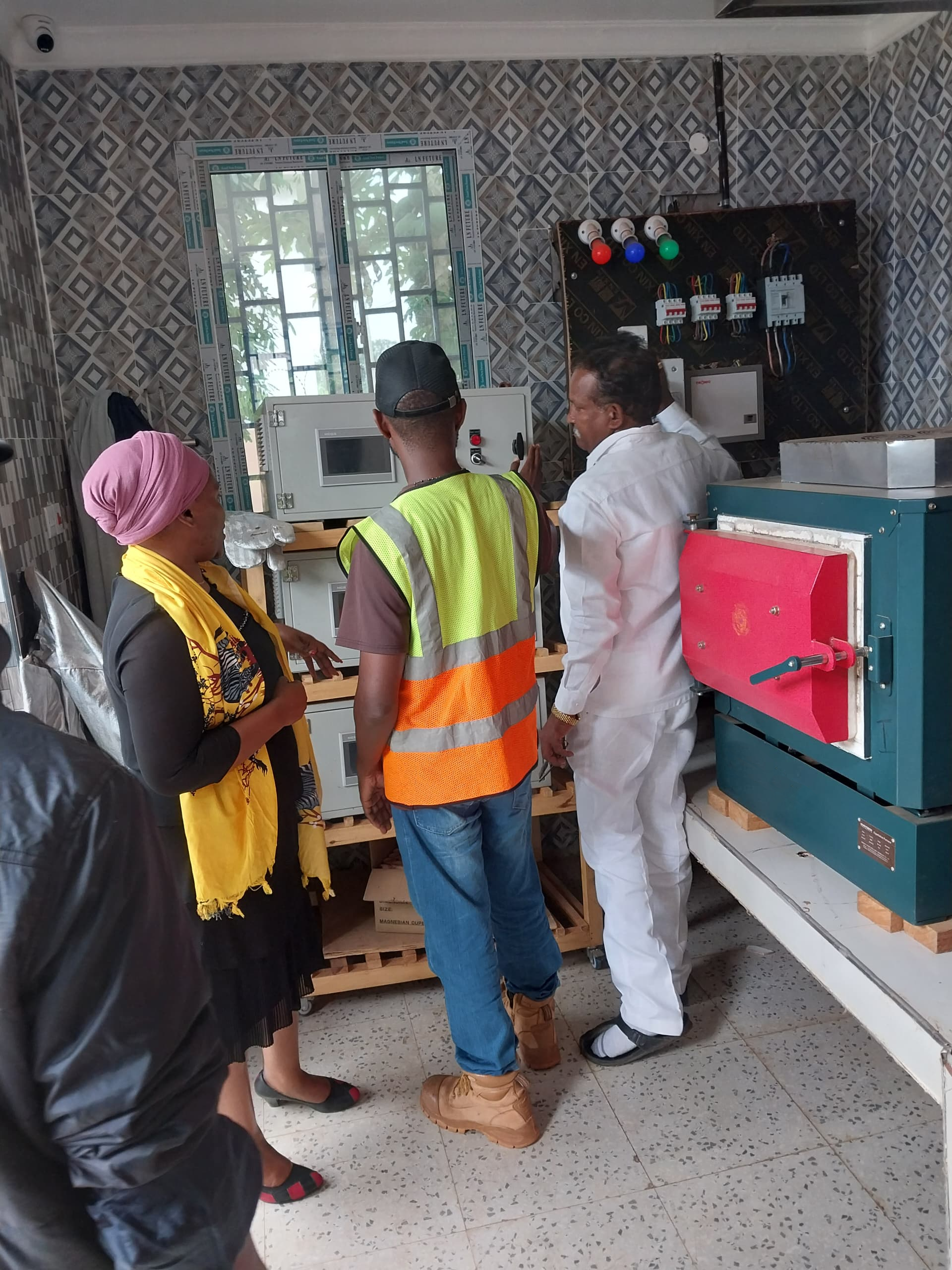
নানইয়াং জেজে টেস্ট ইথিওপিয়ার একটি ফায়ার অ্যাসে ল্যাবরেটরিতে পূর্ণাঙ্গ ল্যাবরেটরি সরঞ্জাম সরবরাহ করেছিল, যার মধ্যে ছিল ফিউশন ফার্নেস, কিউপেলেশন ফার্নেস, ক্রুসিবল মিক্সার, ফায়ার অ্যাসে টুলস, খরচযোগ্য সামগ্রী এবং ধূলিমুক্তিকরণ ব্যবস্থা। অক্টোবর ২০১৯-এ সরঞ্জাম স্থাপন ও চালুকরণ থেকে শুরু করে প্রযুক্তিগত প্রকৌশলীদের দ্বারা সাইটে আদর্শ ফায়ার অ্যাসে পদ্ধতি, সরঞ্জাম পরিচালনা ও রক্ষণাবেক্ষণ সম্পর্কিত প্রশিক্ষণ পর্যন্ত, নানইয়াং জেজে টেস্ট তার উৎকৃষ্ট পণ্য মান ও পেশাদার প্রযুক্তিগত সেবার জন্য গ্রাহকের উচ্চ প্রশংসা অর্জন করেছিল।
শতাব্দী পুরনো হওয়া সত্ত্বেও, ফায়ার অ্যাসে পদ্ধতি আর্দ্র রাসায়নিক বিশ্লেষণ বা যন্ত্রভিত্তিক বিশ্লেষণ দ্বারা প্রতিস্থাপনযোগ্য নয়। খনিজ সম্পদে সমৃদ্ধ ইথিওপিয়ায়, নানইয়াং জেজে টেস্ট তার পেশাদার প্রযুক্তিগত দক্ষতা ও সম্পূর্ণ সমাধানের মাধ্যমে স্থানীয় খনিজ পরীক্ষণ ক্ষমতা উন্নয়নে অবদান রাখছে, যার ফলে "চায়না মেড" বৃহত্তর "বেল্ট অ্যান্ড রোড ইনিশিয়েটিভ"-এর দৃষ্টিভঙ্গির মধ্যে উজ্জ্বলভাবে প্রকাশ পাচ্ছে।
সুপারিশকৃত পণ্য





হট নিউজ
-
মহাদেশ জুড়ে, নির্ভুলতার একটি যৌথ অনুসন্ধান | জিম্বাবুয়ের ZMF ক্লায়েন্ট JZJ TEST-এ কন্টেইনারাইজড নমুনা প্রস্তুতি + ফায়ার অ্যাসে এবং বিশ্লেষণ সিস্টেম পরিদর্শন করে
2026-09-30
-
ইথিওপিয়া ফায়ার অ্যাসে পরীক্ষা ৪: নমুনা ফিউশন, কিউপেলেশন এবং টুল সেট—মূল্যবান ধাতুগুলির সঠিক সমৃদ্ধিকরণ অর্জন এবং "অগ্নিতে পুনর্জন্ম" প্রেক্ষণ করা।
2026-08-31
-
প্রতিদিনের রক্ষণাবেক্ষণ এবং যত্ন যা লোড ও ক্রিপ টেস্টারের অধীনে প্রতিরোধক্ষমতা পরীক্ষা করে
2026-08-27
-
ল্যাব দক্ষতা বিপ্লব ঘটানো: কীভাবে HNJC-T4A XRF নমুনা প্রস্তুতির ধারণা পুনর্সংজ্ঞায়িত করছে
2026-08-10
-
উচ্চ-তাপমাত্রার ক্রিপ টেস্টারের সেবা আয়ু কীভাবে বাড়ানো যায়? সেবা আয়ুকে প্রভাবিত করে এমন বিষয়গুলি।
2026-07-21
-
আপনি লোডের অধীনে নরম হওয়ার জন্য সঠিক উচ্চ-তাপমাত্রার ক্রীপ টেস্টার কীভাবে বাছবেন?
2026-07-09
-
একটি শক্তিশালী অংশীদারিত্ব: এরিট্রিয়া গোল্ড মাইনিং কোম্পানি উন্নত JZJ TEST ফায়ার অ্যাসে সি সরঞ্জাম গ্রহণ করেছে, যা স্বর্ণ পরিশোধন ও পরীক্ষার ক্ষেত্রে নতুন মানদণ্ড প্রতিষ্ঠা করছে
2026-07-02
-
বিদেশে পরীক্ষণ ক্ষমতা আপগ্রেড করা হয়েছে: চীনের ১৫এমসিসি-এর ইন্দোনেশিয়ান সাবসিডিয়ারি ফুল-স্কেল ফায়ার অ্যাসে সমর্থন সরঞ্জাম চালু করেছে
2026-06-15
-
গুঁড়ো থেকে ডেটা: মৌলিক বিশ্লেষণের জন্য ফিউশন নমুনা বিশ্লেষক এবং স্পেকট্রোমিটারের আদর্শ জোড়ার রহস্য উন্মোচন
2026-06-09
-
দশ হাজার মাইল ব্যাপী, গুণগত যাচাইকৃত | JZJ TEST-এর আগুনের পরীক্ষা ল্যাবরেটরি সরঞ্জাম রাশিয়ান ক্লায়েন্টের কাছে সফলভাবে ডেলিভারি করা হয়েছে
2026-05-26


