
 EN
EN
 AR
AR
 BG
BG
 FR
FR
 DE
DE
 HI
HI
 IT
IT
 PL
PL
 PT
PT
 RU
RU
 ES
ES
 TL
TL
 IW
IW
 ID
ID
 UK
UK
 VI
VI
 TH
TH
 TR
TR
 FA
FA
 MS
MS
 UR
UR
 BN
BN
 KM
KM
 LO
LO
 PA
PA
 MY
MY
 KK
KK
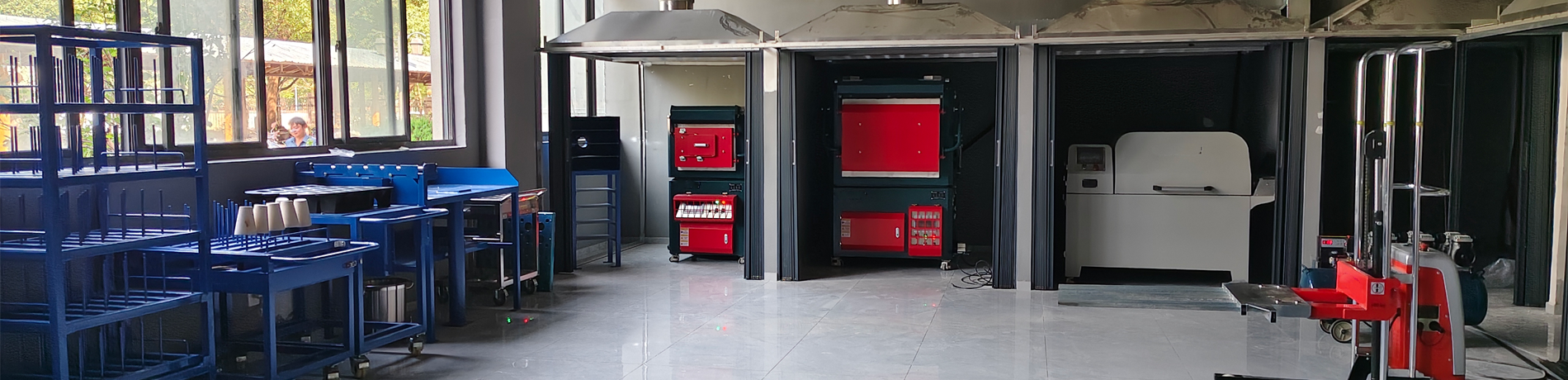
So wählen Sie den richtigen Flachplatten-Wärmeleitfähigkeitsprüfer aus: Ein Kaufleitfaden und Empfehlungen
Ein Platten-Wärmeleitfähigkeits-Prüfgerät ist ein Instrument zur Messung der Wärmeleitfähigkeit von Materialien; es findet breite Anwendung in Bereichen wie Werkstoffwissenschaft, Bauwesen, Luft- und Raumfahrt sowie Elektronik. Die Auswahl des geeigneten Platten-Wärmeleitfähigkeits-Prüfgeräts ist entscheidend, um die Genauigkeit der Messergebnisse sicherzustellen, die Betriebseffizienz zu steigern und spezifische experimentelle Anforderungen zu erfüllen. In diesem Artikel stellen wir Ihnen einen detaillierten Kaufleitfaden zur Verfügung, um Sie bei der fundierten Entscheidung unter der Vielzahl verfügbarer Marken und Modelle zu unterstützen.
Wie wählt man den richtigen Flachplatten-Wärmeleitfähigkeits-Prüfer aus?
I. Klärung der Messanforderungen
(I) Messbereich
Bevor Sie einen Platten-Typ-Wärmeleitfähigkeits-Prüfer auswählen, müssen Sie zunächst klar definieren, welchen Materialtyp Sie messen möchten und welchen Bereich der Wärmeleitfähigkeit Sie erwarten. Die Wärmeleitfähigkeit verschiedener Materialien variiert erheblich: Metalle weisen beispielsweise typischerweise eine sehr hohe Wärmeleitfähigkeit auf (z. B. beträgt die Wärmeleitfähigkeit von Kupfer 398 W/(m·K)), während Kunststoffe oder Wärmedämmstoffe deutlich niedrigere Werte aufweisen (z. B. liegt die Wärmeleitfähigkeit von Polystyrolschaum bei etwa 0,03 W/(m·K)). Daher müssen Sie das Messgerät entsprechend Ihren konkreten Anforderungen auswählen – insbesondere muss es den erforderlichen Messbereich abdecken können. Wenn Ihre Hauptmessobjekte Materialien mit hoher Wärmeleitfähigkeit sind, ist eine breite Hochbereichskapazität entscheidend; umgekehrt sollten Sie bei überwiegend zu messenden Materialien mit niedriger Wärmeleitfähigkeit die Genauigkeit und Auflösung des Geräts im Niedrigbereich priorisieren.
(II) Messgenauigkeit
Die Messgenauigkeit ist einer der entscheidenden Faktoren, die bei der Auswahl eines Wärmestrommessgeräts (Flachplatten-Wärmeleitfähigkeitsprüfers) zu berücksichtigen sind. Geräte mit hoher Genauigkeit liefern zuverlässigere Messdaten – dies ist insbesondere in der wissenschaftlichen Forschung oder in industriellen Anwendungen von besonderer Bedeutung, bei denen strenge Anforderungen an die Materialleistung gestellt werden. Im Allgemeinen sind hochpräzise Wärmestrommessgeräte mit einem vergleichsweise höheren Preis verbunden, erfüllen jedoch anspruchsvollere experimentelle Anforderungen. Bei der Auswahl sollten Sie die erforderliche Genauigkeitsstufe anhand Ihrer spezifischen experimentellen oder produktionsbedingten Anforderungen bestimmen. So mag für die allgemeine Bestimmung der Wärmeleitfähigkeit von Baumaterialien eine Genauigkeit von etwa ±5 % ausreichend sein; für Hochleistungs-Verbundwerkstoffe hingegen, wie sie im Luft- und Raumfahrtsektor eingesetzt werden, können Genauigkeitsanforderungen von ±1 % oder sogar noch höher notwendig sein.
(III) Probengröße und -form
Die zugrunde liegenden Messprinzipien von Wärmeflussmessgeräten erfordern in der Regel, dass Proben bestimmte Abmessungen und Formvorgaben erfüllen. Häufig verwendete Probengeometrien sind kreisförmige oder quadratische dünne Platten. Bei der Auswahl eines Instruments müssen Sie daher berücksichtigen, ob das zu messende Material problemlos in eine Probe gebracht werden kann, die den spezifischen Form- und Größenanforderungen des Geräts entspricht. Falls sich Ihr Material nur schwer in Standardformen verarbeiten lässt oder Ihre Proben von Natur aus klein sind, benötigen Sie möglicherweise ein Instrument, das auch nichtstandardmäßige Probendimensionen akzeptiert. Darüber hinaus bieten einige Wärmeflussmessgeräte optionale Probenspannvorrichtungen oder Adapter zur Aufnahme verschiedener Probengeometrien – ein Merkmal, das ebenfalls bei der Kaufentscheidung berücksichtigt werden sollte.
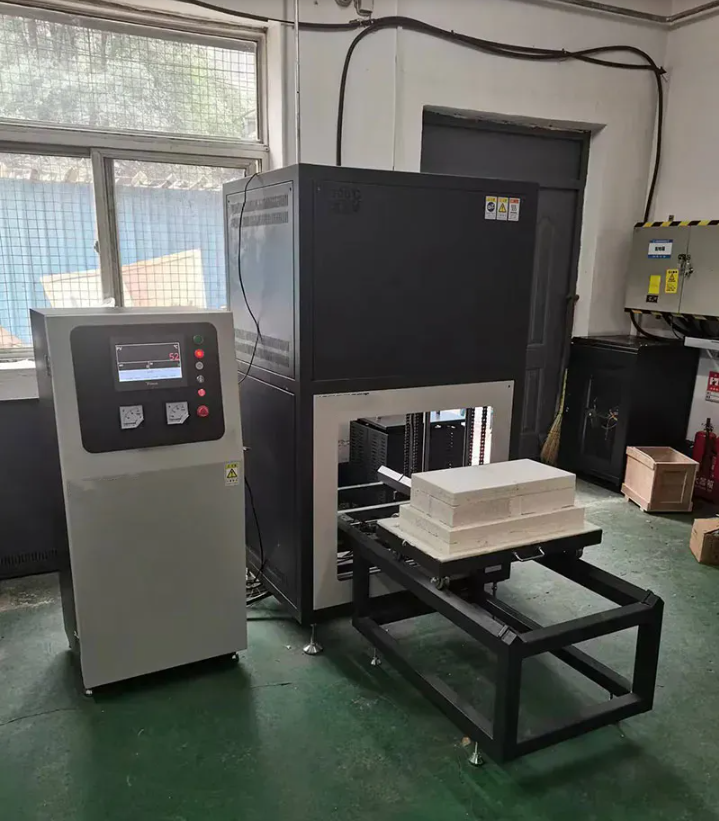
II. Verständnis der wesentlichen Geräteleistungsindikatoren
(I) Genauigkeit der Temperaturregelung
Der Messprozess mit Wärmestrommessgeräten erfordert in der Regel den Betrieb unter bestimmten, kontrollierten Temperaturbedingungen; daher wirkt sich die Temperaturregelgenauigkeit des Instruments unmittelbar auf die Genauigkeit der Messergebnisse aus. Geräte mit hoher Temperaturregelgenauigkeit sind in der Lage, die erforderlichen Messbedingungen stabiler aufrechtzuerhalten … Temperaturumgebung und minimieren dadurch die Auswirkungen von Temperaturschwankungen auf die Messung. Bei der Auswahl ist es unerlässlich, die Angaben des Geräts zur Temperaturregelpräzision – insbesondere seine Temperaturstabilität (z. B. ±0,1 °C oder ±0,05 °C) – zu prüfen und sicherzustellen, dass sein Temperaturbereich Ihren spezifischen Messanforderungen entspricht. Für Materialien, die besonders empfindlich gegenüber Temperaturschwankungen sind, ist eine präzise Temperaturregelung von höchster Bedeutung.
(II) Leistung des Wärmestromsensors
Der Wärmestromsensor ist eine der Kernkomponenten eines Flachplatten-Wärmeleitfähigkeitsprüfers; seine Leistung bestimmt direkt die Genauigkeit und Empfindlichkeit der Messungen. Ein hochwertiger Wärmestromsensor zeichnet sich durch hohe Empfindlichkeit, exzellente lineare Antwort und niedrige Rauschpegel aus. Bei der Auswahl eines Geräts sollten Sie beim Lieferanten nach den technischen Parametern des Wärmestromsensors anfragen – beispielsweise nach seinem Messbereich, seinem Empfindlichkeitskoeffizienten und seiner Langzeitstabilität. Darüber hinaus können auch die Montagemethode des Sensors und sein Kontaktzustand mit der Probe die Messergebnisse beeinflussen; daher ist es entscheidend, sicherzustellen, dass der Sensor einen guten thermischen Kontakt mit der Probe herstellt, um eine genaue Wärmestrommessung zu ermöglichen.
(III) Datenerfassungs- und -verarbeitungsfunktionen
Moderne Flachplatten-Wärmeleitfähigkeitsprüfgeräte sind in der Regel mit fortschrittlichen Systemen zur Datenerfassung und -verarbeitung ausgestattet, die in der Lage sind, Messdaten automatisch aufzuzeichnen und anschließend zu analysieren. Bei der Auswahl achten Sie besonders auf die Datenerfassungsgeschwindigkeit des Geräts, dessen Speicherkapazität sowie die Funktionalität der zugehörigen Datenverarbeitungssoftware. Eine hohe Datenerfassungsgeschwindigkeit ermöglicht die Erfassung detaillierterer Informationen zum Messvorgang, während eine größere Speicherkapazität den Anforderungen langdauernder Messungen oder der Prüfung größerer Probensätze gerecht wird. Darüber hinaus sollte die Datenverarbeitungssoftware über eine benutzerfreundliche Oberfläche verfügen, die einen komfortablen Datenaustausch, die Datenanalyse sowie die Erstellung von Berichten erleichtert. Einige hochentwickelte Geräte bieten zudem Funktionen zur Fernübertragung von Daten und Netzwerkverbindungen, wodurch eine nahtlose Integration mit anderen Geräten oder Laborverwaltungssystemen möglich ist.
III. Berücksichtigung der Gerätestabilität und Zuverlässigkeit
(I) Marke und Hersteller
Die Auswahl eines Flachplatten-Wärmeleitfähigkeitsprüfers eines renommierten Herstellers oder einer etablierten Marke stellt eine wesentliche Sicherheitsgarantie für die Qualität und Zuverlässigkeit des Geräts dar. Renommierte Marken folgen in der Regel strengeren Qualitätskontrollsystemen und bieten umfassendere After-Sales-Service-Leistungen an. Bei der Auswahl kann man sich auf Bewertungen und Erfahrungsberichte anderer Nutzer zur jeweiligen Marke stützen, um Einblicke in die Leistungsfähigkeit und Zuverlässigkeit der Produkte zu erhalten. Darüber hinaus ist es entscheidend, das After-Sales-Service-Netzwerk des Herstellers sowie dessen Reaktionsgeschwindigkeit zu kennen, um sicherzustellen, dass im Falle einer Störung des Geräts oder bei Bedarf technischer Unterstützung zeitnah Hilfe geleistet werden kann.
(II) Gerätestabilität
Die Instrumentenstabilität bezieht sich auf die Konsistenz der Messergebnisse über einen längeren Zeitraum des Betriebs. Instrumente mit hoher Stabilität liefern Daten, die sich durch eine hohe Wiederholbarkeit und Reproduzierbarkeit bei mehrfachen Messungen auszeichnen – eine entscheidende Anforderung in der wissenschaftlichen Forschung und der Qualitätskontrolle. Bei der Auswahl eines Instruments sollte man dessen Langzeitstabilitätskennwerte direkt prüfen; beispielsweise kann man bewerten, ob die Schwankung der Messergebnisse nach 24 Stunden oder längerem Dauerbetrieb innerhalb der zulässigen Fehlergrenze bleibt. Einige Instrumente verfügen zudem über eine automatische Kalibrierungsfunktion, die das Gerät vor jeder Messung automatisch kalibriert, um die Stabilität der Ergebnisse sicherzustellen.
(III) Lebensdauer des Instruments
Der Flachplatten-Wärmeleitfähigkeitsprüfer ist ein Präzisionsinstrument, dessen Lebensdauer von einer Vielzahl von Faktoren beeinflusst wird, darunter die Fertigungsqualität, die Betriebsumgebung und die Wartungspraxis. Bei der Auswahl ist es unerlässlich, die erwartete Lebensdauer der wichtigsten Komponenten des Instruments (z. B. Heizelemente und Sensoren) zu ermitteln und beim Hersteller nach den spezifischen Wartungsanforderungen zu fragen. Die Wahl eines Instruments mit langer Lebensdauer und geringen Wartungskosten kann die Gesamtbetriebskosten langfristig deutlich senken.
IV. Auf zusätzliche Instrumentfunktionen achten
(I) Messung mehrerer Parameter
Einige Flachplatten-Wärmeleitfähigkeits-Prüfgeräte sind nicht nur in der Lage, die Wärmeleitfähigkeit eines Materials zu messen; sie können gleichzeitig auch andere thermophysikalische Parameter wie die Temperaturleitfähigkeit und die spezifische Wärmekapazität bestimmen. Diese zusätzlichen Messmöglichkeiten liefern Ihnen ein umfassenderes Profil der thermischen Eigenschaften eines Materials – eine Funktion, die insbesondere in der Materialwissenschaftsforschung von großem Wert ist. Bei der Auswahl sollten Sie, falls Ihre Forschung oder Anwendung die Messung mehrerer thermophysikalischer Parameter erfordert, ein Gerät mit Mehrparameter-Messfunktion wählen, da dies dessen Kosten-Nutzen-Verhältnis deutlich verbessern kann.
(II) Automatisierungsgrad
Der Automatisierungsgrad bei einer Flachplatten-Wärme... Wärmeleitfähigkeitsmessgeräte können Fehler, die mit manuellen Bedienungsvorgängen verbunden sind, minimieren und die Mess-Effizienz steigern. Einige Geräte verfügen beispielsweise über automatisierte Funktionen wie automatisches Ein- und Auslagern von Proben, automatische Konfiguration des Messprogramms sowie automatische Aufzeichnung und Analyse der Messdaten. Diese automatisierten Funktionen sparen Zeit und Aufwand für die Bediener und eignen sich daher besonders gut für Labore oder Produktionsumgebungen, in denen große Probenvolumina gemessen werden müssen. Bei der Auswahl können Sie einen Automatisierungsgrad wählen, der am besten Ihren spezifischen betrieblichen Anforderungen und Ihrem Budget entspricht.
(III) Softwarefunktionen
Über grundlegende Funktionen zur Datenerfassung und -verarbeitung hinaus bietet die Software, die mit bestimmten Flachplatten-Wärmeleitfähigkeitsmessgeräten geliefert wird, erweiterte Funktionen – wie simulierte Versuchsplanung, Datenanpassung und vergleichende Ergebnisanalyse. Diese Funktionen ermöglichen es den Anwendern, die thermischen Eigenschaften von Materialien vertieft zu analysieren und ihre Versuchsprotokolle zu optimieren. Bei der Auswahl eines Geräts empfiehlt es sich, die zugehörige Software vorab zu testen, um zu prüfen, ob deren Funktionen Ihren spezifischen Anforderungen entsprechen; dabei sollten auch Skalierbarkeit und zukünftiges Upgrade-Potenzial der Software berücksichtigt werden.
V. Budget- und Wirtschaftlichkeitsaspekte
(I) Einen realistischen Budgetrahmen festlegen: Bei der Auswahl eines Flachplatten-Wärmeleitfähigkeitsmessgeräts ist das verfügbare Budget ein entscheidender Faktor. Die Preise variieren erheblich zwischen verschiedenen Marken und Modellen – von mehreren zehntausend bis hin zu mehreren hunderttausend Yuan. Bei der Festlegung Ihres Budgets sollten Sie verschiedene Faktoren umfassend abwägen, darunter die Leistungsfähigkeit des Geräts, seine Ausstattungsmerkmale, den Markennamen sowie den Kundenservice nach dem Kauf. Vermeiden Sie die Versuchung, ausschließlich auf einen niedrigen Preis zu achten, wenn dadurch Qualität und Leistung des Geräts beeinträchtigt werden; umgekehrt sollten Sie auch nicht unkritisch ein bestimmtes Modell anstreben, wenn dies dazu führt, dass Ihr vorgesehenes Budget überschritten wird. Durch die Festlegung eines realistischen Budgets stellen Sie sicher, dass Sie ein Gerät auswählen, das eine hohe Kosten-Nutzen-Relation bietet und gleichzeitig Ihre Messanforderungen vollständig erfüllt.
(II) Bewertung der Kosten-Nutzen-Relation
Kosteneffizienz ist einer der entscheidenden Bewertungsmaßstäbe bei der Auswahl eines Flachplatten-Wärmeleitfähigkeitsmessgeräts. Ein kosteneffizientes Gerät bietet eine überlegene Leistung bei geringeren Gesamtkosten und erfüllt gleichzeitig sämtliche Messanforderungen. Bei der Beurteilung der Kosteneffizienz darf nicht allein der Anschaffungspreis berücksichtigt werden, sondern es sind auch die langfristigen Betriebskosten – beispielsweise Wartungs- und Instandhaltungskosten, Verbrauchsmaterialien sowie Kalibrierungsaufwendungen – einzubeziehen. Darüber hinaus bieten einige Hersteller gebündelte Gerätepakte mit unterschiedlichen Konfigurationen an; durch die Auswahl des Pakets, das am besten Ihren spezifischen Anforderungen entspricht, können Sie die Kosteneffizienz Ihrer Investition zusätzlich maximieren.
Zusammenfassend erfordert die Auswahl eines geeigneten Flachplatten-Wärmeleitfähigkeits-Prüfgeräts eine umfassende Bewertung verschiedener Faktoren, darunter spezifische Messanforderungen, Geräteleistung, Stabilität und Zuverlässigkeit, Zusatzfunktionen sowie das verfügbare Budget. Während des Kaufprozesses empfehlen wir Ihnen, zunächst Ihre Messanforderungen klar zu definieren und anschließend ein Gerät mit Leistungsmerkmalen auszuwählen, die diesen Anforderungen entsprechen. Achten Sie zudem besonders auf die Marke des Geräts und den Kundendienst, um sicherzustellen, dass Sie während des Betriebs zeitnah technische Unterstützung erhalten. Bewerten Sie ferner die Kosten-Nutzen-Relation des Geräts sachgerecht und entscheiden Sie sich für ein Modell, das ein angemessenes Preis-Leistungs-Verhältnis bietet und gleichzeitig Ihre konkreten Anforderungen erfüllt. Sollten Sie weitere Fragen haben, zögern Sie bitte nicht, uns telefonisch zu kontaktieren oder uns eine Nachricht zu hinterlassen!
Empfohlene Produkte
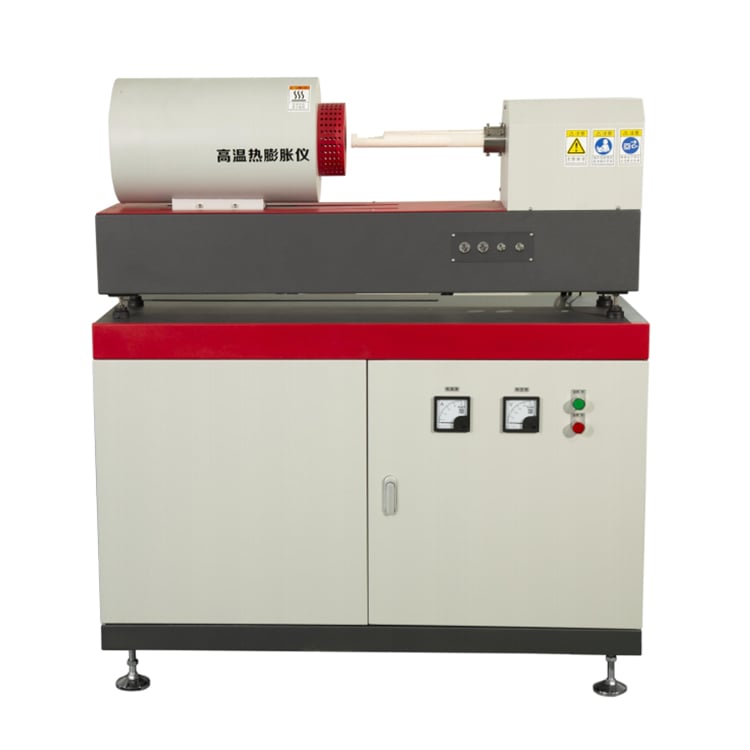

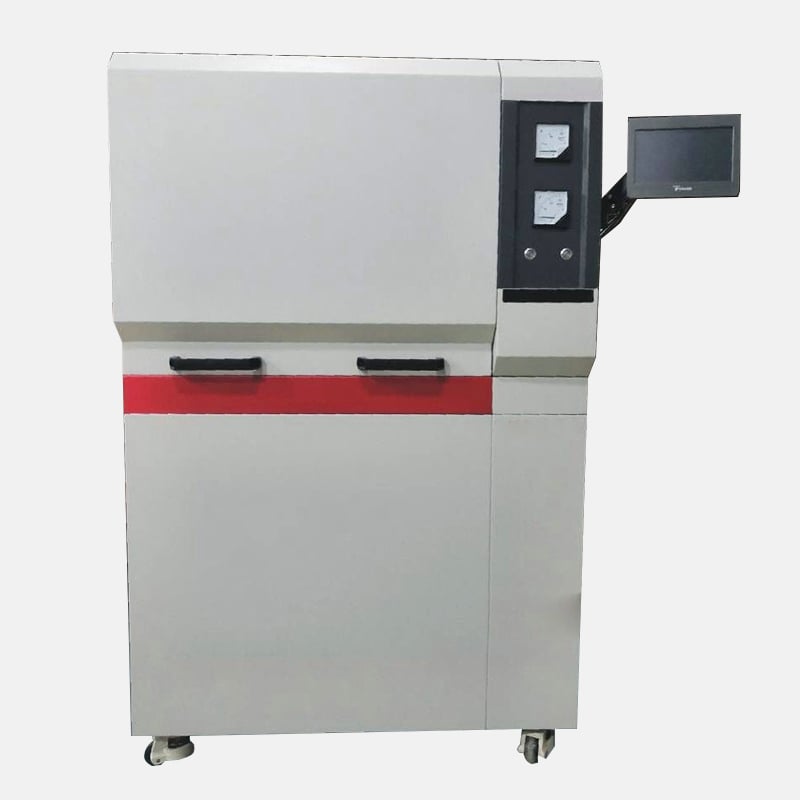




Aktuelle Nachrichten
-
Über Kontinente hinweg – ein gemeinsames Streben nach Präzision | Kundenbesuch der simbabwischen Zimbabwe Miners Federation (ZMF) bei JZJ TEST zur Inspektion des containerbasierten Probenvorbereitungs-, Fire-Assay- und Analysesystems
2026-09-30
-
Äthiopien-Feuerprobe-Experiment 4: Probenfusion, Kupellierung und Werkzeugsatz – Präzise Anreicherung erreichen und die „Wiedergeburt durch Feuer“ von Edelmetallen erleben.
2026-08-31
-
Tägliche Wartung und Pflege eines RUL- und Kriechprüfers
2026-08-27
-
Revolutionierung der Laboreffizienz: Wie der HNJC-T4A die XRF-Probenpräparation neu definiert
2026-08-10
-
Wie verlängert man die Lebensdauer eines Hochtemperatur-Kriechprüfers? Faktoren, die die Lebensdauer beeinflussen.
2026-07-21
-
Wie wählen Sie den richtigen Hochtemperatur-Kriechprüfgerät für die Verformung unter Last aus?
2026-07-09
-
Eine starke Partnerschaft: Das eritreische Goldbergbauunternehmen setzt fortschrittliche JZJ-TEST-Feuerprobe-Ausrüstung ein und treibt neue Standards bei der Goldraffination und -prüfung voran
2026-07-02
-
Überseeische Prüfkapazitäten erweitert: Die indonesische Tochtergesellschaft von China 15MCC führt umfassende Feuerprobe-Ausrüstung ein
2026-06-15
-
Vom Pulver zum Datenwert: Enthüllung der Geheimnisse der idealen Kombination aus Schmelzprobenhersteller und Spektrometer für die Elementaranalyse
2026-06-09
-
Über zehntausend Kilometer Spannweite, Qualität verifiziert | Laborausrüstung für die Feuerprobe von JZJ TEST erfolgreich an einen russischen Kunden ausgeliefert
2026-05-26


