
 EN
EN
 AR
AR
 BG
BG
 FR
FR
 DE
DE
 HI
HI
 IT
IT
 PL
PL
 PT
PT
 RU
RU
 ES
ES
 TL
TL
 IW
IW
 ID
ID
 UK
UK
 VI
VI
 TH
TH
 TR
TR
 FA
FA
 MS
MS
 UR
UR
 BN
BN
 KM
KM
 LO
LO
 PA
PA
 MY
MY
 KK
KK
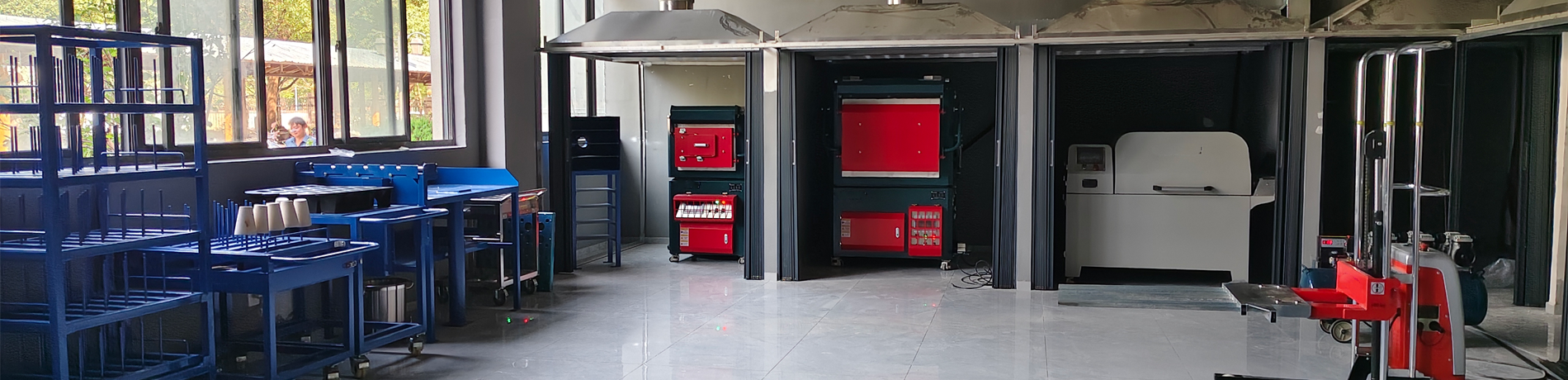
ຈາກຟີເນີເປັນຂໍ້ມູນ: ການເປີດເຜີຍລັບສຳລັບການຈັບຄູ່ທີ່ດີທີ່ສຸດຂອງເຄື່ອງວິເຄາະຕົວຢ່າງແບບ fusion ແລະ ເຄື່ອງສະເປັກໂຕມີເຕີ ເພື່ອການວິເຄາະອົງປະກອບ
ໃນຫ້ອງທົດລອງການວິເຄາະທີ່ທັນສະໄໝ, ມີຄູ່ທີ່ເຂົ້າກັນໄດ້ຢ່າງດີເລີດເຊິ່ງເອີ້ນວ່າ "ຄູ່ທອງ"—ຄືເຄື່ອງປຸງຕົວຢ່າງດ້ວຍວິທີການຫຼີ້ນ ແລະ ເຄື່ອງສະແກນສະເພກໂຕຣມີເຕີເອັກເຣີ (XRF). ເຄື່ອງໜຶ່ງເຮັດໜ້າທີ່ "ປຸງແຕ່ງ" ຕົວຢ່າງ, ອີກເຄື່ອງໜຶ່ງເຮັດໜ້າທີ່ "ຕີຄວາມ" ຖືງປະກອບສ່ວນຂອງມັນ, ທັງສອງເຄື່ອງເຮັດວຽກຮ່ວມກັນເພື່ອປ່ຽນວັດຖຸແຂງທີ່ເບິ່ງຄືງ່າຍດາຍໃຫ້ເປັນຂໍ້ມູນທີ່ມີຄວາມຖືກຕ້ອງ ແລະ ເຊື່ອຖືໄດ້ກ່ຽວກັບອົງປະກອບ.
ດັ່ງນັ້ນ, ສອງເຄື່ອງນີ້ເຮັດວຽກຮ່ວມກັນແນວໃດ? ວັນນີ້, ພວກເຮົາຈະພາທ່ານເຂົ້າໄປໃນຫ້ອງທົດລອງເພື່ອຄົ້ນຫາຄຳຕອບ.
ເປັນຫຍັງຈຶ່ງຕ້ອງມີ "ຄູ່ຮ່ວມງານ"? — ການເອົາຊະນະສາມອຸປະສັກຫຼັກໃນການວິເຄາະຕົວຢ່າງແຂງ
ສຳລັບຕົວຢ່າງແຜ່ນຝຸ່ນແຂງເຊັ່ນ: ອະດາສະຖານ, ຂີ້ເຖົ້າ, ເຄື່ອງເຄີຍມາ, ແລະ ປູນຊີເມັິນ, ການວິເຄາະດ້ວຍວິທີສະເພກໂຕຣສະກອບຢ່າງທັນທີມັກຈະເກີດອຸປະສັກສາມດ້ານຫຼັກ:
ຄວາມບໍ່ເປັນເອກະພາບ: ສ່ວນທີ່ເປັນຝຸ່ນມີຂະໜາດແຕກຕ່າງກັນ, ສົ່ງຜົນໃຫ້ເກີດການຈັດສົ່ງສ່ວນປະກອບທີ່ບໍ່ເທົ່າທຽມກັນ.
ຜົນກະທົບຂອງສ່ວນທີ່ເປັນຝຸ່ນ: ສ່ວນທີ່ເປັນຝຸ່ນທີ່ມີຂະໜາດຕ່າງກັນຈະມີປະຕິກິລິຍາຕ່າງກັນຕໍ່ລັງສີ X.
ຜົນກະທົບຂອງເຄື່ອງເຮັດເຄື່ອງເຄີຍ: ອົງປະກອບດຽວກັນອາດຈະໃຫ້ສັນຍານການກວດພົບທີ່ແຕກຕ່າງຢ່າງມະຫາສານໃນໂຄງສ້າງເຄື່ອງເຮັດເຄື່ອງເຄີຍທີ່ແຕກຕ່າງກັນ.
ບັນຫາເຫຼົ່ານີ້ສົ່ງຜົນຢ່າງຮຸນແຮງຕໍ່ຄວາມຖືກຕ້ອງ ແລະ ຄວາມຊ້ຳກັບໄດ້ຂອງຜົນໄດ້ຮັບການວິເຄາະ. ການນຳເຂົ້າມາໃຊ້ເຄື່ອງວິເຄາະຕົວຢ່າງທີ່ເຮັດດ້ວຍວິທີການລະລາຍ (fusion) ແມ່ນເພື່ອກຳຈັດອຸປະສັກເຫຼົ່ານີ້ອອກໄປຢ່າງສິ້ນເຊີງ.
ຂັ້ນຕອນທີ 1: ເຄື່ອງລະລາຍ – ການປ່ຽນວັດຖຸທີ່ເປັນຂອງແຂງໃຫ້ເປັນແຜ່ນແກ້ວທີ່ເປັນເອກະລັກ
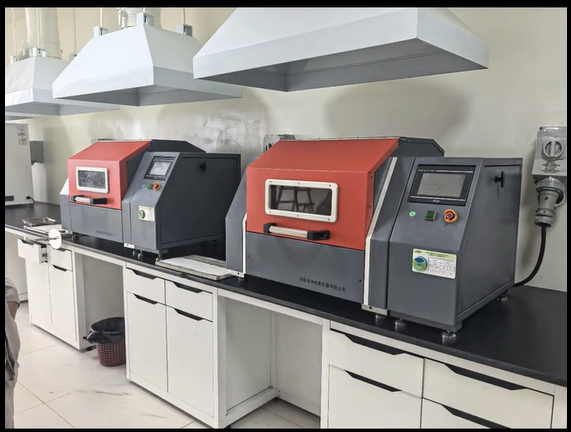
ເຄື່ອງລະລາຍເຮັດວຽກຄືນັກເຮັດແກ້ວທີ່ມີປະສົບການ, ໂດຍການລະລາຍວັດຖຸດິບທີ່ບໍ່ເປັນເອກະລັກໃຫ້ເປັນແຜ່ນແກ້ວທີ່ເປັນເອກະລັກ ແລະ ຊັດເຈນ.
1. ການກຽມວັດຖຸຢ່າງຖືກຕ້ອງ
ກ່ອນອື່ນໝາດ, ນັກວິທະຍາສາດຈະຊົ່ວງນ້ຳໜັກຕົວຢ່າງແນ່ນອນຂອງຕົວຢ່າງທີ່ຈະທົດສອບ (ມັກຈະເປັນ 0.5-1.0 ກຣາມ) ແລະ ເພີ່ມ flux ໃນປະລິມານ 5-20 ເທົ່າຂອງຕົວຢ່າງ, ເຊັ່ນ: lithium tetraborate ຫຼື lithium metaborate. Flux ຈະຊ່ວຍຫຼຸດອຸນຫະພູມການລະລາຍ ແລະ ຊ່ວຍໃຫ້ຕົວຢ່າງແຜ່ກະຈາຍຢ່າງເທົ່າທຽມກັນ. ຍິ່ງໄປກວ່ານັ້ນ, ຍັງເພີ່ມ agent ທີ່ຊ່ວຍໃຫ້ລະບົບປ່ອຍຕົວ (ເຊັ່ນ: lithium bromide) ແລະ oxidants ທີ່ຈຳເປັນເພື່ອຮັບປະກັນຄວາມລຽບລ້ອນຂອງຂະບວນການຕໍ່ໄປ.
2. ການລະລາຍທີ່ອຸນຫະພູມສູງ ແລະ ການປະສົມຢ່າງເທົ່າທຽມກັນ
ວັດຖຸທີ່ປະສົມແລ້ວຈະຖືກນຳໄປວາງໃນ crucible ທີ່ເຮັດຈາກ platinum ແລ້ວນຳເຂົ້າໄປໃນເຄື່ອງລະລາຍ. ເຄື່ອງຈັກຖືກຕັ້ງໂປຣແກຣມໃຫ້ຮ້ອນຈົນເຖິງອຸນຫະພູມ 1050°C-1200°C. ຢູ່ໃນອຸນຫະພູມສູງນີ້, ຕົວຢ່າງ ແລະ flux ຈະລະລາຍຢ່າງສົມບູນເປັນສະຖານະຂອງຂີ້ເຫຼື້ອ.
ຂັ້ນຕອນທີ່ສຳຄັນທີ່ສຸດແມ່ນຢູ່ທີ່ນີ້: ເຄື່ອງລະລາຍຈະຂັບເຄື່ອນ crucible ໃຫ້ເຂົ້າຮ່ວມການເຂົ້າໄປເຂີ່ยวຫຼື ເຂົ້າຮ່ວມການປັ່ນຢ່າງຮຸນແຮງ. ຂະບວນການນີ້ຈະຮັບປະກັນວ່າຂີ້ເຫຼື້ອທີ່ລະລາຍແລ້ວຈະມີຄວາມເທົ່າທຽມກັນໃນລະດັບ atomic, ເຊິ່ງຈະກຳຈັດຄວາມແຕກຕ່າງທັງໝົດທີ່ເກີດຈາກສະຖິດຕິຂອງອົງປະກອບ ຫຼື ວັດຖຸທີ່ເປັນເມັດ.
3. ການຫຼໍ້າແລະການເຢັນຫຼັງຈາກການຫຼົ້ມ: ຫຼັງຈາກການຫຼົ້ມ, ເຄື່ອງຫຼົ້ມອັດຕະໂນມັດຈະເທໃສ່ແກ້ວທີ່ຫຼົ້ມແລ້ວເຂົ້າໄປໃນບ່ອນຫຼໍ້າທີ່ຖືກເຮັດໃຫ້ຮ້ອນໄວ້ລ່ວງໆ ຫຼື ເຢັນໂດຍກົງໃນຖ້ວນຫຼົ້ມ. ພາຍໃນບໍ່ເກີນບ່ອນຫຼາຍນາທີ, ແຜ່ນແກ້ວທີ່ເປັນແຜ່ນລຽບ ສະອາດ ແລະ ຊັດເຈນຈະຖືກຜະລິດອອກມາ. ແຜ່ນນີ້ມີຄວາມສະຖຽນທາງເຄມີ, ສາມາດເກັບໄວ້ໄດ້ເປັນເວລາດົນນານ ແລະ ສະດວກຕໍ່ການທົດສອບຊ້ຳໃນອະນາຄົດ.
ຂັ້ນຕອນທີສອງ: ອຸປະກອນວັດແທກສະເພກຕຣົມເຕີ – ໃຫ້ອົງປະກອບ "ເວົ້າເອງ" ເມື່ອແຜ່ນແກ້ວທີ່ຖືກຫຼົ້ມແລ້ວຖືກກະກຽມແລ້ວ, ມັນເຖິງເວລາທີ່ອຸປະກອນວັດແທກສະເພກຕຣົມເຕີຈະເຮັດວຽກ.
1. ການເຮັດໃຫ້ເກີດການຕື່ນຕົວໂດຍບໍ່ທຳລາຍ: ນັກວິຊາການຈະວາງແຜ່ນທີ່ຫຼົ້ມແລ້ວ (ດ້ານທີ່ຖືກຂັດເງົາໄວ້ດ້ານລຸ່ມ) ເຂົ້າໄປໃນຫ້ອງຕົວຢ່າງຂອງເຄື່ອງວັດແທກ XRF. ເຄື່ອງຈະສົ່ງລັງສີ X ທີ່ມີພະລັງງານສູງໄປທີ່ໜ້າແຜ່ນທີ່ຫຼົ້ມ, ເຮັດໃຫ້ອາຕົມໃນຕົວຢ່າງເກີດການຕື່ນຕົວ ແລະ ປ່ອຍລັງສີ X ທີ່ເປັນລັກສະນະເອງ (fluorescent X-rays) ອອກມາ ເຊິ່ງເປັນຂໍ້ມູນທີ່ສະແດງເຖິງລາຍລະອອງຂອງອົງປະກອບ.
2. ການວິເຄາະທີ່ຖືກຕ້ອງແທ້ຈິງ ລະບົບການຮັບສັນຍານຂອງສະເປັກໂຕມີເຕີຈະຈັບສັນຍານລັງສີທີ່ມີລັກສະນະເປັນເອກະລັກເຫຼົ່ານີ້ ແລະ ແຍກອອກ ແລະ ນັບຈຳນວນມັນຕາມຄວາມຍາວຂອງຄລື່ນ ຫຼື ພະລັງງານ. ສຳລັບແຕ່ລະອົງປະກອບຈະສອດຄ່ອງກັບຄວາມເຂັ້ມຂອງເສັ້ນສະເປັກຕຣັມທີ່ເປັນເອກະລັກ— ຄວາມເຂັ້ມທີ່ສູງຂຶ້ນ ໝາຍເຖິງປະລິມານທີ່ຫຼາຍຂຶ້ນ.
3. ການປະມານຄ່າຢ່າງສຸດທິນ ຊອບແວຂອງເຄື່ອງມືຈະປຽບທຽບຄວາມເຂັ້ມທີ່ວັດໄດ້ກັບເສັ້ນທາງການປັບຄ່າລ່ວງໆ (ທີ່ໄດ້ປັບຄ່າດ້ວຍການໃຊ້ຕົວຢ່າງມາດຕະຖານທີ່ຖືກຫຼີ້ວເຂົ້າກັນ) ແລະ ຮ່ວມກັບແບບຈຳລອງການປັບຄ່າທາງຄະນິດສາດ ເພື່ອຄຳນວນອັດຕາສ່ວນທີ່ຖືກຕ້ອງຂອງແຕ່ລະອົງປະກອບໃນຕົວຢ່າງ (ຈາກຮ້ອຍລະເປີເຊັນທີ່ຫຼາຍທີ່ສຸດ ໄປຈົນເຖິງປະລິມານທີ່ນ້ອຍທີ່ສຸດໃນຫົວ່າ ppm) ອັດຕາສ່ວນການວິເຄາະອົງປະກອບທັງໝົດຈະຖືກສ້າງຂຶ້ນຢ່າງເຕັມຮູບແບບ.
ພັນທະມິດອັນເຂັ້ມແຂງນຳເອົາຂໍ້ດີຫຼັກຫົກດ້ານ: ການຮ່ວມມືຢ່າງເລິກເຊິ່ງລະຫວ່າງເຄື່ອງຕົວຢ່າງທີ່ຫຼີ້ວເຂົ້າກັນ ແລະ ສະເປັກໂຕມີເຕີ ບໍ່ໄດ້ຢູ່ພຽງແຕ່ເປັນສູດງ່າຍໆ '1+1=2' ເທົ່ານັ້ນ:
ການກ້າວລ້ຳທີ່ເປັນການປ່ຽນແປງ: ຂັບເຄື່ອນຄວາມບໍ່ເປັນເອກະພາບຂອງຕົວຢ່າງ ແລະ ຜົນກະທົບຈາກເຄື່ອງປຸງ (mineral effects) ອອກທັງໝົດ ເຊິ່ງເຮັດໃຫ້ຄວາມຖືກຕ້ອງ ແລະ ຄວາມສາມາດໃນການທົດສອບຊ້ຳຄືນດີຂຶ້ນຢ່າງມີນັກ.
ການນຳໃຊ້ຢ່າງກວ້າງຂວາງ: ສາມາດຈັດການຕົວຢ່າງທີ່ສັບສົນ, ມີຄວາມຕ້ານທານສູງ, ແລະ ມີຄວາມແຕກຕ່າງກັນໄດ້ຢ່າງງ່າຍດາຍ ເຊັ່ນ: ອະນຸກົມ, ການລະລາຍຂອງເຖົ້າ, ປູນຊີເມັນ, ແລະ ເຄື່ອງເຄີ່ยว.
ການປັບຄ່າຢ່າງງ່າຍດາຍ: ຫຼັງຈາກການຫຼັງ, ມາຕຣິກເຊື່ອງທີ່ແຕກຕ່າງກັນທັງໝົດຈະຖືກປ່ຽນເປັນມາຕຣິກເຊື່ອງທີ່ຄ້າຍຄືກັບແກ້ວ, ເຊິ່ງຊ່ວຍຫຼຸດຜ່ອນງານການປັບຄ່າຜົນກະທົບຈາກມາຕຣິກເຊື່ອງສຳລັບສະເປັກໂຕມີເຕີຢ່າງຫຼວງຫຼາຍ.
ພື້ນຜິວທີ່ເໝາະສົມຢ່າງແທ້ຈິງ: ແຜ່ນຫຼັງທີ່ເລືອກເອົາມີຄວາມເລືອນ ແລະ ສະເໝືອນກັບພື້ນທີ່ທີ່ເໝາະສົມ ແລະ ສອດຄ່ອງສຳລັບການວິເຄາະ XRF, ເຊິ່ງຊ່ວຍຫຼຸດຜ່ອນຂໍ້ຜິດພາດທີ່ເກີດຈາກພື້ນຜິວໃຫ້ໜ້ອຍທີ່ສຸດ.
ການຕິດຕາມຕົວຢ່າງ: ແຜ່ນຫຼັງແກ້ວມີຄວາມສະຖຽນ ແລະ ມີຄວາມໝັ້ນຄົງ, ເຮັດໃຫ້ການເກັບຮັກສາໃນໄລຍະຍາວ ແລະ ການທົດສອບຄືນໄດ້ງ່າຍ, ເຊິ່ງສອດຄ່ອງກັບຄວາມຕ້ອງການຂອງການວິເຄາະເພື່ອການຕັດສິນ.
ການອັດຕະໂນມັດທີ່ມີປະສິດທິພາບສູງ: ເຄື່ອງຕົວຢ່າງອັດຕະໂນມັດສຳລັບການຫຼັງໃນປັດຈຸບັນສາມາດກຽມຕົວຢ່າງຢ່າງຕໍ່ເນື່ອງໂດຍບໍ່ຕ້ອງມີການເຂົ້າໄປເກີ່ยวຂ້ອງຂອງມະນຸດ. ເມື່ອຮວມເຂົ້າກັບສະເປັກໂຕມີເຕີທີ່ມີການນຳເຂົ້າຕົວຢ່າງອັດຕະໂນມັດ, ມັນຈະຊ່ວຍໃຫ້ການວິເຄາະຢ່າງໄວວ່າງຕົວຢ່າງຈຳນວນຫຼວງຫຼາຍໄດ້ຢ່າງງ່າຍດາຍ.
ສະຫຼຸບ
ເຄື່ອງຕົວຢ່າງການລວມແລະເຄື່ອງສະເປັກໂຕຣມີເຕີ XRF ຈະເຮັດວຽກຮ່ວມກັນ, ໂດຍເຄື່ອງໜຶ່ງຈະຈັດການການກະກຽມຕົວຢ່າງ ແລະອີກເຄື່ອງໜຶ່ງຈະດຳເນີນການວິເຄາະຫຼັງຈາກນັ້ນ. ໂດຍການປ່ຽນຕົວຢ່າງຂອງແຂງດິບໃຫ້ເປັນຊີວະເຄມີແກ້ວທີ່ມີຄວາມເປັນເອກະພາບສູງ, ມັນຈະຊ່ວຍແກ້ໄຂບັນຫາການຮີດຂອງຄຸນສົມບັດທາງຮ່າງກາຍ ແລະ ຄຸນສົມບັດທາງເຄມີທີ່ວິທີການກົດເປັນຜົງດັ້ງເດີມບໍ່ສາມາດແກ້ໄຂໄດ້. ມັນເປັນການຮ່ວມມືຢ່າງໃກ້ຊິດລະຫວ່າງເຄື່ອງທັງສອງນີ້ທີ່ເຮັດໃຫ້ເຄື່ອງສະເປັກໂຕຣມີເຕີ XRF ສາມາດນຳໃຊ້ຂໍ້ດີຂອງມັນໃນການວິເຄາະທີ່ໄວ, ວິເຄາະຫຼາຍອົງປະກອບໄດ້ພາຍໃນເວລາດຽວກັນ, ແລະໃຫ້ຜົນໄດ້ຮັບທີ່ຖືກຕ້ອງ, ເຊື່ອຖືໄດ້ ແລະ ສາມາດທົດສອບຄືນໄດ້.
ໃນດ້ານເທັກໂນໂລຊີການສະກັດເຄື່ອງປຸງທີ່ທັນສະໄໝ, ການຂຸດຄົ້ນບໍ່ແຮ່, ວັດສະດຸສຳລັບການກໍ່ສ້າງ ແລະ ການປ້ອງກັນສິ່ງແວດລ້ອມ, ການຈັບຄູ່ນີ້ໄດ້ກາຍເປັນເຄື່ອງມືທີ່ຈຳເປັນຢ່າງຍິ່ງສຳລັບການວິເຄາະປະກອບຂອງວັດສະດຸແຂງ. ຖ້າທ່ານກຳລັງປະເຊີນກັບບັນຫາຄວາມຖືກຕ້ອງຂອງການວິເຄາະອົງປະກອບສຳລັບຕົວຢ່າງທີ່ສັບສົນ, ກະລຸນາພິຈາລະນາການນຳເຂົ້າໃຊ້ "ຄູ່ທອງຄຳ" ນີ້—ເລີ່ມຕົ້ນດ້ວຍການສ້າງຊີວະເຄມີແກ້ວທີ່ດີເລີດເພື່ອຮັບປະກັນຂໍ້ມູນທີ່ເຊື່ອຖືໄດ້ຢ່າງແທ້ຈິງ.
ຜະລິດຕະພັນທີ່ແນະນຳ





ຂ່າວຮ້ອນ
-
MOREMINE (ສາອຸດີອາຣະເບຍ) ຮ່ວມມືກັບ JZJ TEST ເພື່ອຕິດຕັ້ງຫ້ອງທົດລອງການກະກຽມຕົວຢ່າງ ແລະ ການວິເຄາະທີ່ຕິດຕັ້ງໃນຕູ້ຂົນສົ່ງທີ່ສາມາດຍ້າຍໄດ້ຕາມຄວາມຕ້ອງການ
2026-10-22
-
ຂ້າມທະວີບ, ການຕິດຕາມຄວາມຖືກຕ້ອງຢ່າງຮ່ວມກັນ | ລູກຄ້າຈາກສະຫະພັນຜູ້ຂຸດຂຸດຊີມະບາບເວີ (ZMF) ຂອງຊີມະບາບເວີ ເຂົ້າມາຢ້ຽມຢາມ JZJ TEST ເພື່ອການກວດສອບລະບົບການກະກຽມຕົວຢ່າງໃນຕູ້ container + ການວິເຄາະດ້ວຍວິທີການໄຟອະຊາຍ + ການວິເຄາະ
2026-09-30
-
ການທົດລອງການວິເຄາະດ້ວຍໄຟຂອງເອທີໂອເປຍ ຄັ້ງທີ 4: ການຫຼີ້ນຕົວຢ່າງ, ການເຮັດໃຫ້ບໍ່ມີສິ່ງປົນເປື້ອນດ້ວຍໄຟ, ແລະ ຊุดເຄື່ອງມື—ການບັນລຸການເຮັດໃຫ້ເຂັ້ມຂຸ້ນຢ່າງຖືກຕ້ອງ ແລະ ການເຫັນພູມິສັນຊາດໃໝ່ຜ່ານໄຟຂອງລາຍການທີ່ມີຄ່າ.
2026-08-31
-
ການບໍາລຸງຮັກສາແລະດູແລປະຈຳວັນຂອງເຄື່ອງທົດສອບຄວາມຕ້ານທານຄວາມຮ້ອນໃຕ້ພາລະບານ ແລະ ການເຄື່ອນໄຫວຊ້າ
2026-08-27
-
ການປະຕິວັດປະສິດທິພາບຂອງຫ້ອງທົດລອງ: ວິທີທີ່ HNJC-T4A ປ່ຽນແປງການກະກຽມຕົວຢ່າງ XRF
2026-08-10
-
ວິທີການຍືດອາຍຸການໃຊ້ງານຂອງເຄື່ອງທົດສອບການເຮັດໃຫ້ເກີດການເຄື່ອນຕົວທີ່ອຸນຫະພູມສູງ? ປັດໄຈທີ່ສົ່ງຜົນຕໍ່ອາຍຸການໃຊ້ງານ.
2026-07-21
-
ທ່ານເລືອກເຄື່ອງທົດສອບການເຮັດໃຫ້ອ່ອນຕົວທີ່ອຸນຫະພູມສູງ ແລະ ການເຮັດໃຫ້ເກີດການເຄື່ອນໄຫວຢ່າງຊ້າໆ (creep) ຢູ່ພາຍໃຕ້ແຮງດັນໄດ້ແນວໃດ?
2026-07-09
-
ຄວາມຮ່ວມມືທີ່ມີອຳນາດ: ບໍລິສັດຂຸດຄົ້ນທອງເອຣິເຕເຣຍ ໄດ້ນຳເອົາອຸປະກອນທົດສອບທອງດ້ວຍວິທີການໄຟ (Fire Assay) ຂອງ JZJ TEST ທີ່ທັນສະໄໝ, ເພື່ອເຮັດໃຫ້ມາດຕະຖານໃໝ່ໃນການກຳຈັດທອງແລະການທົດສອບ
2026-07-02
-
ຄວາມສາມາດໃນການທົດສອບຕ່າງປະເທດຖືກຍົກລະດັບ: ສາຂາອິນໂດເນເຊຍຂອງ China 15MCC ໄດ້ນຳເຂົ້າອຸປະກອນການທົດສອບດ້ວຍວິທີການໄຟເຮັດ (Fire Assay) ຢ່າງເຕັມຮູບແບບ
2026-06-15
-
ຈາກຟີເນີເປັນຂໍ້ມູນ: ການເປີດເຜີຍລັບສຳລັບການຈັບຄູ່ທີ່ດີທີ່ສຸດຂອງເຄື່ອງວິເຄາະຕົວຢ່າງແບບ fusion ແລະ ເຄື່ອງສະເປັກໂຕມີເຕີ ເພື່ອການວິເຄາະອົງປະກອບ
2026-06-09


