EN
EN
 AR
AR
 BG
BG
 FR
FR
 DE
DE
 HI
HI
 IT
IT
 PL
PL
 PT
PT
 RU
RU
 ES
ES
 TL
TL
 IW
IW
 ID
ID
 UK
UK
 VI
VI
 TH
TH
 TR
TR
 FA
FA
 MS
MS
 UR
UR
 BN
BN
 KM
KM
 LO
LO
 PA
PA
 MY
MY
 KK
KK

- Overview
- Parameter
- Inquiry
- Related Products
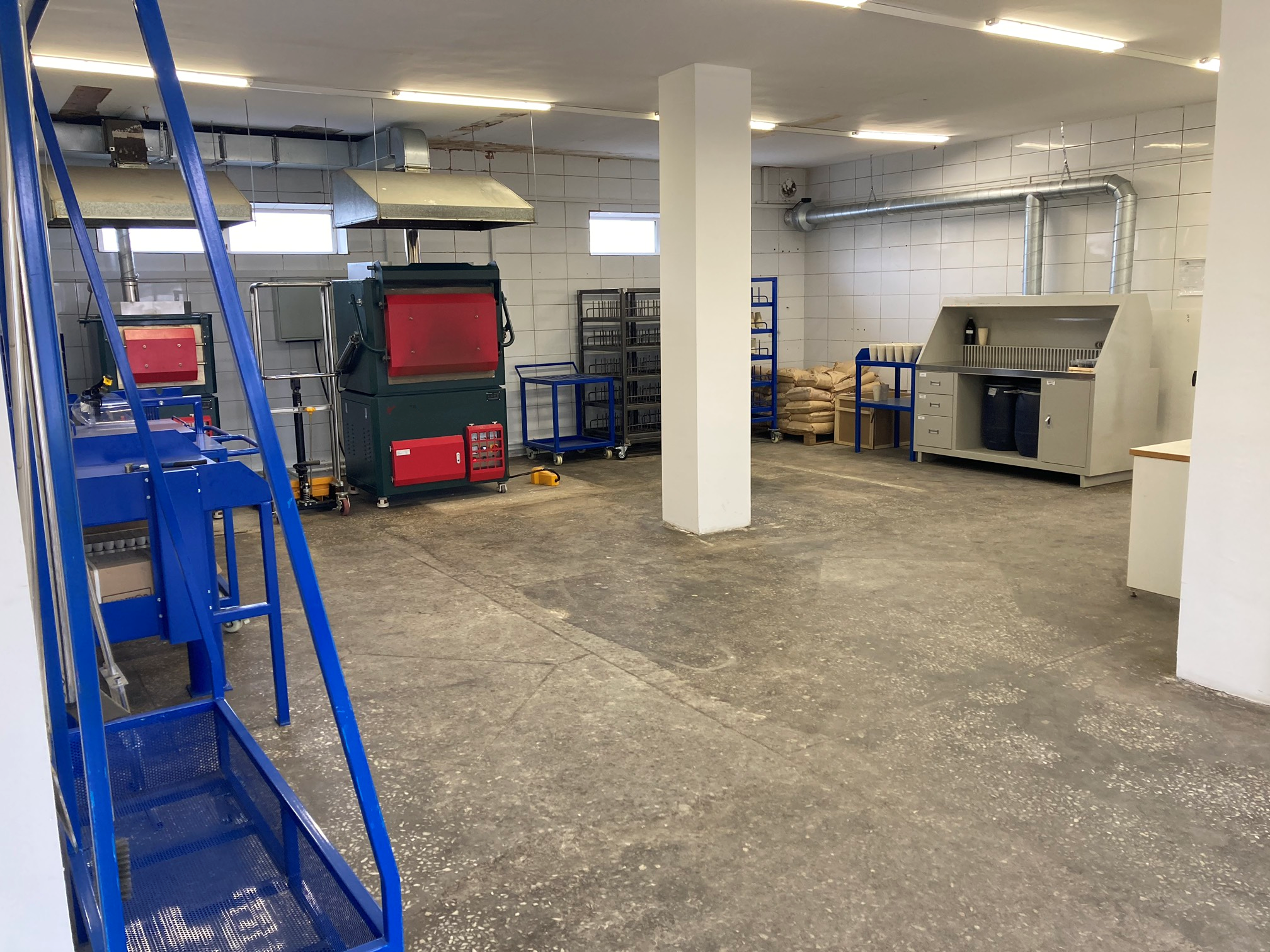
Introducation
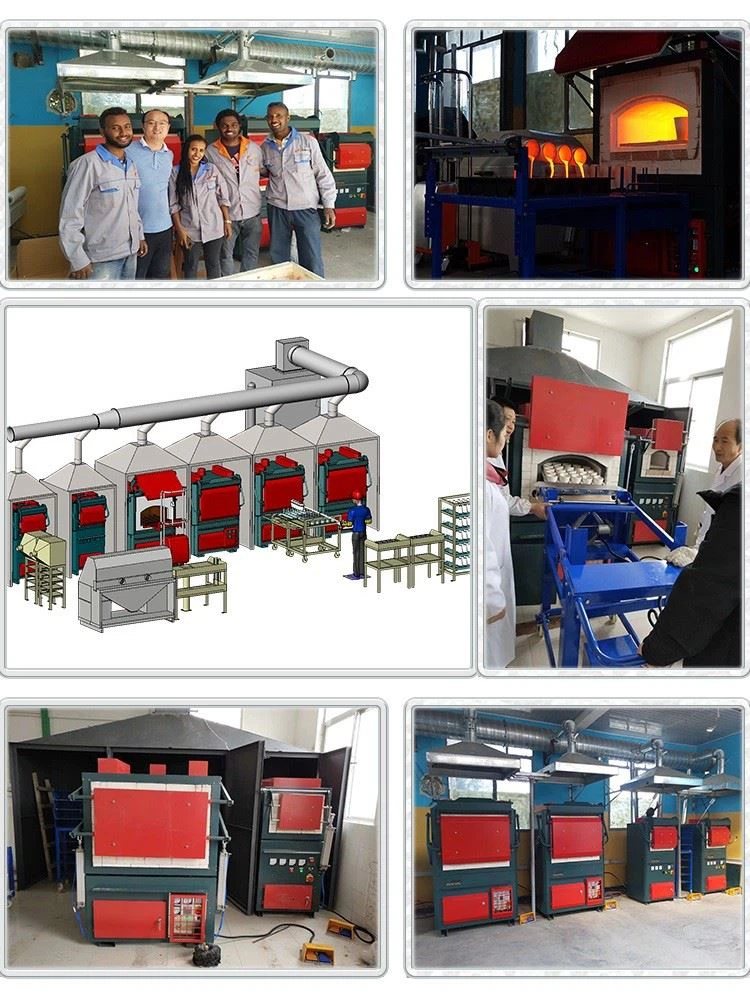
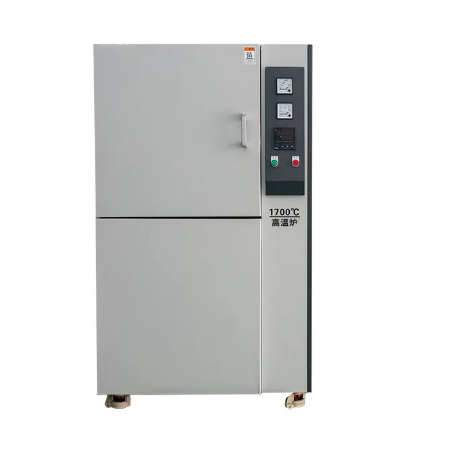
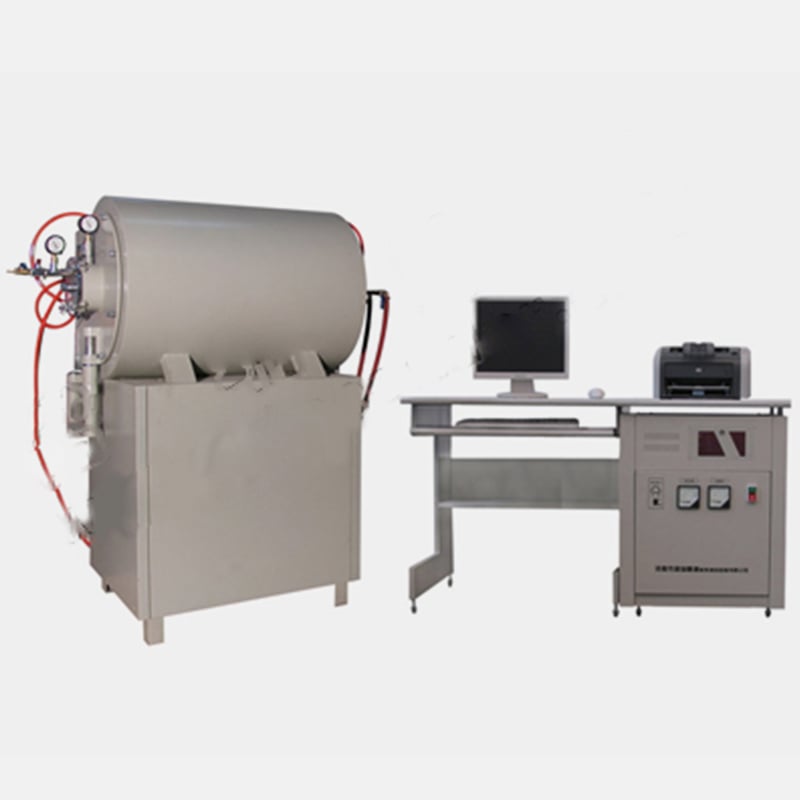
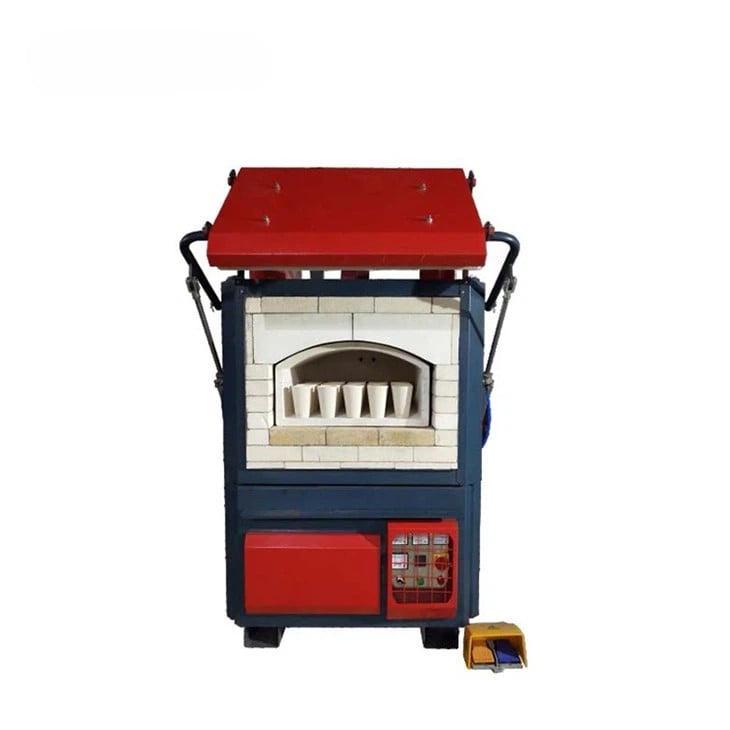
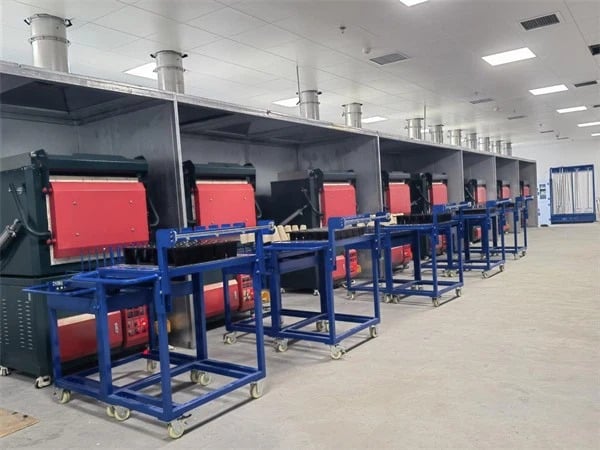
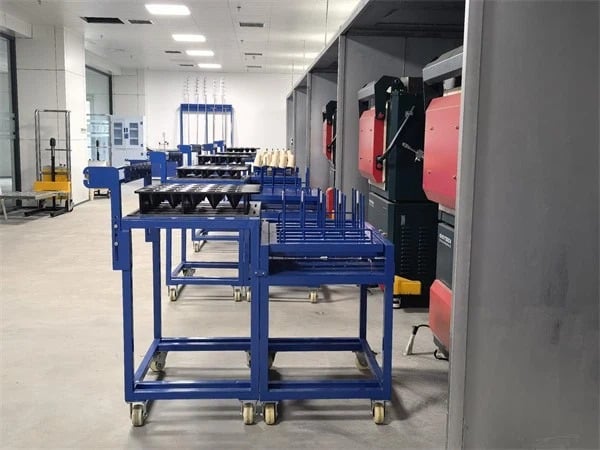
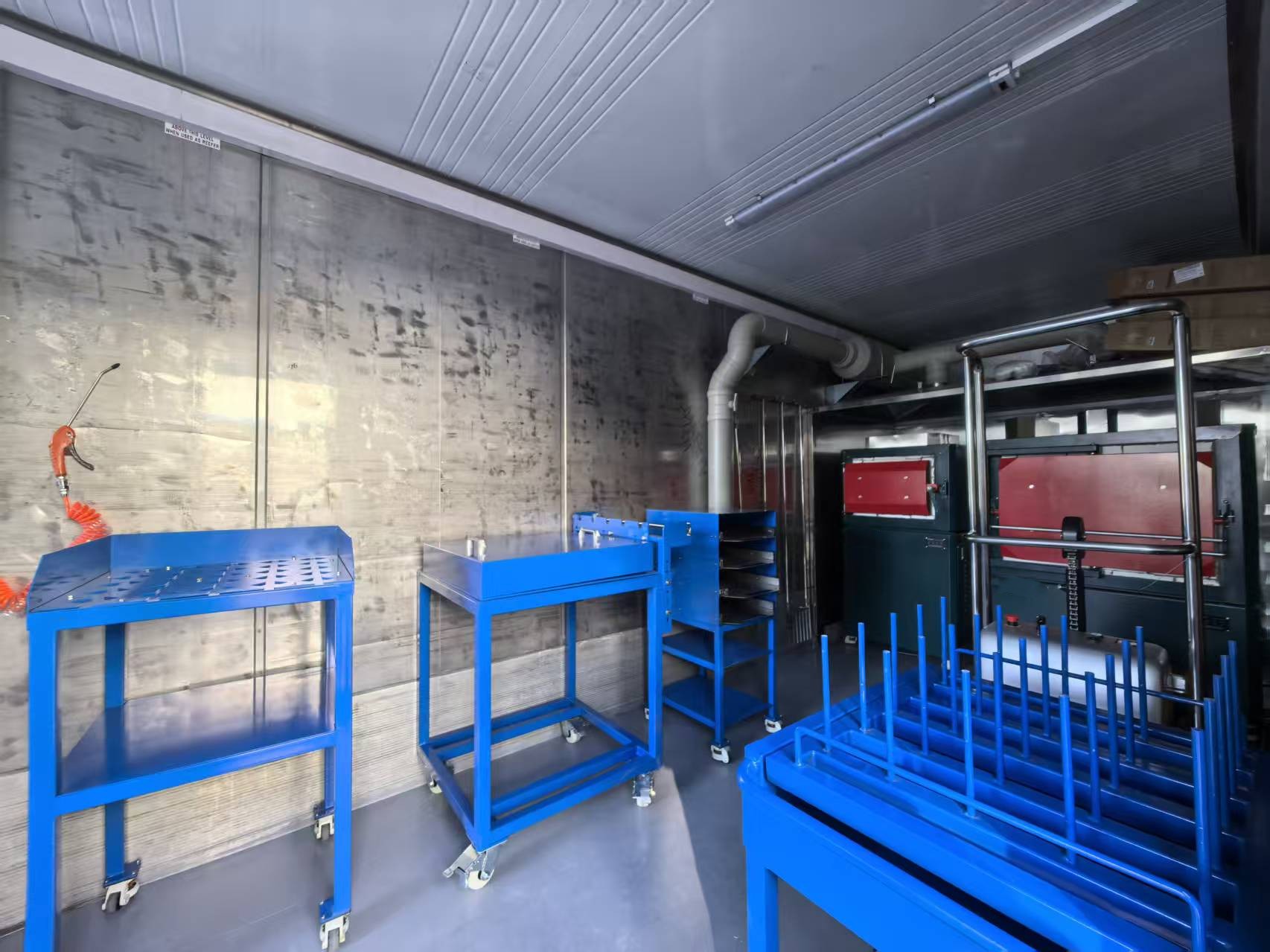
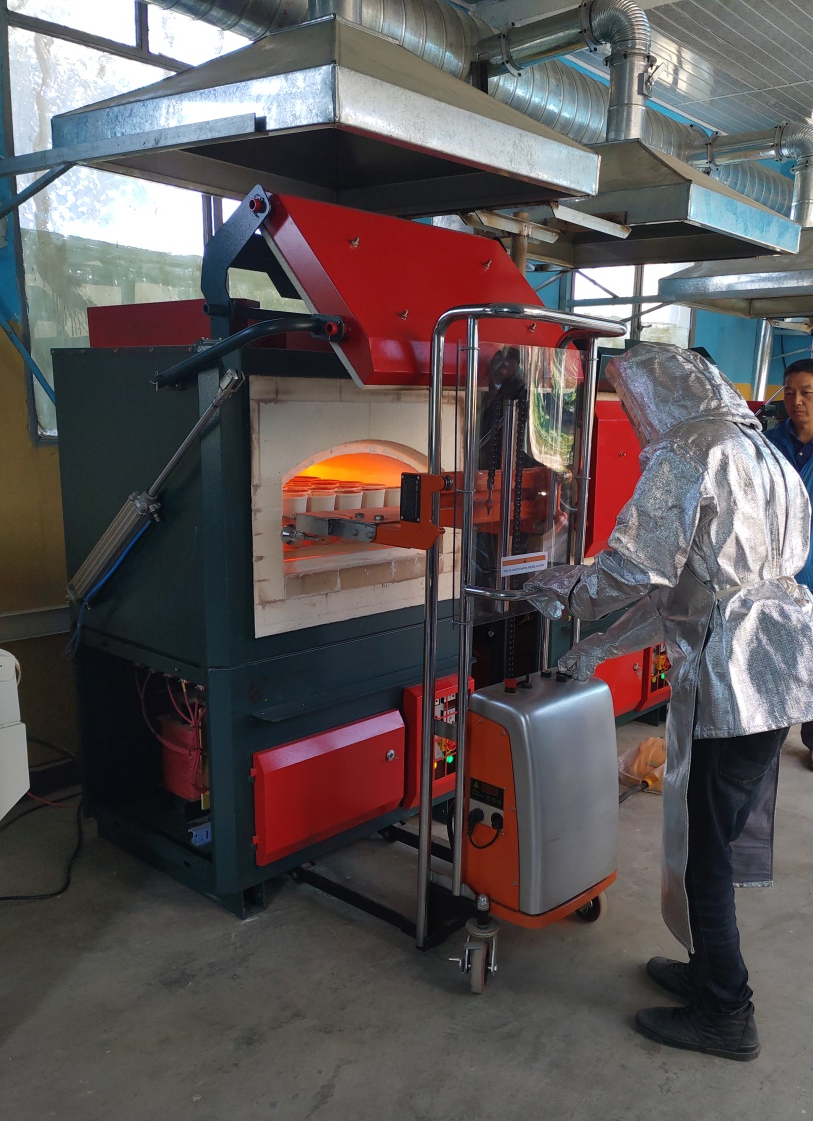
Electric Fusion Furnace
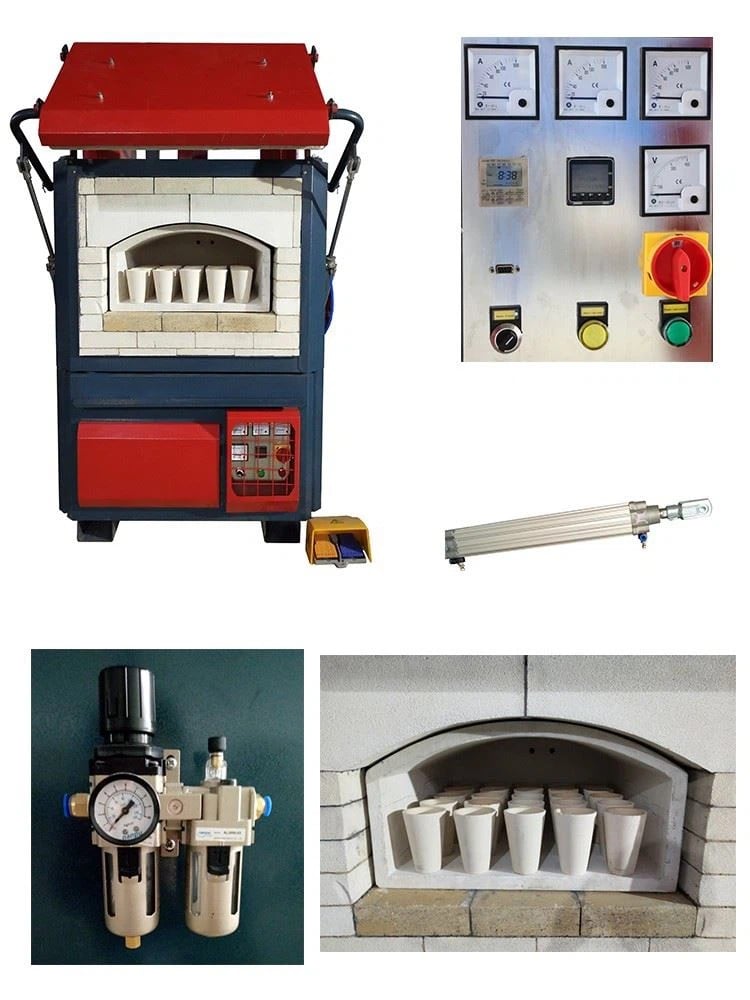
● Independent furnace muffle, large chamber volume, suitable for experiments and production in many fields;
● High temperature control precision, high uniformity and stability of furnace temperature;
● Pneumatically control the oblique opening door, which is convenient to operate, keeping the hot furnace door away from the operator;
● Over-temperature automatic alarm output and other safety protection measures to prevent accidents;
● The muffle has a long service life, and the exterior is made of high-insulation refractory bricks with good insulation effect.
Temperature Control
● Electronic, automatic control max. 1200°C
● Type K thermocouple.
● High temperature alarm output.
FIRE ASSAY ADVANTAGE
1. Good sampling representativeness: reduce sampling error to a minimum;
2. Wide adaptability: it can adapt to almost all samples, from ore, gold concentrate to consumable gold, and antimonite that cannot be solved by wet method;
3. High enrichment efficiency: more than ten thousand times, a small amount of gold and silver can be quantitatively enriched into the test gold button from dozens of grams of samples containing a large amount of matrix elements;
4. Reliable analysis results and high accuracy: The fire assay is suitable for samples with a gold content of<1μg~1g, and the accuracy is better than other instrumental analysis.
Fusion
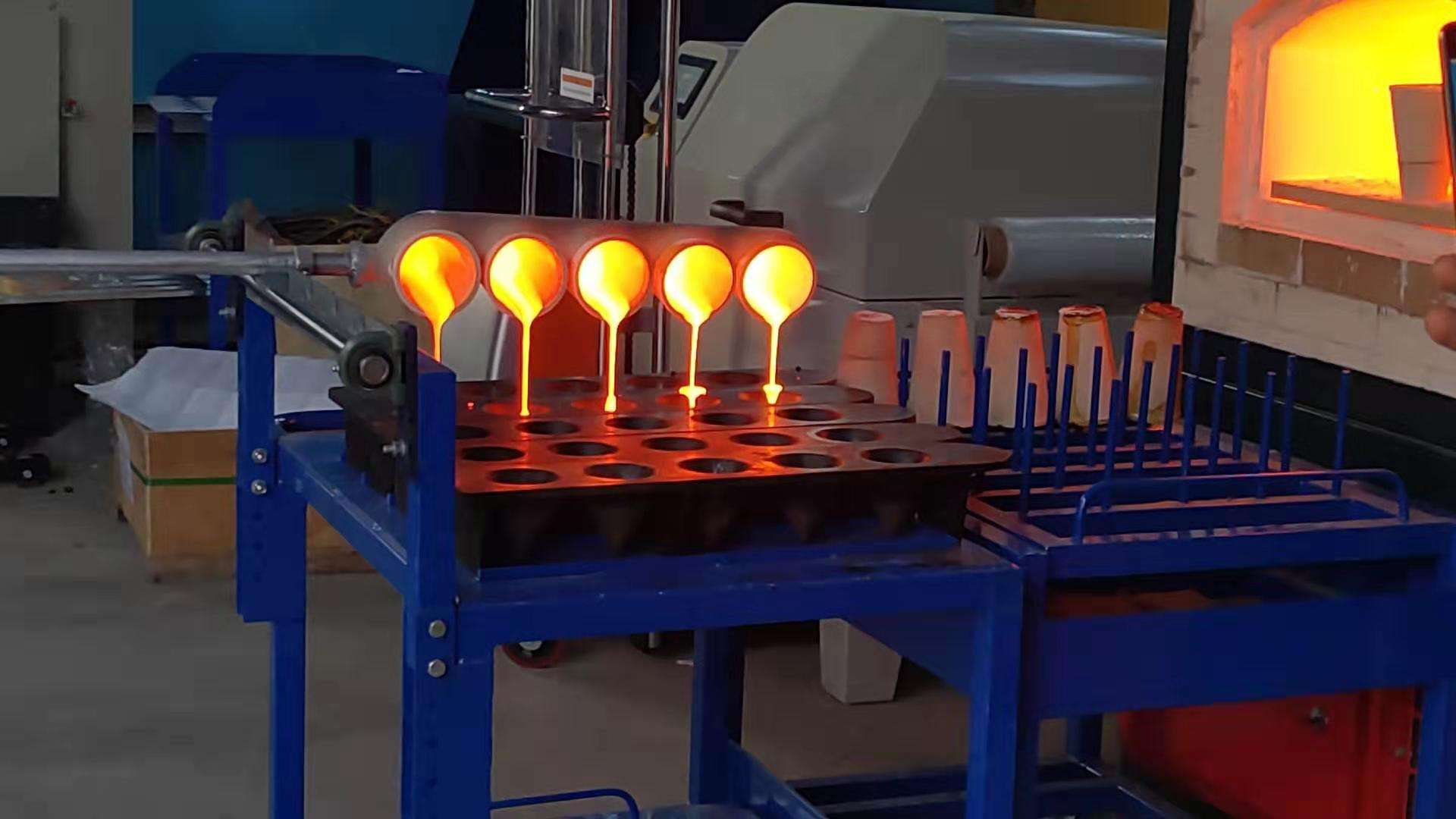
The pulverized sample is weighed and mixed with a fluxing agent. Lead is added as a collector. The sample is then heated in a furnace at about 1000 degrees. After about 20 minutes, the sample has fused and the precious metals and lead have separated from the silicate slag to form a 'button' in the bottom of the crucible. This button contains the precious metals.
Cupellation
Once the sample is removed from the furnace and cools, the lead button is separated from the silicate slag. The precious metals are then extracted by a process known as cupellation. During cupellation, the lead in the button oxidizes and is absorbed into the cupel leaving a precious metal bead known as a prill. The gold content of the prill is determined either by weighing (gravimetrically) or it is dissolved in aqua regia.
Analysis and Detection
Once in solution, gold, platinum and palladium can be analyzed by Flame Atomic Absorption (AA)
PROJECT REFERENCE