
 EN
 AR
 BG
 FR
 DE
 HI
 IT
 PL
 PT
 RU
 ES
 TL
 IW
 ID
 UK
 VI
 TH
 TR
 FA
 MS
 UR
 BN
 KM
 LO
 PA
 MY
 KK
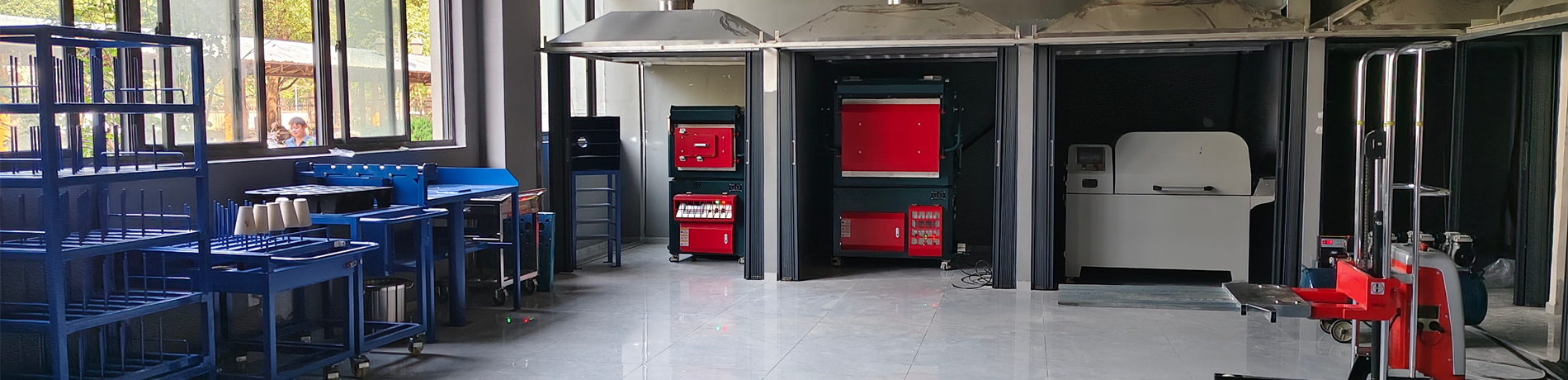
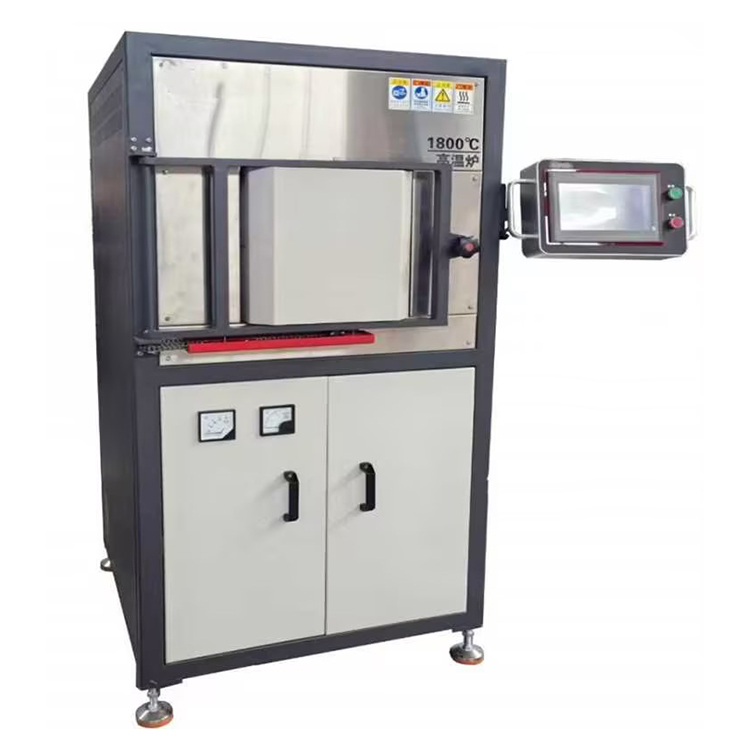
Choose the high temperature muffle furnace that suits you?
To choose a high-temperature muffle furnace that suits you, you need to consider the following factors:
1.Using temperature: First, you need to determine the high temperature range you need, so as to choose a suitable high-temperature muffle furnace. Generally speaking, the operating temperature range of a high-temperature muffle furnace is between 1000℃ and 2000C. Different models of high-temperature muffle furnaces have different temperature ranges, so you need to choose according to actual needs.
2.Furnace size: The furnace size is also one of the factors that need to be considered when choosing a high-temperature muffle furnace. The size of the furnace should be determined according to the size and number of samples that need to be heated. If the sample is large or the number is large, you need to choose a larger furnace to ensure that the sample can be heated evenly.
3.Furnace material: The furnace material of the high-temperature muffle furnace is usually alumina ceramic or quartz glass. Alumina ceramic has high high temperature resistance and corrosion resistance, and is suitable for most high-temperature experiments. Quartz glass has high transparency and can observe the experimental process. Therefore, it is necessary to choose a suitable furnace material according to the experimental needs.
4.Heating method: There are two heating methods for high-temperature electric muffle furnaces: electric heating and gas heating. Electric heating has the advantages of uniform heating and high temperature control accuracy, but it consumes a lot of electricity. Gas heating has the advantages of fast heating speed and high energy utilization, but it consumes gas and may have safety hazards. Therefore, it is necessary to choose a suitable heating method according to the experimental requirements and laboratory conditions.
5. Control system: The control system of the high-temperature muffle furnace is also one of the factors to be considered when choosing. The control system should have the characteristics of high temperature control accuracy, good stability, and easy operation. Some high-end high-temperature muffle furnaces are also equipped with automatic control systems, which can realize remote control and automated experiments. In summary, choosing a high-temperature muffle furnace that suits you needs to consider multiple factors, including operating temperature, furnace size, furnace material, heating method and control system. It is necessary to comprehensively consider your own experimental requirements and laboratory conditions and choose the high-temperature muffle furnace that suits you best.
Recommended Products





Hot News
-
Refractoriness Under Load (RUL) & Creep Tester vs. Standard Dilatometer: Key Differences and Selection Guide
2026-11-11
-
Multi-function Fusion Bead Maker: 5 Features to Expand Your Experimental Possibilities
2026-11-06
-
Direct-Reading Spectrometers vs. Sample Fusion Machines: Understanding the Key Differences and Selection Strategies for These Two Essential Laboratory Instruments
2026-10-26
-
MOREMINE (Saudi Arabia) Partners with JZJ TEST to Deploy Custom Mobile Containerized Sample Preparation & Analysis Laboratory
2026-10-22
-
Applications and Advantages of High-Temperature Flexural Testing Machines
2026-10-16
-
Across Continents, A Shared Pursuit of Precision | Zimbabwe ZMF Client Visits JZJ TEST to Inspect Containerized Sample Preparation + Fire Assay + Analysis System
2026-09-30
-
Ethiopia Fire Assay Experiment 4: Sample Fusion, Cupellation, and Tool Set—Achieving precise enrichment and witnessing the "rebirth through fire" of precious metals.
2026-08-31
-
Daily Maintenance and Care of a Refractoriness under Load and Creep Tester
2026-08-27
-
Analysis of the Effect of Heating Rate on Test Results of a High-Temperature Refractoriness-under-Load and Creep Tester
2026-08-21
-
Revolutionizing Lab Efficiency: How the HNJC-T4A Redefines XRF Sample Preparation
2026-08-10


