
 EN
EN
 AR
AR
 BG
BG
 FR
FR
 DE
DE
 HI
HI
 IT
IT
 PL
PL
 PT
PT
 RU
RU
 ES
ES
 TL
TL
 IW
IW
 ID
ID
 UK
UK
 VI
VI
 TH
TH
 TR
TR
 FA
FA
 MS
MS
 UR
UR
 BN
BN
 KM
KM
 LO
LO
 PA
PA
 MY
MY
 KK
KK
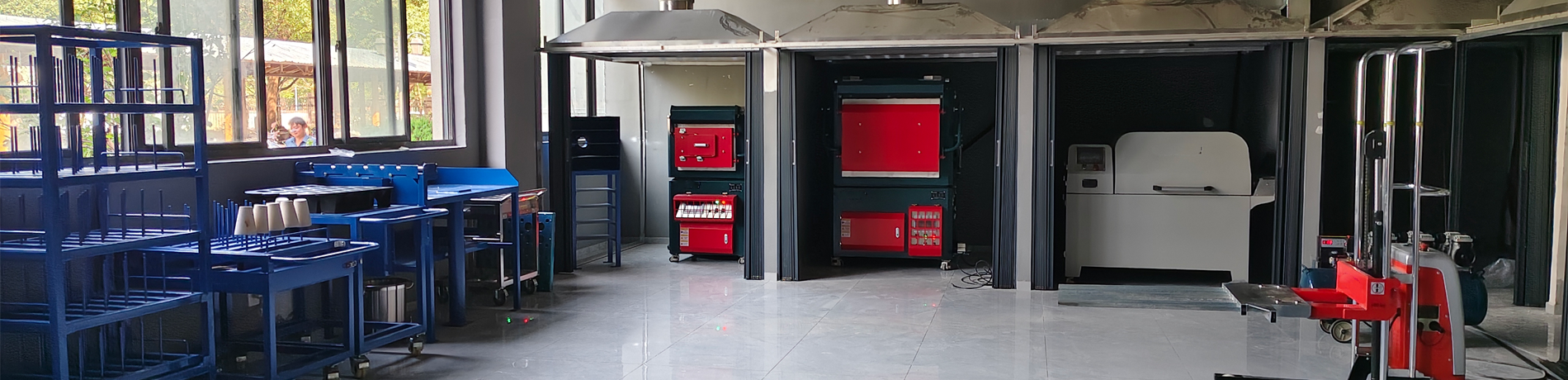
What industries are high temperature flexural testing machines suitable for?
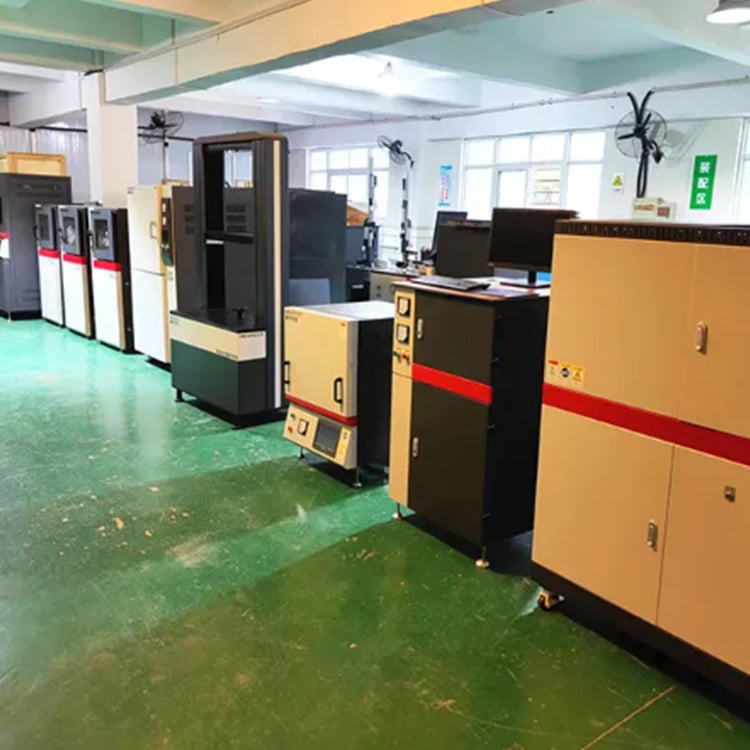
High temperature flexural testing machines are suitable for testing the high temperature flexural strength of inorganic non-metallic materials such as shaped and unshaped refractory materials, ceramic shells, ceramic cores, etc. The mechanical properties of these materials under high temperature conditions are crucial to evaluating their applicability and durability, so high temperature flexural testing machines provide the necessary testing means. In addition, this type of testing machine can also be used to test the flexural strength of specimens such as concrete and bricks, as well as the compressive strength of building materials such as cement, mortar, refractory materials, and bricks. These tests are of great significance for ensuring the quality and safety of materials, especially in the fields of construction, engineering, and product quality control.
The main technical indicators of high temperature bending testing machines include test temperature range, maximum test pressure, adjustable speed and pressure regulation functions of hydraulic loading system, and data computer processing capabilities. For example, some high temperature flexural testing machines can provide test temperatures of 1400℃ to 1650℃, maximum test pressures of up to 20000N, and have adjustable speed and pressure regulation functions of hydraulic loading system, as well as supporting software for data computer processing. These technical indicators ensure the accuracy and reliability of the test, making the test results more accurate and reliable.
In addition, the design and manufacture of high-temperature flexural test machines take into account the safety and convenience of operation. For example, some devices are equipped with external devices such as color monitors, printers, standard keyboards and mice, making operation more intuitive and convenient. At the same time, these devices also have technologies such as high-precision signal conditioners and 32-bit ARM microprocessors, which can achieve automatic constant load control, and have functions such as printing, data storage, data networking and data network transmission, which greatly improves the test efficiency and data traceability.
In summary, the high-temperature flexural testing machine is suitable for testing the flexural strength of various inorganic non-metallic materials under high temperature conditions, as well as related strength tests of building materials such as concrete and cement. It is an indispensable and important tool in the field of material science research and product quality control.
Recommended Products





Hot News
-
Across Continents, A Shared Pursuit of Precision | Zimbabwe ZMF Client Visits JZJ TEST to Inspect Containerized Sample Preparation + Fire Assay + Analysis System
2026-09-30
-
Ethiopia Fire Assay Experiment 4: Sample Fusion, Cupellation, and Tool Set—Achieving precise enrichment and witnessing the "rebirth through fire" of precious metals.
2026-08-31
-
Daily Maintenance and Care of a Refractoriness under Load and Creep Tester
2026-08-27
-
Revolutionizing Lab Efficiency: How the HNJC-T4A Redefines XRF Sample Preparation
2026-08-10
-
How to extend the service life of a high-temperature creep tester? Factors affecting service life.
2026-07-21
-
How do you choose the right high-temperature creep tester for softening under load?
2026-07-09
-
A Powerful Partnership: Eritrea Gold Mining Company Adopts Advanced JZJ TEST Fire Assay Equipment, Driving New Standards in Gold Refining and Testing
2026-07-02
-
Overseas Testing Capabilities Upgraded: China 15MCC’s Indonesian Subsidiary Introduces Full-Scale Fire Assay Equipment
2026-06-15
-
From Powder to Data: Unveiling the Secrets of the Perfect Pairing of Fusion Sample Analyzer and Spectrometer for Elemental Analysis
2026-06-09
-
Spanning Ten Thousand Miles, Quality Verified | JZJ TEST Fire Assay Laboratory Equipment Successfully Delivered to Russian Client
2026-05-26


