
 EN
EN
 AR
AR
 BG
BG
 FR
FR
 DE
DE
 HI
HI
 IT
IT
 PL
PL
 PT
PT
 RU
RU
 ES
ES
 TL
TL
 IW
IW
 ID
ID
 UK
UK
 VI
VI
 TH
TH
 TR
TR
 FA
FA
 MS
MS
 UR
UR
 BN
BN
 KM
KM
 LO
LO
 PA
PA
 MY
MY
 KK
KK
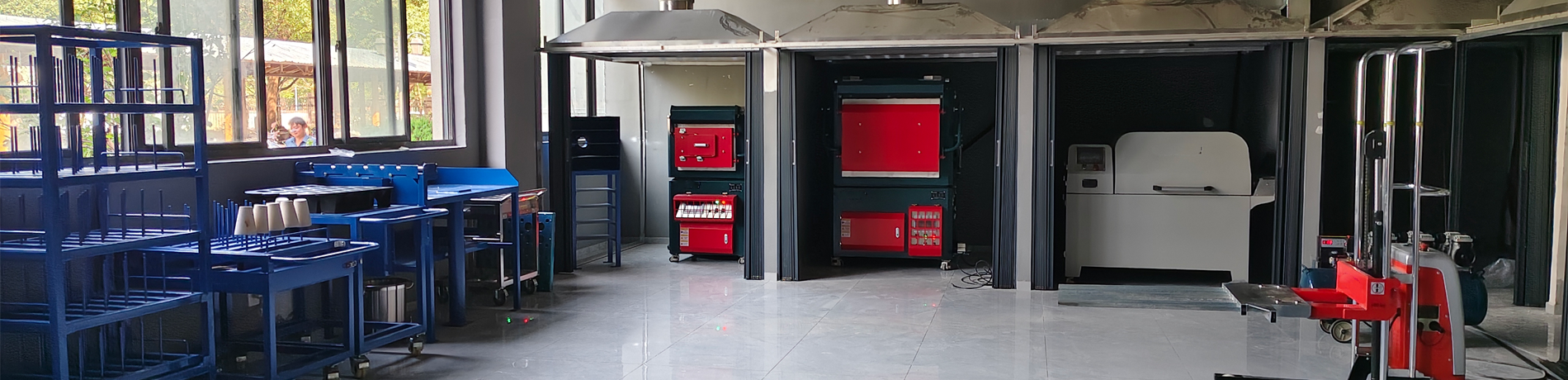
High-performance, cost-effective high-temperature flexural strength testing machine purchasing guide
Among numerous testing devices, the high-temperature flexural strength testing machine stands out due to its crucial role in material performance testing. Whether it's testing the high-temperature mechanical properties of ceramics, glass, or refractory materials, it provides accurate data support. Today, let's delve into a guide to selecting a high-performance, cost-effective high-temperature flexural strength testing machine to assist your research or production work.
High-Performance, Cost-Effective High-Temperature Flexural Testing Machine Purchasing Guide
I. Define Your Needs
Before purchasing a high-temperature flexural testing machine, you must first define your needs. This includes the type of material to be tested, the parameters to be tested, the testing frequency, and the required accuracy level. Different application scenarios have specific requirements for the tonnage, space, control method, and data output format of the equipment. For example, testing refractory materials may require a higher temperature range and greater test force, while testing ceramic materials may place greater emphasis on testing accuracy.
II. Focus on Technical Parameters
Technical parameters are key to evaluating the performance of a high-temperature flexural testing machine. Common technical parameters include temperature range, test force, and measurement accuracy.
1. Temperature Range: The temperature range is one of the core parameters of a high-temperature flexural testing machine. Different materials and testing requirements have different requirements for the temperature range. For example, the Q/211B high-temperature flexural testing machine has a temperature range of -7°C to 35°C, while the 150°C high-temperature ceramic flexural testing machine has a temperature range of room temperature to 150°C. For testing high-temperature materials such as ceramics and refractory materials, equipment with a higher temperature range needs to be selected.
2. Test Force: Test force refers to the maximum force that the equipment can apply. The magnitude of the test force directly affects the range of materials the equipment can test. The maximum test force of the Q.2118 is 0-30 kN, while the maximum test force of the 1500°C high-temperature ceramic flexural strength testing machine is 10 kN, with 20 kN or 50 kN options available. The appropriate test force range must be determined based on the flexural strength of the material being tested.
3. Measurement Accuracy: Measurement accuracy includes test force measurement accuracy, displacement measurement accuracy, and deformation measurement accuracy. A high-precision measurement system provides more accurate test results. For example, the test force measurement accuracy of the Q.2118 is 0.01%, with a testing accuracy of less than 1%; the test force indication error of the 1500°C high-temperature ceramic flexural strength testing machine is 0.5%FS. High-precision equipment better meets the requirements of scientific research and quality control.
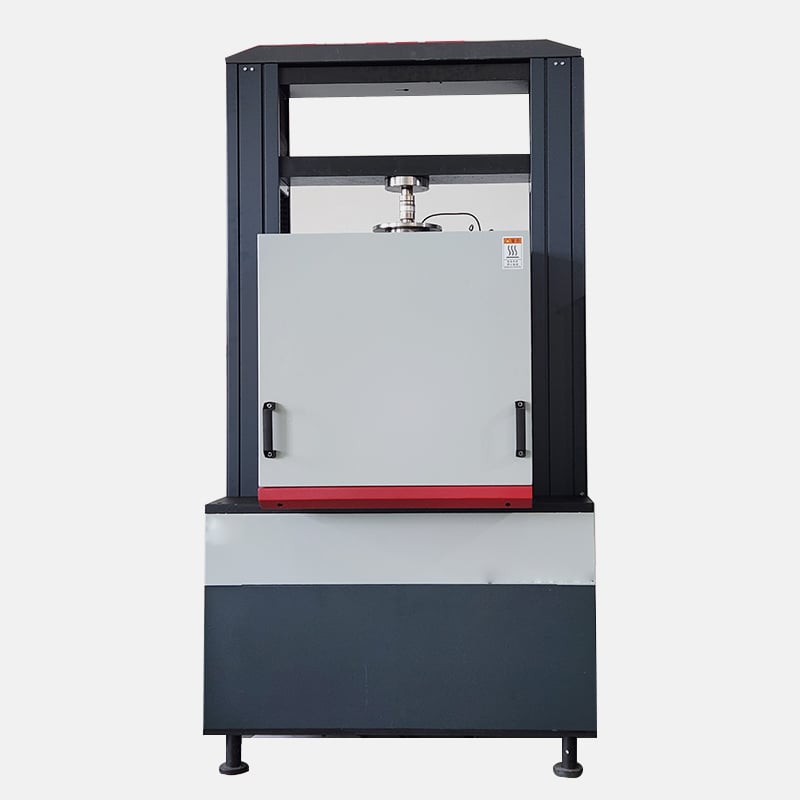
III. Brand and After-Sales Service Considerations:
A strong brand guarantees product quality, while excellent after-sales service is crucial for the long-term stable operation of the equipment. Choosing a reliable brand, such as Hert Instruments, not only ensures you get high-quality products but also comprehensive after-sales service. For example, Hert Instruments provides excellent after-sales service, including pre-purchase technical solution design, free commissioning and installation, warranty, and maintenance.
IV. Consider Cost-Effectiveness
Cost-effectiveness is an indispensable factor when purchasing equipment. While ensuring performance, optimizing supply chain management to control costs provides customers with high-performance options. For example, some brands reduce production and maintenance costs through technological innovation and modular design, thus improving cost-effectiveness. When choosing, compare the prices and performance of different brands and models to find the right equipment for your needs.
This concludes the guide to choosing a high-performance, cost-effective high-temperature flexural strength testing machine. It's important to consider not only performance and price but also your own needs, technical parameters, brand reputation, and after-sales service. We hope this information helps you choose the right product for your needs, bringing convenience and efficiency to your work. Please feel free to contact us or leave a message if needed!
Recommended Products





Hot News
-
Across Continents, A Shared Pursuit of Precision | Zimbabwe ZMF Client Visits JZJ TEST to Inspect Containerized Sample Preparation + Fire Assay + Analysis System
2026-09-30
-
Ethiopia Fire Assay Experiment 4: Sample Fusion, Cupellation, and Tool Set—Achieving precise enrichment and witnessing the "rebirth through fire" of precious metals.
2026-08-31
-
Daily Maintenance and Care of a Refractoriness under Load and Creep Tester
2026-08-27
-
Revolutionizing Lab Efficiency: How the HNJC-T4A Redefines XRF Sample Preparation
2026-08-10
-
How to extend the service life of a high-temperature creep tester? Factors affecting service life.
2026-07-21
-
How do you choose the right high-temperature creep tester for softening under load?
2026-07-09
-
A Powerful Partnership: Eritrea Gold Mining Company Adopts Advanced JZJ TEST Fire Assay Equipment, Driving New Standards in Gold Refining and Testing
2026-07-02
-
Overseas Testing Capabilities Upgraded: China 15MCC’s Indonesian Subsidiary Introduces Full-Scale Fire Assay Equipment
2026-06-15
-
From Powder to Data: Unveiling the Secrets of the Perfect Pairing of Fusion Sample Analyzer and Spectrometer for Elemental Analysis
2026-06-09
-
Spanning Ten Thousand Miles, Quality Verified | JZJ TEST Fire Assay Laboratory Equipment Successfully Delivered to Russian Client
2026-05-26


