
 EN
EN
 AR
AR
 BG
BG
 FR
FR
 DE
DE
 HI
HI
 IT
IT
 PL
PL
 PT
PT
 RU
RU
 ES
ES
 TL
TL
 IW
IW
 ID
ID
 UK
UK
 VI
VI
 TH
TH
 TR
TR
 FA
FA
 MS
MS
 UR
UR
 BN
BN
 KM
KM
 LO
LO
 PA
PA
 MY
MY
 KK
KK
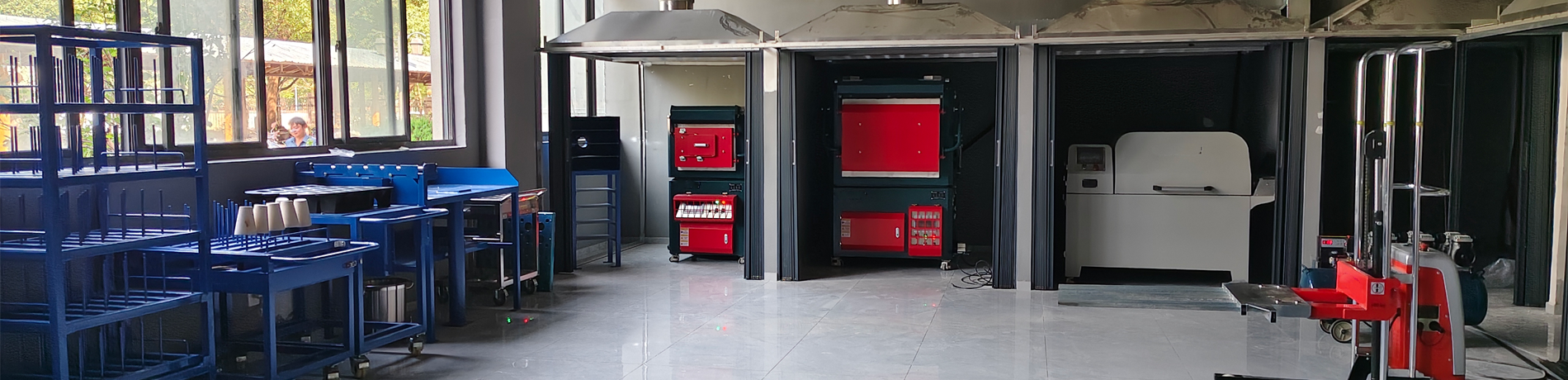
Guía de operación de la máquina de ensayo de flexión a alta temperatura: Incluso los principiantes pueden comenzar fácilmente.
En los laboratorios de ciencia de materiales, las máquinas de ensayo de flexión a alta temperatura son herramientas esenciales para estudiar las propiedades mecánicas de los materiales a altas temperaturas. Para principiantes, enfrentarse a equipos complejos y procedimientos operativos puede resultar abrumador. No se preocupe, esta guía completa para la operación de una máquina de ensayo de flexión a alta temperatura le guiará paso a paso, permitiéndole familiarizarse fácilmente con el equipo y dominar rápidamente los aspectos esenciales de su operación.
Guía completa para la operación de una máquina de ensayo de flexión a alta temperatura
I. Descripción general del equipo y precauciones de seguridad
Antes de operar oficialmente la máquina de ensayo de flexión a alta temperatura, es fundamental comprender exhaustivamente el equipo. La máquina de ensayo de flexión a alta temperatura consta principalmente de un bastidor principal, un sistema de calentamiento, un sistema de medición de fuerza, un dispositivo de sujeción y un sistema de control. El bastidor principal constituye la estructura principal del equipo y soporta las piezas mecánicas de todo el proceso de ensayo; el sistema de calentamiento proporciona un entorno de alta temperatura, simulando las condiciones de trabajo a alta temperatura del material en aplicaciones reales; el sistema de medición de fuerza se encarga de medir la resistencia a la flexión y otras propiedades mecánicas del material a altas temperaturas; el dispositivo de sujeción se utiliza para fijar la muestra, garantizando la estabilidad de su posición durante el ensayo; y el sistema de control es el «cerebro» de todo el equipo, utilizado para configurar los parámetros del ensayo, controlar el proceso de ensayo y recopilar los datos.
La seguridad es el requisito previo fundamental para operar una máquina de ensayo de flexión a alta temperatura. Dado que el equipo implica altas temperaturas y cargas mecánicas, durante su operación deben seguirse estrictamente los procedimientos de seguridad. Antes de la operación, asegúrese de usar equipo de protección personal, como guantes resistentes al calor y gafas de seguridad, para prevenir quemaduras y lesiones accidentales. Verifique el área circundante en busca de materiales inflamables y explosivos, a fin de garantizar un entorno de ensayo seguro. Asimismo, familiarícese con la ubicación del botón de parada de emergencia para poder detener rápidamente la máquina en caso de emergencia, evitando así daños al equipo y lesiones personales.
II. Preparativos previos al ensayo
Los preparativos previos a la prueba son fundamentales para garantizar el correcto desarrollo de la misma. En primer lugar, compruebe que todos los componentes de la máquina de ensayo funcionan correctamente. Encienda el equipo y verifique que el sistema de calefacción se calienta adecuadamente, que el sistema de medición de fuerza esté en cero y que el dispositivo de sujeción esté instalado de forma segura. Si se detecta alguna anomalía, póngase inmediatamente en contacto con el personal de mantenimiento del equipo para su inspección y reparación; no intente operar el equipo de forma forzada.
A continuación, prepare la muestra según los requisitos de ensayo. Las dimensiones y la forma de la muestra deben cumplir con las normas pertinentes o con los requisitos experimentales, y normalmente requieren una medición y un mecanizado precisos. Al instalar la probeta, asegúrese de que se coloque en la posición correcta en el dispositivo de sujeción. La fuerza de sujeción del dispositivo debe ser moderada: debe garantizar que la probeta no se afloje durante el ensayo, pero también debe evitar daños causados por una fuerza de sujeción excesiva. Al mismo tiempo, configure los parámetros de ensayo adecuados según el material y el objetivo del ensayo, incluidas la temperatura de calentamiento, la velocidad de calentamiento y la velocidad de carga. Estos parámetros deben establecerse conforme a las normas pertinentes o a los procedimientos experimentales para garantizar la exactitud y la repetibilidad de los resultados del ensayo.

III. Procedimiento de operación del ensayo
Una vez que todo esté listo, puede comenzar la operación de ensayo. En primer lugar, inicie el equipo y comience el calentamiento según los parámetros establecidos. Durante el calentamiento, observe atentamente los cambios de temperatura del sistema de calefacción para asegurar que la temperatura aumente de forma constante a la velocidad predeterminada y alcance la temperatura de ensayo establecida. Una vez que la temperatura se estabilice, inicie la operación de carga. Aplique lentamente la carga mediante el sistema de control, observando la deformación de la probeta y las lecturas del sistema de medición de fuerza. Durante todo el proceso de ensayo, mantenga la concentración y esté preparado para abordar cualquier anomalía potencial, como la fractura de la probeta o un fallo del equipo.
Cuando la probeta alcanza su límite de resistencia y se fractura, finaliza el ensayo. En este momento, registre los datos clave del proceso de ensayo, como la carga en el momento de la fractura y la cantidad de deformación. Estos datos se utilizarán para el análisis y los cálculos posteriores con el fin de determinar indicadores de rendimiento, como la resistencia a la flexión del material a altas temperaturas. Tras finalizar el ensayo, no apague inmediatamente el equipo; espere a que el sistema de calentamiento se enfríe de forma natural hasta una temperatura segura para evitar lesiones al equipo y al personal debidas a las altas temperaturas.
IV. Procesamiento de datos y mantenimiento del equipo
Una vez finalizada la prueba, el procesamiento de los datos constituye un paso crucial para verificar los resultados de la prueba. Importe los datos recopilados en un software profesional de análisis de datos para su organización y análisis. En función del objetivo de la prueba, calcule parámetros de rendimiento tales como la resistencia a la flexión a alta temperatura y el módulo de elasticidad del material, y compárelos con los valores teóricos o normativos para evaluar la precisión de los resultados de la prueba. Si se detectan anomalías en los datos, analice sus causas y, si es necesario, repita la prueba.
Al mismo tiempo, no se debe descuidar el mantenimiento y la conservación del equipo. Después de cada ensayo, limpie e inspeccione el equipo. Limpie cualquier residuo presente en el horno de calentamiento para evitar que afecte al efecto de calentamiento del siguiente ensayo. Compruebe los componentes mecánicos del equipo en busca de desgaste o aflojamiento, y realice el mantenimiento y el apriete correspondientes según sea necesario. Calibre y mantenga periódicamente el equipo para garantizar su funcionamiento estable a largo plazo. Un buen mantenimiento del equipo no solo prolonga la vida útil del equipo, sino que también garantiza la fiabilidad de los resultados de los ensayos.
Productos recomendados





Noticias destacadas
-
A través de continentes, una búsqueda compartida de precisión | Clientes de la Federación de Mineros de Zimbabue (ZMF) visitan JZJ TEST para inspeccionar el sistema portátil de preparación de muestras, ensayo al fuego y análisis
2026-09-30
-
Etiopía Experimento de ensayo al fuego 4: Fusión de muestras, copelación y juego de herramientas: logrando un enriquecimiento preciso y presenciando el "renacimiento mediante el fuego" de los metales preciosos.
2026-08-31
-
Mantenimiento y cuidado diarios de un equipo de ensayo de refractariedad bajo carga y fluencia
2026-08-27
-
Revolutionando la eficiencia en el laboratorio: cómo el HNJC-T4A redefine la preparación de muestras para XRF
2026-08-10
-
¿Cómo prolongar la vida útil de un ensayador de fluencia a alta temperatura? Factores que afectan la vida útil.
2026-07-21
-
¿Cómo se elige el ensayador adecuado de fluencia a altas temperaturas para la ablandamiento bajo carga?
2026-07-09
-
Una asociación poderosa: la Compañía Minera de Oro de Eritrea adopta equipos avanzados de ensayo al fuego JZJ TEST, impulsando nuevos estándares en la refinación y el análisis del oro
2026-07-02
-
Capacidades de Pruebas en el Extranjero Mejoradas: La filial indonesia de China 15MCC introduce equipos integrales de ensayo por fusión
2026-06-15
-
Del polvo a los datos: Revelando los secretos de la combinación perfecta entre el analizador de muestras por fusión y el espectrómetro para análisis elemental
2026-06-09
-
Cubriendo diez mil kilómetros, calidad verificada | Equipamiento de laboratorio para ensayos al fuego JZJ TEST entregado con éxito a un cliente ruso
2026-05-26


