
 EN
EN
 AR
AR
 BG
BG
 FR
FR
 DE
DE
 HI
HI
 IT
IT
 PL
PL
 PT
PT
 RU
RU
 ES
ES
 TL
TL
 IW
IW
 ID
ID
 UK
UK
 VI
VI
 TH
TH
 TR
TR
 FA
FA
 MS
MS
 UR
UR
 BN
BN
 KM
KM
 LO
LO
 PA
PA
 MY
MY
 KK
KK
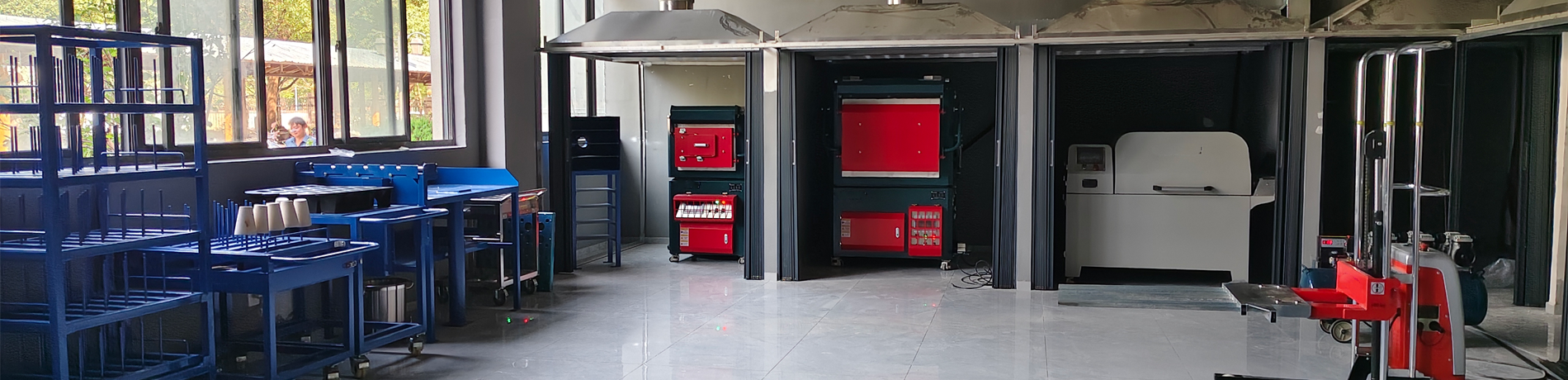
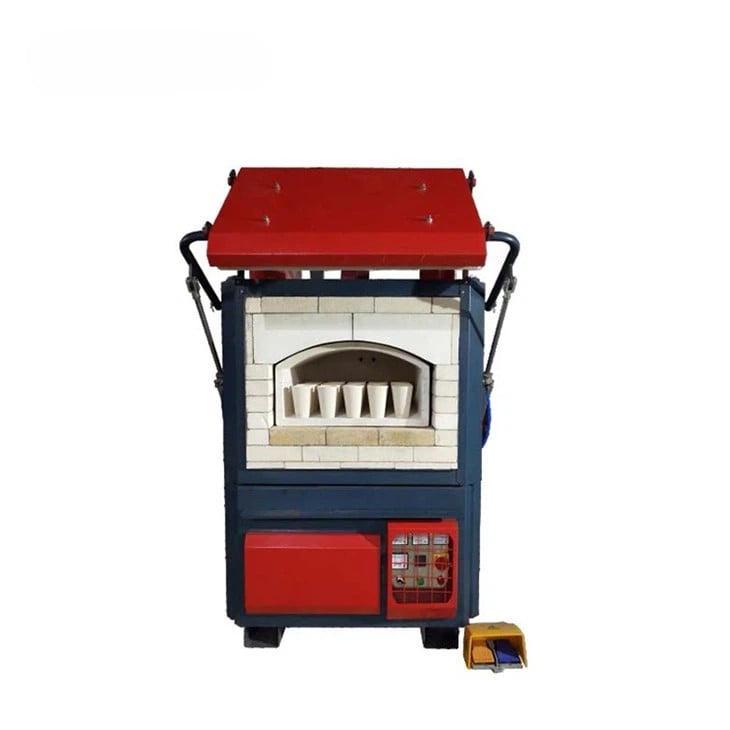
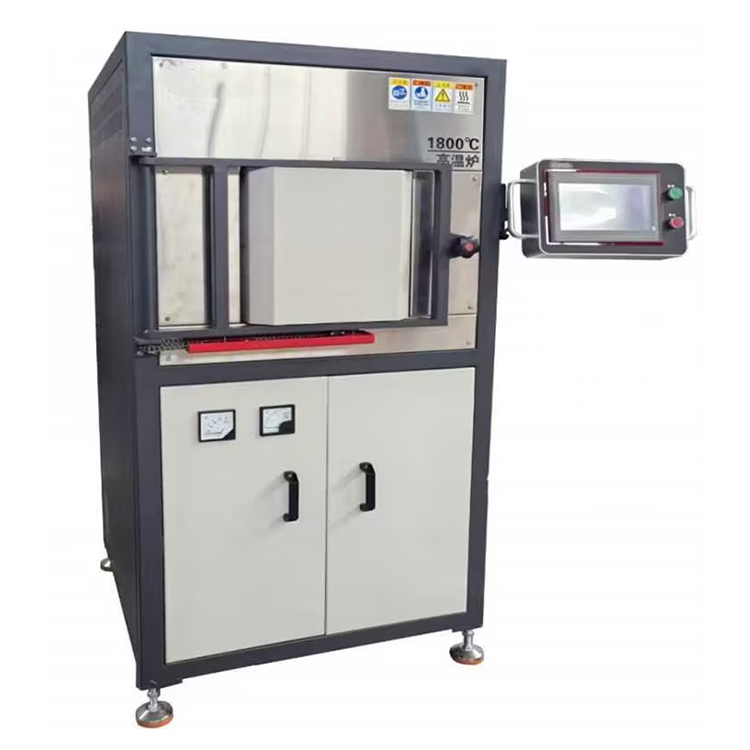
Let you know about fire assay ash blowing furnace
Fire assay furnaces are a traditional metal material testing method used to determine the purity of precious metals such as gold. Their principle is based on the differences in temperature and oxidation resistance between precious metals and other impurity metals. First, a precious metal sample is placed in a furnace and heated to a high temperature. A certain amount of assay ash (primarily composed of oxides of metals such as silver, copper, and iron) is then added. Air is blown into the furnace using a blowpipe to burn the sample. By observing the color change of the sample and the reaction of the assay ash, the purity of the precious metal sample and the types and contents of impurities present are determined.
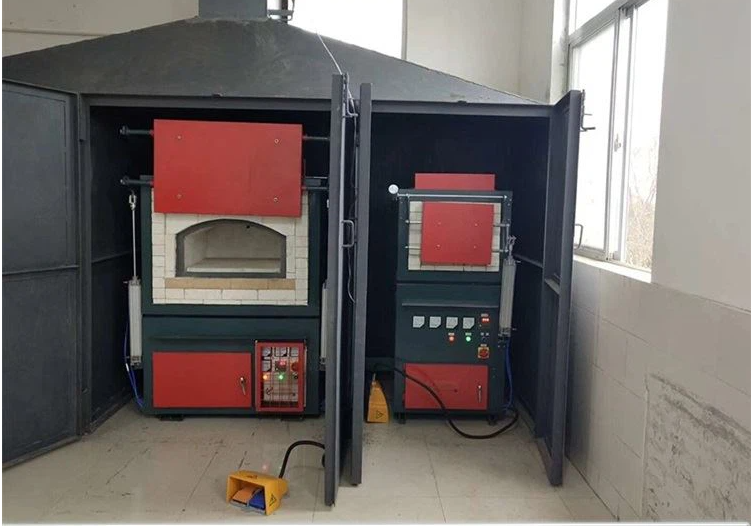
Fire assay furnaces are commonly used in metal analysis laboratories. Their function is to decompose the sample at high temperatures and then determine the specific elements present. The following points should be noted when using this tool.
When using a fire assay furnace, a dedicated person must be on duty and must not leave the laboratory during operation to prepare for emergencies. When using a fire assay furnace, the temperature must be controlled according to the test requirements to avoid dangerous overheating. Furthermore, improper operation during heating should be avoided, as it could cause a sudden temperature rise. When conducting experiments using a fire assay furnace, proper containers and reagents must be used. Using inappropriate materials can easily lead to explosions and other hazards. Good ventilation should be maintained during fire assay furnace experiments to prevent the leakage of hazardous substances such as smoke and toxic gases, which could harm the health of laboratory personnel.
When conducting fire assay furnace experiments, personal safety precautions should be taken, such as wearing protective glasses and keeping the work surface dry to prevent slips and falls. These precautions can ensure the safe and effective use of a fire assay furnace. In short, it is imperative to adhere to laboratory rules and regulations and strictly follow the prescribed experimental procedures to ensure smooth and safe experiments.
Recommended Products





Hot News
-
MOREMINE (Saudi Arabia) Partners with JZJ TEST to Deploy Custom Mobile Containerized Sample Preparation & Analysis Laboratory
2026-10-22
-
Across Continents, A Shared Pursuit of Precision | Zimbabwe ZMF Client Visits JZJ TEST to Inspect Containerized Sample Preparation + Fire Assay + Analysis System
2026-09-30
-
Ethiopia Fire Assay Experiment 4: Sample Fusion, Cupellation, and Tool Set—Achieving precise enrichment and witnessing the "rebirth through fire" of precious metals.
2026-08-31
-
Daily Maintenance and Care of a Refractoriness under Load and Creep Tester
2026-08-27
-
Revolutionizing Lab Efficiency: How the HNJC-T4A Redefines XRF Sample Preparation
2026-08-10
-
How to extend the service life of a high-temperature creep tester? Factors affecting service life.
2026-07-21
-
How do you choose the right high-temperature creep tester for softening under load?
2026-07-09
-
A Powerful Partnership: Eritrea Gold Mining Company Adopts Advanced JZJ TEST Fire Assay Equipment, Driving New Standards in Gold Refining and Testing
2026-07-02
-
Overseas Testing Capabilities Upgraded: China 15MCC’s Indonesian Subsidiary Introduces Full-Scale Fire Assay Equipment
2026-06-15
-
From Powder to Data: Unveiling the Secrets of the Perfect Pairing of Fusion Sample Analyzer and Spectrometer for Elemental Analysis
2026-06-09


