
 EN
EN
 AR
AR
 BG
BG
 FR
FR
 DE
DE
 HI
HI
 IT
IT
 PL
PL
 PT
PT
 RU
RU
 ES
ES
 TL
TL
 IW
IW
 ID
ID
 UK
UK
 VI
VI
 TH
TH
 TR
TR
 FA
FA
 MS
MS
 UR
UR
 BN
BN
 KM
KM
 LO
LO
 PA
PA
 MY
MY
 KK
KK
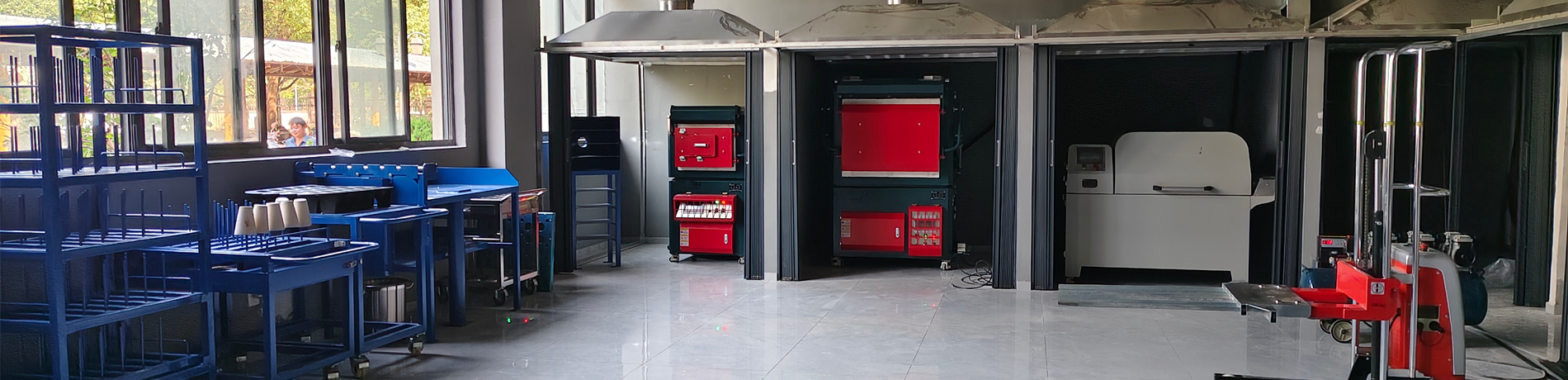
Daily maintenance of high-temperature flexural strength testing machines: secrets to extending equipment lifespan
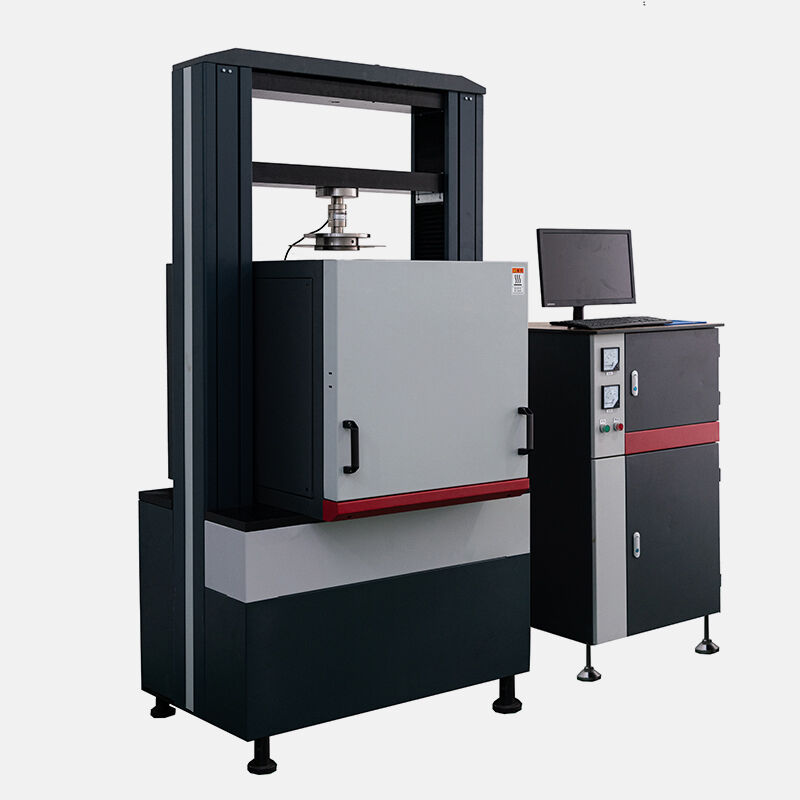
In materials science and industrial production, high-temperature flexural strength testing machines are indispensable equipment. They are used to test the flexural strength of materials under high-temperature conditions, providing important data for material performance evaluation and quality control. However, to ensure the long-term stable operation of the testing machine and obtain accurate and reliable test results, routine maintenance of the high-temperature flexural strength testing machine is crucial.
Tips for Routine Maintenance of High-Temperature Flexural Strength Testing Machines
1. Cleaning and Dust Prevention
Daily maintenance of the high-temperature flexural strength testing machine begins with cleaning and dust prevention. During use, the machine will come into contact with various material dusts, oil stains, and airborne dust. Excessive accumulation of these impurities will not only affect the appearance of the equipment but also adversely affect its internal mechanical components and sensors. For example, dust may clog thermal aisles, leading to poor heat dissipation during operation, thus affecting its performance and lifespan. Therefore, it is necessary to regularly wipe the surface of the equipment with a clean, soft cloth to clean dust and debris from inside the testing machine. Special care should be taken with critical parts such as sensors and heating elements; avoid using excessively damp cloths to prevent short circuits or other damage.
2. Regular Inspection and Calibration
Regular inspection and calibration are core aspects of the daily maintenance of the high-temperature flexural strength testing machine. Over time, the mechanical parts of the testing machine may experience wear and loosening, which can affect the accuracy of test results. Therefore, it is necessary to regularly inspect the mechanical components of the equipment, such as clamps and transmission devices, to ensure they are in good working order. Simultaneously, the electrical system of the equipment, including the control system and sensors, must also be thoroughly inspected to check for problems such as aging wiring and poor connections. Furthermore, regular calibration of the testing machine is crucial to ensuring testing accuracy. Because high-temperature environments and frequent use can cause changes in the equipment's measurement accuracy, it is essential to periodically compare and calibrate with standard samples according to the equipment manual to ensure the equipment provides accurate test data.
3. Lubrication and Maintenance
Lubrication is an often overlooked but crucial aspect of the daily maintenance of high-temperature resistance testing machines. The mechanical parts of the equipment generate friction during operation. Without proper lubrication, wear will accelerate, reducing the equipment's service life. Therefore, it is essential to specify the lubrication treatment for parts requiring lubrication according to the equipment manual. Selecting appropriate lubricating oils or greases is very important, as different parts may have different lubrication requirements. For example, some high-quality parts require high-temperature resistant lubricants to ensure good lubrication even in high-temperature environments. At the same time, attention must be paid to the amount of lubricant used, avoiding both excessive and insufficient amounts. Excessive lubricant may cause internal contamination of the equipment. Insufficient lubrication will not provide effective lubrication.
4. Environmental Control
High-temperature flexural strength testing machines have specific environmental requirements. Good environmental conditions can effectively extend the service life of the equipment. First, the equipment should be placed in a well-ventilated environment with suitable temperature and humidity. Excessively high or low temperatures and humidity may adversely affect the performance of the equipment. High-temperature environments may accelerate the aging of internal components, while low-temperature environments may cause rust or electrical faults. Furthermore, the testing machine should not be placed in environments with strong magnetic fields, strong vibrations, or corrosive gases, as these factors may interfere with normal operation or damage the equipment.
5. Records and Training
Comprehensive maintenance records and personnel training are also important components of the daily maintenance of high-temperature flexural strength testing machines. After each maintenance, inspection, or calibration, detailed records should be kept, including the maintenance time, content, problems found, and solutions. These records not only help us understand the historical condition of the equipment but also provide a reference for future maintenance work. At the same time, regular training should be provided to personnel operating and maintaining the equipment. Ensuring their familiarity with the equipment's structure, principles, and operating procedures, and mastering correct maintenance methods and precautions, is crucial for better use and maintenance, preventing damage due to improper operation or inadequate maintenance.
Through the above-mentioned routine maintenance measures for the high-temperature flexural strength testing machine, we can effectively extend its service life, ensuring long-term stable operation and providing accurate and reliable test results. Routine maintenance of the high-temperature flexural strength testing machine is a long-term and meticulous task, requiring sufficient effort and time. Only in this way can we fully realize the equipment's value and provide strong support for materials science research and industrial production. Please feel free to contact us by phone or leave a message if needed!
Recommended Products




Hot News
-
Spanning Ten Thousand Miles, Quality Verified | JZJ TEST Fire Assay Laboratory Equipment Successfully Delivered to Russian Client
2026-05-26
-
How is the temperature control accuracy of the high-temperature load softening tester?
2026-05-12
-
The Critical Role of Flat-Plate Thermal Conductivity Analyzers in the R&D of New Energy Materials
2026-04-30
-
The Working Principle and Significance of the High-Temperature Load Softening and Creep Tester
2026-04-22
-
What are the cleaning and storage techniques for high-temperature creep testers?
2026-04-16
-
Fire Assay Cupellation Furnace: Principles and Applications
2026-04-09
-
How to Choose the Right Flat-Plate Thermal Conductivity Tester: A Buying Guide and Recommendations
2026-03-25
-
Assessment of the Accuracy of Test Results from Refractoriness Test Furnaces
2026-03-16
-
Daily maintenance of high-temperature flexural strength testing machines: secrets to extending equipment lifespan
2026-03-07
-
Crossing mountains and seas, refining true gold—Nanyang JZJ Testing Equipment Co., Ltd.'s fire-testing furnaces are exported to Africa, contributing to the new development of the mining industry.
2026-02-27


