
 EN
EN
 AR
AR
 BG
BG
 FR
FR
 DE
DE
 HI
HI
 IT
IT
 PL
PL
 PT
PT
 RU
RU
 ES
ES
 TL
TL
 IW
IW
 ID
ID
 UK
UK
 VI
VI
 TH
TH
 TR
TR
 FA
FA
 MS
MS
 UR
UR
 BN
BN
 KM
KM
 LO
LO
 PA
PA
 MY
MY
 KK
KK
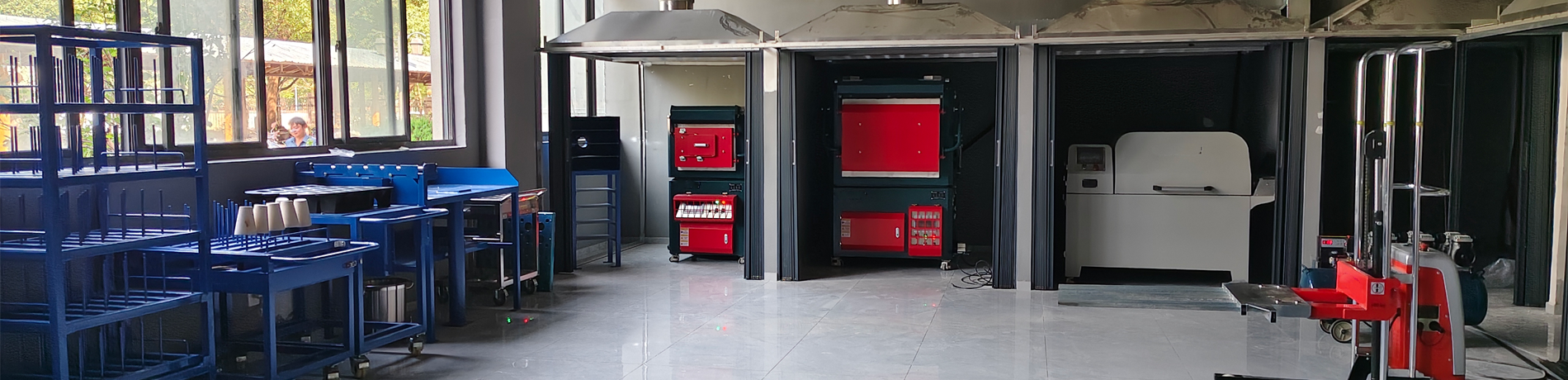
Ключевая роль анализаторов теплопроводности плоских пластин в НИОКР новых энергетических материалов
С учетом непрерывного роста мирового спроса на энергоресурсы и усиления внимания к охране окружающей среды исследования и разработки (R&D) новых энергетических материалов превратились в ключевую область, стимулирующую устойчивое развитие. В этом процессе плоскопараллельный измеритель теплопроводности — важнейшее оборудование для оценки тепловых свойств — играет незаменимую роль. Ключевая функция плоскопараллельного измерителя теплопроводности в R&D новых энергетических материалов проявляется не только в его способности точно измерять базовые физические свойства материалов, но, что еще важнее, в предоставлении жизненно необходимых данных и технических гарантий для оптимизации конструкции материалов и их практического применения. Сегодня давайте подробнее рассмотрим эту тему!
Ключевая роль плоскопараллельных измерителей теплопроводности в R&D новых энергетических материалов
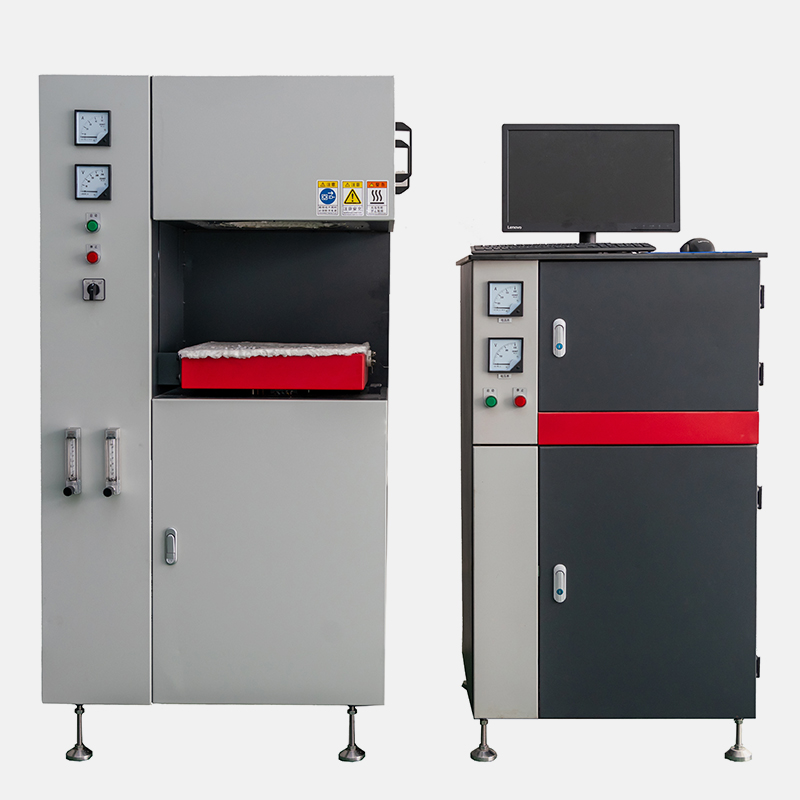
I. Точное измерение теплопроводности
Тепловые характеристики новых энергетических материалов являются ключевым показателем их потенциала для эффективного применения. Например, при НИОКР литий-ионных аккумуляторов теплопроводность материалов аккумулятора напрямую влияет на эффективность отвода тепла и безопасность аккумулятора. Благодаря точному измерению теплопроводности материала плоскопараллельный измеритель теплопроводности позволяет исследователям оценить его способность проводить тепло. Материалы с высокой теплопроводностью способны быстро рассеивать тепло, предотвращая тем самым возникновение угроз безопасности — таких как тепловый разгон — из-за накопления тепла в процессе зарядки и разрядки аккумулятора. С помощью испытаний на плоскопараллельном измерителе теплопроводности исследователи могут выявлять материалы, соответствующие конкретным требованиям систем теплового управления аккумуляторов, оптимизировать конструктивное исполнение аккумулятора и повысить его общую производительность и срок службы.
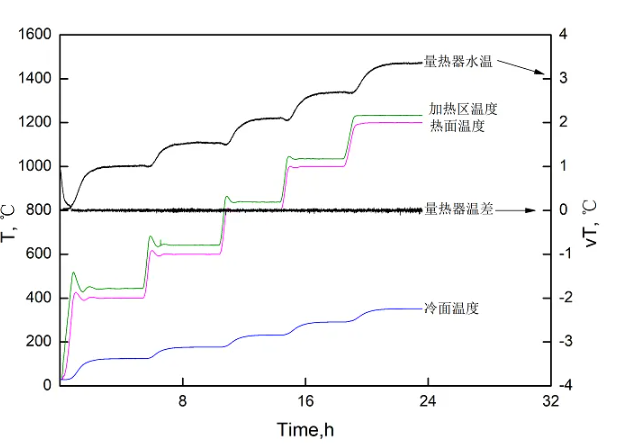
II. Ускорение НИОКР материалов для систем теплового управления
В таких областях, как новые энергетические транспортные средства и солнечные фотогальванические элементы, НИОКР материалов для теплового управления играет ключевую роль в повышении эффективности и стабильности систем. Плоскопараллельный измеритель теплопроводности обеспечивает важную техническую поддержку при разработке этих материалов. Например, при создании теплоотводящих материалов для солнечных фотогальванических панелей данный прибор позволяет точно измерять теплопроводность различных комбинаций материалов, что способствует выбору оптимального теплоотводящего материала. Такие материалы эффективно снижают рабочую температуру фотогальванических панелей, повышают эффективность фотоэлектрического преобразования и увеличивают срок службы панелей. Высокая точность измерений, обеспечиваемая плоскопараллельным измерителем теплопроводности, позволяет исследователям выявлять незначительные различия в эксплуатационных характеристиках материалов — даже при минимальных вариациях теплопроводности — и тем самым стимулирует непрерывные инновации и оптимизацию в области материалов для теплового управления.
III. Ускорение отбора и оптимизации материалов
НИОКР новых энергетических материалов часто требуют проведения обширных экспериментов и испытаний. Плоские анализаторы теплопроводности позволяют быстро и точно измерять тепловые свойства материалов, тем самым ускоряя процессы отбора и оптимизации материалов. При разработке высокопроизводительных материалов для накопления энергии исследователям необходимо выбирать образцы с превосходной теплопроводностью из большого числа возможных вариантов. Плоские анализаторы способны оперативно предоставлять данные о теплопроводности материала, помогая исследователям быстро оценивать его тепловые характеристики и, как следствие, сокращать время и затраты на эксперименты. Кроме того, эти приборы могут использоваться для изучения того, как тепловые свойства материалов изменяются при различных температурах и условиях окружающей среды, обеспечивая комплексную информационную поддержку при оптимизированном проектировании материалов.
IV. Поддержка исследований долгосрочной стабильности материалов
Новые энергетические материалы требуют высокой долговременной стабильности для практических применений. Плоские анализаторы теплопроводности играют ключевую роль в исследованиях, посвящённых этой долговременной стабильности. Проводя продолжительные испытания тепловых характеристик, исследователи могут наблюдать, как изменяются тепловые свойства материала при различных температурах и условиях окружающей среды, что позволяет оценить его долговременную стабильность. Например, при изучении высокотемпературных материалов, предназначенных для топливных элементов, плоский анализатор способен непрерывно отслеживать изменения теплопроводности при повышенных температурах, помогая исследователям выявлять явления термической деградации, происходящие в таких высокотемпературных условиях. Такой долговременный мониторинг тепловых характеристик создаёт критически важную основу для улучшения и оптимизации материалов, обеспечивая их надёжность и стабильность в реальных условиях эксплуатации.
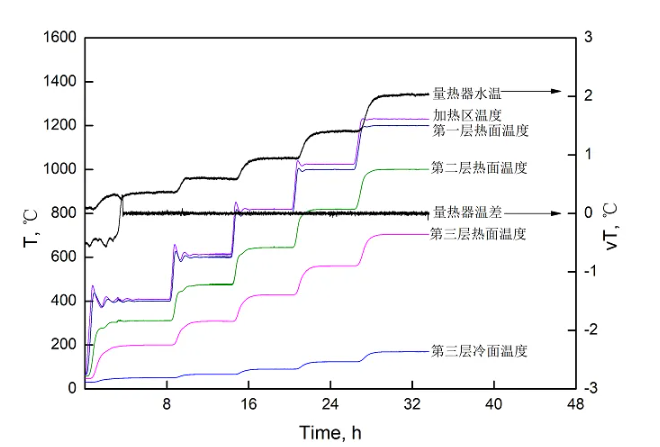
V. Содействие стандартизации и регулированию новых энергетических материалов
С быстрым расширением рынка новых энергетических материалов стандартизация и регулирование материалов становятся ключевыми тенденциями в развитии отрасли. Плоские анализаторы теплопроводности играют важную роль в этом процессе. Благодаря точному измерению теплопроводности материала эти приборы устанавливают единый стандарт оценки эксплуатационных характеристик материалов. Такие стандартизированные методы испытаний обеспечивают сопоставимость данных между различными лабораториями и предприятиями, способствуя здоровому развитию отрасли новых энергетических материалов. Кроме того, при разработке национальных стандартов для материалов литий-ионных аккумуляторов данные, полученные с помощью плоских анализаторов, служат важной исходной основой, гарантируя соответствие тепловых свойств материалов установленным отраслевым нормативам. Такой подход к стандартизированным испытаниям не только способствует повышению качества и безопасности материалов, но и облегчает их широкое внедрение и продвижение на рынке. В заключение, ключевая роль теплового потокомера в научных исследованиях и разработках новых энергетических материалов многогранна: от точного измерения теплопроводности материалов до разработки инновационных материалов для теплового управления; от ускорения широкого отбора и оптимизации материалов до поддержки исследований долгосрочной стабильности; и, наконец, до содействия стандартизации и регулированию новых энергетических материалов. Таким образом, тепловой потокомер обеспечивает комплексную техническую поддержку НИОКР в области новых энергетических материалов. По мере дальнейшего развития технологий новых источников энергии тепловой потокомер останется незаменимым инструментом в области исследований материалов, оказывая надежную поддержку достижению целей устойчивого энергетического развития. Если у вас возникнут дополнительные вопросы, пожалуйста, свяжитесь с нами по телефону или оставьте нам сообщение!
Рекомендуемые товары





Свежие новости
-
Через континенты — общее стремление к точности | Клиент из Зимбабвийской федерации горняков (ZMF) посетил JZJ TEST для осмотра контейнеризированной системы подготовки проб + огневого анализа + анализа
2026-09-30
-
Эксперимент по огневому анализу в Эфиопии, часть 4: плавка проб, купелирование и набор инструментов — достижение точного обогащения и наблюдение «возрождения через огонь» драгоценных металлов.
2026-08-31
-
Ежедневное техническое обслуживание и уход за прибором для определения огнеупорности при нагрузке и ползучести
2026-08-27
-
Революция в лабораторной эффективности: как HNJC-T4A переопределяет подготовку образцов для рентгенофлуоресцентного анализа (XRF)
2026-08-10
-
Как продлить срок службы высокотемпературного прибора для испытаний на ползучесть? Факторы, влияющие на срок службы.
2026-07-21
-
Как выбрать подходящий высокотемпературный прибор для испытаний на ползучесть при нагреве под нагрузкой?
2026-07-09
-
Мощное партнерство: Горнодобывающая компания Эритреи внедряет передовое оборудование для огневого анализа JZJ TEST, устанавливая новые стандарты в области рафинирования и анализа золота
2026-07-02
-
Повышение возможностей испытаний за рубежом: индонезийское дочернее предприятие China 15MCC внедряет полномасштабное оборудование для огневого анализа
2026-06-15
-
От порошка к данным: раскрываем секреты идеального сочетания анализатора проб методом плавления и спектрометра для элементного анализа
2026-06-09
-
Охватывая десять тысяч миль, качество подтверждено | Лабораторное оборудование для огневого анализа JZJ TEST успешно доставлено российскому клиенту
2026-05-26


