
 EN
 AR
 BG
 FR
 DE
 HI
 IT
 PL
 PT
 RU
 ES
 TL
 IW
 ID
 UK
 VI
 TH
 TR
 FA
 MS
 UR
 BN
 KM
 LO
 PA
 MY
 KK
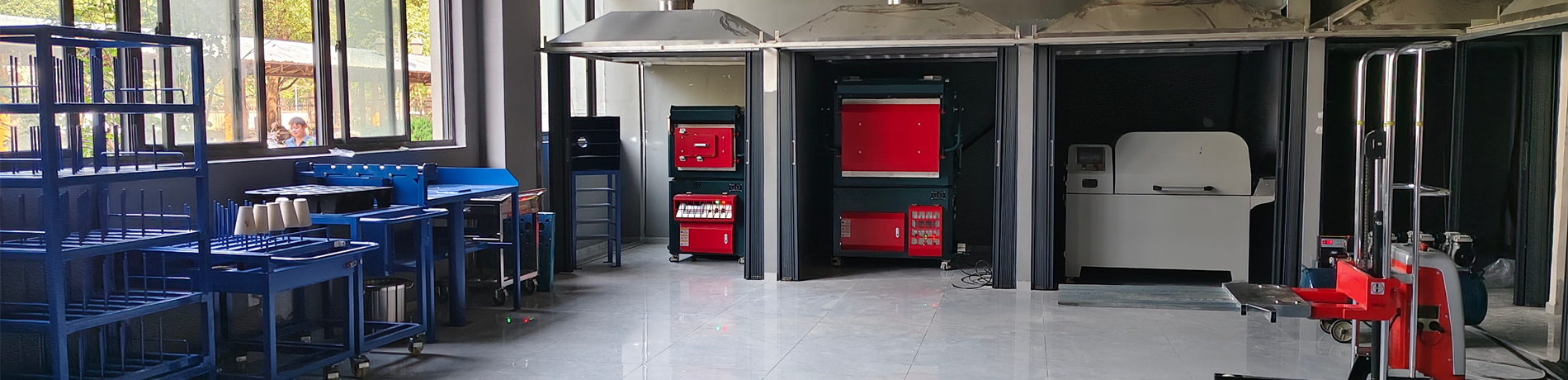
Direct-Reading Spectrometers vs. Sample Fusion Machines: Understanding the Key Differences and Selection Strategies for These Two Essential Laboratory Instruments
[Executive Summary] When establishing or upgrading a materials analysis laboratory, procurement managers and laboratory engineers often ask: "What exactly is the difference between a direct-reading spectrometer and a sample fusion machine? Which one should we choose for our specific testing requirements?" This article provides an in-depth analysis—covering equipment purpose, operating principles, application scenarios, and workflows—to clarify the fundamental distinctions between the two and offer a scientific, efficient guide for laboratory equipment selection.
I. Clarification of Concepts: Fundamental Differences Between Analytical Instruments and Sample Preparation Equipment
Those new to laboratory equipment often confuse these two categories. A common error, for instance, occurs during online searches, where users might misidentify a "Spark OES" (the industry-standard and academic term for "Spark Optical Emission Spectrometer") by using an incorrect name. In reality, these two types of equipment serve entirely different functions within the overall analytical workflow:
▪ A Spark Optical Emission Spectrometer (OES) is a standalone, fully automated elemental analysis instrument. It uses spark excitation directly on solid metal samples to rapidly—within seconds—determine the precise mass percentage of dozens of chemical elements.
▪ A Fusion Machine is a critical piece of sample preparation equipment. It does not perform elemental analysis itself; instead, it processes powdered samples—such as ores, cement, soil, or refractory materials—by melting them with a flux at temperatures reaching thousands of degrees. This creates a homogeneous, transparent "glass bead" (or fused bead), which serves as a high-precision specimen for analysis by X-ray Fluorescence (XRF) spectrometers or ICP instruments.
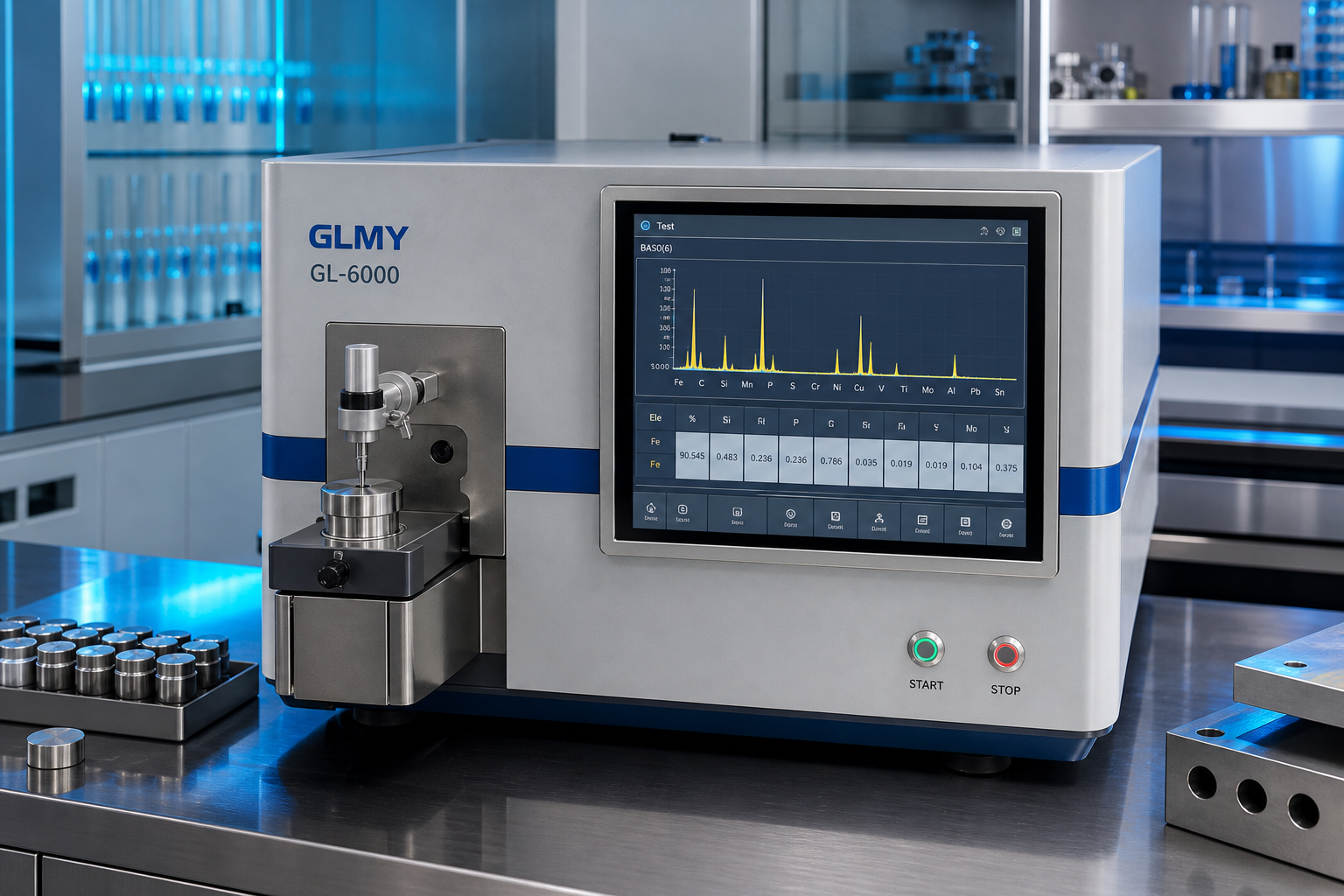
Figure 1: A spark optical emission spectrometer (Spark OES) used in a modern laboratory for the rapid quantitative analysis of the composition of metals and alloys.
II. In-depth Analysis of Core Operating Principles and Technical Features
1. Optical Emission Spectrometer (OES): Spark-Discharge Excitation for Rapid Atomic Emission Spectroscopic Analysis
▪ Operating Mechanism: In an argon-shielded environment, the instrument uses high-voltage, high-frequency electric sparks (or arcs) to bombard the surface of a metal sample, causing metal atoms to vaporize and reach an excited state. As these excited atoms return to their ground state, they emit characteristic spectral lines at specific wavelengths.
▪ Detection Process: A spectroscopic system disperses the composite light, which is then captured by high-sensitivity detectors (such as CCD/CMOS sensors or photomultiplier tubes—PMTs). The system then calculates the precise mass percentage of each element within just 5 to 20 seconds.
▪ Core Advantages: Extremely high speed; eliminates the need for chemical reagent digestion; and offers exceptional sensitivity to light non-metallic elements—such as carbon (C), sulfur (S), phosphorus (P), and nitrogen (N)—as well as trace alloying elements.
2. Fusion Machine: High-Temperature Melting for Eliminating Mineral Matrix Effects
▪ Operating Mechanism: When analyzing non-metallic powder samples—such as rocks, minerals, cement clinker, or refractory materials—direct pressing into pellets can lead to inaccuracies in XRF testing due to uneven particle size and mineral matrix effects. A fusion machine (such as our JZJ TEST series of fully automatic high-temperature fusion machines) utilizes advanced high-temperature electric or high-frequency induction heating to reach stable temperatures between 1000°C and 1200°C.
▪ Sample Preparation Process: Micron-sized sample powder is mixed with a flux (e.g., lithium tetraborate or lithium metaborate) in a platinum crucible. Through high-speed, dual-axis oscillation and precise temperature control, the mixture is completely melted and homogenized into a clear liquid. It is then automatically and smoothly cast and air-cooled to form a uniform, crack-free glass disk (fused bead). ▪ Core Advantages: Completely eliminates the "particle size effect" and "mineral phase effect," removes variations stemming from mineral structure, and significantly improves the repeatability, accuracy, and calibration linearity of XRF testing.
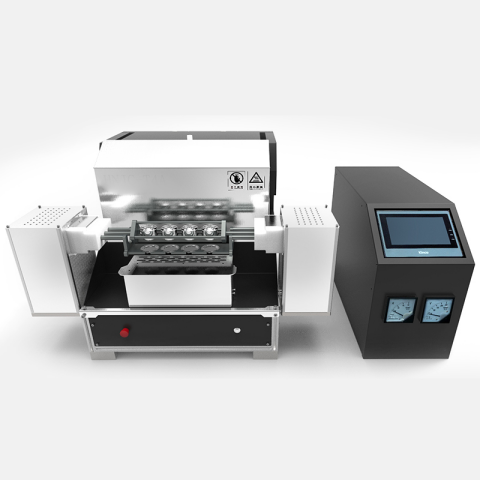
Figure 2: JZJ TEST Series Fully Automatic High-Temperature Fusion Machine (specialized equipment for XRF sample preparation and the production of homogeneous glass beads)
III. Overview Table: In-depth Comparison of Core Dimensions
|
Comparison Dimensions |
Spark Optical Emission Spectrometer (Spark OES) |
XRF High-Frequency / Electric Fusion Machine |
|
Equipment Attributes |
Analytical instrument (provides direct readout of chemical composition) |
Sample preparation equipment (for producing homogeneous glass beads) |
|
Primary Analytical Targets |
For conductive metals and alloys (e.g., iron/steel, aluminum, copper, zinc, titanium) |
For non-metallic materials and mineral powders (ores, cement, refractories, soil, slag, etc.) |
|
Testing/Sample Preparation Principle |
Utilizes high-voltage spark discharge to excite atoms for emission spectroscopy |
High-temperature borate fusion/vitrification method (eliminates particle size and mineralogical effects) |
|
Time Required |
Extremely fast (only 5–20 seconds per analysis) |
Approximately 10–25 minutes (includes heating, high-temperature fusion with agitation, casting, and cooling) |
|
Sample Pre-treatment Requirements |
Very simple preparation: requires only grinding and polishing the sample surface until smooth |
Requires grinding into an ultra-fine powder, precise weighing, and mixing with a flux in a specific ratio |
|
Sample Consumption/Loss |
Minimal-damage testing (leaves only a small, millimeter-scale discharge spot on the sample surface) |
Fully destructive process (sample and flux are completely melted into a homogeneous glass bead) |
|
Dependency on Ancillary Equipment/Supplies |
Standalone operation (requires only a supply of high-purity argon and a connection to a computer) |
Cannot provide analytical data on its own (must be used in conjunction with XRF or followed by acid dissolution for ICP analysis) |
|
Elements Best Suited for Analysis |
Highly effective for detecting trace light elements (such as C, S, P, N, and B) as well as major metallic constituents |
When paired with XRF, it is ideal for determining the concentrations of major and minor elemental oxides (e.g., SiO₂, Al₂O₃, Fe₂O₃, CaO, etc.) |
IV. Typical Application Scenarios and Industry Use Cases
Scenario A: Metal Smelting, Casting, and Machining — The Domain of Optical Emission Spectrometers (OES)
▪ Rapid On-site Analysis and Charge Control: Before tapping steel from electric arc furnaces, converters, or continuous casting tundishes, the proportions of alloying elements must be determined with extreme urgency. An OES can provide the chemical composition of the molten metal within 20 seconds, enabling operators to make precise alloy additions—significantly reducing scrap rates and energy consumption during the smelting process.
▪ Incoming Material Inspection and Finished Product Quality Assurance: In sectors such as mechanical manufacturing, automotive components, and fastener production, OES is used for Positive Material Identification (PMI) upon the arrival of special steels, copper rods, or aluminum castings, effectively preventing material mix-ups and the use of substandard alloys.
Scenario B: Geology, Minerals, Cement, Construction Materials, and Refractories — The Realm of Fusion Sample Preparation + XRF
▪ Geological Exploration and Mineral Grade Assessment: When conducting comprehensive elemental analysis (major and minor elements) of complex minerals—such as iron ore, bauxite, rare earths, fluorspar, or phosphate rock—the fusion method is employed to eliminate issues related to particle size heterogeneity and mineralogical phase interference. It is the recognized standard method for both national compliance and international arbitration.
▪ Quality Control for Cement Clinker and Ceramic Building Materials: XRF, combined with fusion sample preparation, enables high-precision, simultaneous multi-element quantification of incoming raw materials (e.g., limestone, clay) as well as kiln feed and clinker. This allows for strict monitoring of parameters such as the lime saturation factor, magnesium oxide (MgO) content, and sulfur trioxide (SO₃) levels, ensuring stable kiln operation and consistent cement strength.
V. A Powerful Combination:
When Is a "Synergistic Approach" Required? In large-scale, comprehensive industrial enterprises—such as integrated steel complexes, major non-ferrous metal smelting groups, or third-party testing and inspection centers—direct-reading optical emission spectrometers (OES) and fusion machines are not mutually exclusive alternatives; rather, they serve as a powerful, complementary duo, each leveraging its own unique strengths:
【Collaborative Workflow for a Modern Integrated Metallurgical Laboratory】
┌─ Metal Production Line ──> Spark OES ──> Rapid analysis of molten metal (pre-furnace) or finished metal grades (results in seconds)
└─ Raw Materials/By-products ──> High-temperature Fusion Machine ──> Preparation of glass beads ──> XRF Spectrometer ──> Comprehensive analysis of iron ore, refractories, or slag
▪ Metal Production Line (Composition Control): Spark OES is used to monitor rapid compositional fluctuations in molten steel, molten iron, and finished metal products, ensuring that the smelted material meets the required grade specifications.
▪ Raw Materials and By-products (Feedstock and Slag Control): Fusion machines process incoming raw materials—such as iron ore, pellets, and limestone flux—as well as by-products like steel slag or granulated slag, converting them into high-quality glass beads. These are then analyzed via XRF (X-ray fluorescence) spectrometry, which provides comprehensive quantitative elemental analysis free from matrix interference. Together, these tools ensure a balanced mix of raw materials and precise control over slag alkalinity during the smelting process.
VI. Laboratory Selection and Configuration Advice (A Guide to Avoiding Common Pitfalls)
▪ 1. Selection Based on Sample Matrix: If your primary samples consist of conductive metals (in the form of blocks, rods, plates, or wires), opt for a spark OES. If your samples are predominantly non-conductive oxides—such as ores, soils, powders, glass, ceramics, refractory bricks, or cement—you should select an XRF spectrometer paired with a fully automated fusion machine.
▪ 2. Selection based on requirements for analysis speed and precision: For production-line environments where timing is critical—measured in seconds (e.g., at a foundry furnace or in a die-casting workshop)—an optical emission spectrometer (OES) is the preferred choice. For quality control centers requiring high-precision arbitration analysis or comprehensive elemental determination of complex minerals and multi-phase materials, an X-ray fluorescence (XRF) analysis system utilizing the fusion method is recommended.
▪ 3. Comprehensive consideration of auxiliary facilities and consumable budgets: Optical emission spectrometers require a high-purity argon gas supply, a voltage stabilizer, and a surface grinder or milling machine for sample preparation. XRF fusion systems typically require platinum-gold alloy crucibles/molds (Pt95/Au5), high-purity fluxes (such as anhydrous lithium tetraborate, lithium metaborate, or release agents), and an effective ventilation/fume extraction system.
VII. Conclusion and Technical Consultation
Whether you require the ultra-fast analysis capabilities of a spark optical emission spectrometer or the superior analytical uniformity provided by a fully automated high-temperature fusion system, selecting the right equipment is the key to enhancing laboratory efficiency and ensuring data reliability.
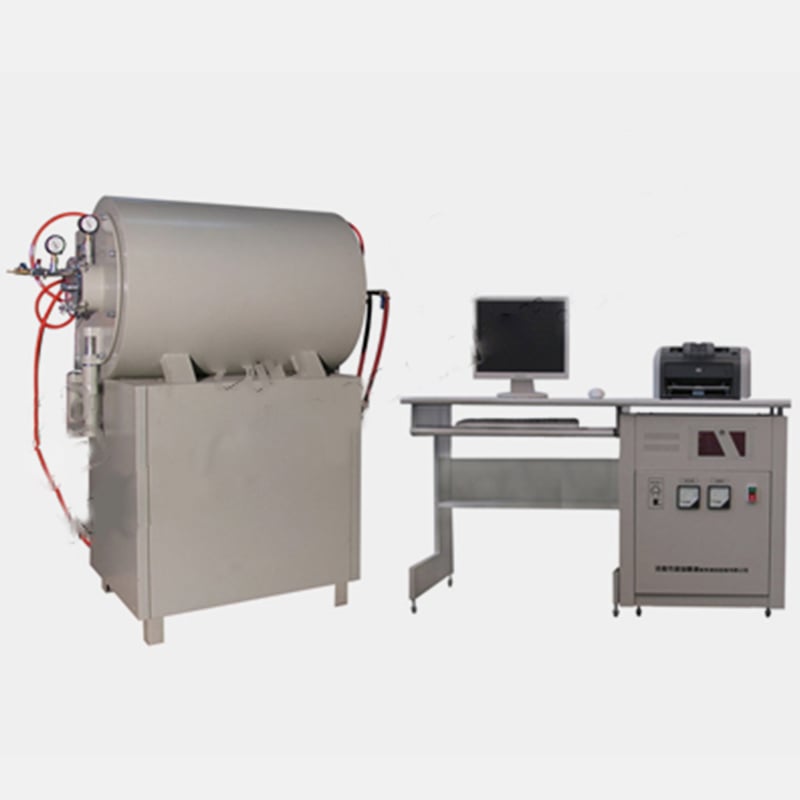
Recommended Products





Hot News
-
MOREMINE (Saudi Arabia) Partners with JZJ TEST to Deploy Custom Mobile Containerized Sample Preparation & Analysis Laboratory
2026-10-22
-
Across Continents, A Shared Pursuit of Precision | Zimbabwe ZMF Client Visits JZJ TEST to Inspect Containerized Sample Preparation + Fire Assay + Analysis System
2026-09-30
-
Ethiopia Fire Assay Experiment 4: Sample Fusion, Cupellation, and Tool Set—Achieving precise enrichment and witnessing the "rebirth through fire" of precious metals.
2026-08-31
-
Daily Maintenance and Care of a Refractoriness under Load and Creep Tester
2026-08-27
-
Revolutionizing Lab Efficiency: How the HNJC-T4A Redefines XRF Sample Preparation
2026-08-10
-
How to extend the service life of a high-temperature creep tester? Factors affecting service life.
2026-07-21
-
How do you choose the right high-temperature creep tester for softening under load?
2026-07-09
-
A Powerful Partnership: Eritrea Gold Mining Company Adopts Advanced JZJ TEST Fire Assay Equipment, Driving New Standards in Gold Refining and Testing
2026-07-02
-
Overseas Testing Capabilities Upgraded: China 15MCC’s Indonesian Subsidiary Introduces Full-Scale Fire Assay Equipment
2026-06-15
-
From Powder to Data: Unveiling the Secrets of the Perfect Pairing of Fusion Sample Analyzer and Spectrometer for Elemental Analysis
2026-06-09


