
 EN
EN
 AR
AR
 BG
BG
 FR
FR
 DE
DE
 HI
HI
 IT
IT
 PL
PL
 PT
PT
 RU
RU
 ES
ES
 TL
TL
 IW
IW
 ID
ID
 UK
UK
 VI
VI
 TH
TH
 TR
TR
 FA
FA
 MS
MS
 UR
UR
 BN
BN
 KM
KM
 LO
LO
 PA
PA
 MY
MY
 KK
KK
How do you choose the right high-temperature creep tester for softening under load?
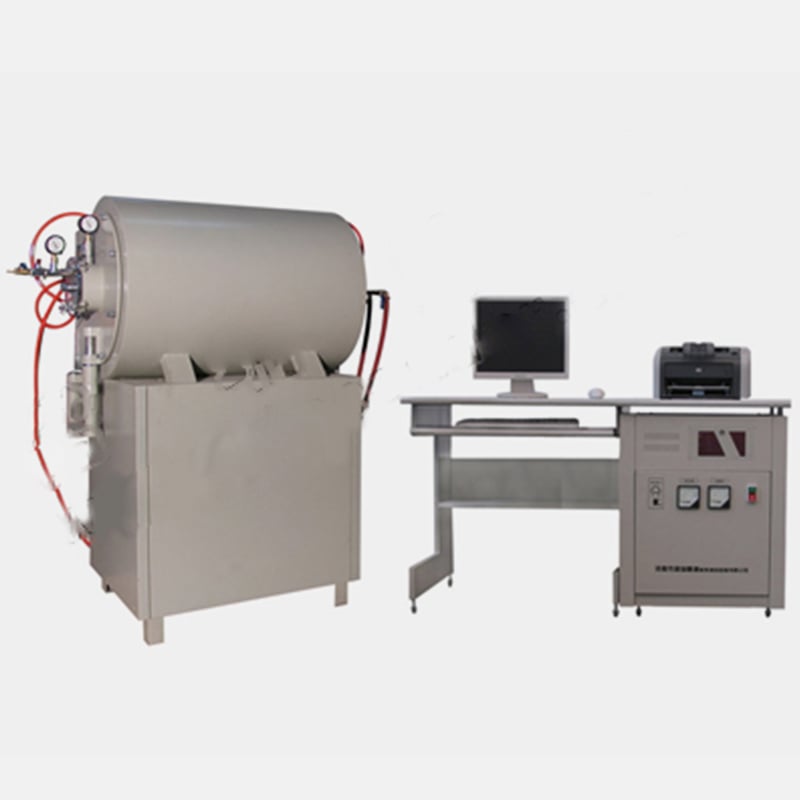
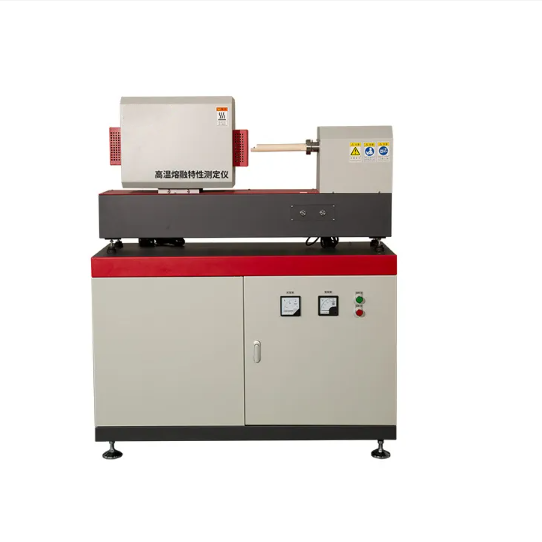
In the fields of materials science and engineering, high-temperature load-softening and creep testing instruments are essential for analyzing the mechanical properties and deformation behavior of materials under high-temperature conditions. They are commonly used to study the creep characteristics of materials—such as metals, alloys, and ceramics—as well as their softening and deformation patterns under varying temperatures and loads. Given their wide range of applications, selecting the right instrument is a critical task in scientific research, industrial production, and quality control. Choosing the appropriate instrument requires a comprehensive evaluation that considers not only basic performance specifications but also practical requirements, budget constraints, and the experimental environment. This article explores how to select a suitable high-temperature load-softening and creep testing instrument and discusses the key factors to consider during the selection process.
How to Select a Suitable High-Temperature Load-Softening and Creep Testing Instrument?
1. Testing Temperature RangeA primary function of high-temperature load-softening and creep testing instruments is to simulate material behavior in high-temperature environments. Therefore, the first step in selecting equipment is to verify that its testing temperature range meets experimental needs. Different types of materials exhibit distinct performance changes at high temperatures; for instance, the high-temperature characteristics of metals, ceramics, and polymers vary significantly. Recommendations for temperature range selection: If the test subjects are common metals (such as steel or aluminum alloys), a standard temperature range from room temperature to 1,000°C is generally sufficient. However, for high-performance materials (such as nickel-based or titanium alloys) or specialized materials, it may be necessary to select an instrument capable of higher testing temperatures (e.g., 1,200°C or above). Ensuring the chosen instrument meets the temperature requirements of the experiment is a fundamental and crucial consideration in the selection process.
2. Loading Capacity and Load Control
Another key function of these instruments is the ability to apply loads at high temperatures. Depending on specific testing requirements, loading capacity and the precision of load control are important factors to consider. Recommendations for loading capacity selection: Generally, the loading range for conventional materials falls between 0.1 N and 1,000 N. For most metal materials, a loading capacity in the range of a few hundred newtons is usually adequate. For high-performance alloys or high-strength materials, higher loading capacities may be required; therefore, it is advisable to select equipment capable of handling substantial loads.
Load Control Precision: The precision of load control directly impacts the accuracy of test results, particularly during long-duration creep tests. Selecting equipment with a high-precision load control system ensures that material deformation at various temperatures is accurately recorded.
3. Measurement Precision and Data Acquisition System
Another critical function of the high-temperature load-bearing creep tester is the accurate measurement of material creep deformation. During creep testing, the accumulation of minute deformations affects the results; thus, the instrument's measurement precision is paramount. Measurement Precision Requirements: The creep tester should be equipped with high-precision displacement and force sensors to ensure accurate measurement of minute deformations under load. Typically, displacement sensors should offer micron-level precision to capture subtle creep changes during the experiment.
Data Acquisition System: Real-time data acquisition capability is crucial. Instruments featuring advanced data acquisition and analysis systems allow for the real-time monitoring of parameters such as temperature, force, and deformation, as well as data storage and analysis. An efficient data acquisition system significantly enhances experimental efficiency and reduces human error.
4. Control System and Ease of Operation
The control system of the high-temperature load-bearing creep tester determines the ease of operation and the stability of experimental data. An ideal tester should feature an intuitive user interface and a flexible control system, enabling users to easily configure test conditions, monitor the process in real-time, and analyze data.
Control System Selection Recommendations: The control system should provide precise control over the three key parameters—temperature, force, and deformation—and support automatic adjustments and fault warning functions. A visual touchscreen and graphical user interface can greatly improve the operator experience. Additionally, the instrument's level of automation is a key consideration; selecting equipment that supports automatic loading, temperature control, and data recording reduces the operator's workload while enhancing experimental precision and efficiency.
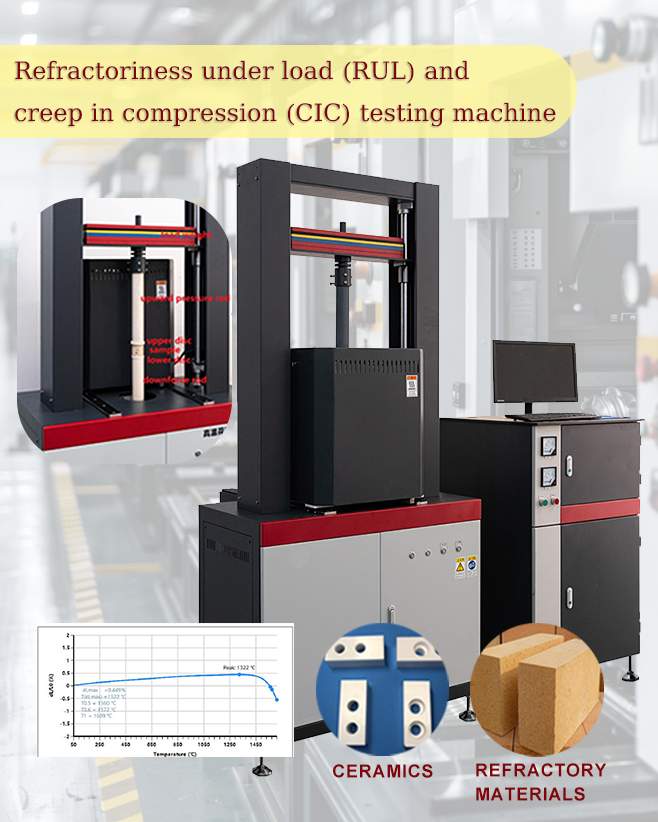
5. Test Sample Dimensions and ApplicabilityThe sample compatibility of the high-temperature load-bearing creep tester should also be selected based on specific experimental requirements. Different materials and experimental requirements may necessitate samples of varying sizes and shapes; therefore, the instrument's sample-holding system and dimensional compatibility are crucial factors during selection.
Sample-holding system: The instrument should feature an adjustable sample-holding mechanism capable of accommodating experimental samples of various specifications. The fixture material must be heat-resistant to prevent deformation or damage during high-temperature testing. Applicability: Ensure the equipment is suitable for the range of materials you are studying; compatibility and suitability are particularly important when conducting creep tests on specialized materials (such as ultra-high-temperature alloys, ceramics, and composites).
6. After-sales service and technical support
High-temperature load-bearing creep testers are high-precision instruments that may encounter various technical challenges. Consequently, selecting a supplier that offers excellent after-sales service and technical support is vital. An experienced service team can provide timely support, including equipment maintenance, software upgrades, and operational training.
Key considerations for after-sales service: Confirm whether the supplier offers periodic inspection and maintenance services. Inquire about fault diagnosis and on-site repair capabilities. Ask about technical support response times and service quality to ensure that any issues can be resolved promptly.
Selecting the right high-temperature load-bearing creep tester is key to ensuring data accuracy, enhancing research efficiency, and improving experimental reliability. By considering factors such as the testing temperature range, load capacity, measurement precision, control system, sample adaptability, and after-sales service, users can make an informed choice tailored to their specific experimental needs. Choosing the appropriate testing instrument not only boosts work efficiency but also provides accurate data support for future research and production, thereby advancing the development and application of materials science. Please feel free to call or leave a message with our company if you require further information.
Recommended Products





Hot News
-
Across Continents, A Shared Pursuit of Precision | Zimbabwe ZMF Client Visits JZJ TEST to Inspect Containerized Sample Preparation + Fire Assay + Analysis System
2026-09-30
-
Ethiopia Fire Assay Experiment 4: Sample Fusion, Cupellation, and Tool Set—Achieving precise enrichment and witnessing the "rebirth through fire" of precious metals.
2026-08-31
-
Daily Maintenance and Care of a Refractoriness under Load and Creep Tester
2026-08-27
-
Revolutionizing Lab Efficiency: How the HNJC-T4A Redefines XRF Sample Preparation
2026-08-10
-
How to extend the service life of a high-temperature creep tester? Factors affecting service life.
2026-07-21
-
How do you choose the right high-temperature creep tester for softening under load?
2026-07-09
-
A Powerful Partnership: Eritrea Gold Mining Company Adopts Advanced JZJ TEST Fire Assay Equipment, Driving New Standards in Gold Refining and Testing
2026-07-02
-
Overseas Testing Capabilities Upgraded: China 15MCC’s Indonesian Subsidiary Introduces Full-Scale Fire Assay Equipment
2026-06-15
-
From Powder to Data: Unveiling the Secrets of the Perfect Pairing of Fusion Sample Analyzer and Spectrometer for Elemental Analysis
2026-06-09
-
Spanning Ten Thousand Miles, Quality Verified | JZJ TEST Fire Assay Laboratory Equipment Successfully Delivered to Russian Client
2026-05-26


