
 EN
EN
 AR
AR
 BG
BG
 FR
FR
 DE
DE
 HI
HI
 IT
IT
 PL
PL
 PT
PT
 RU
RU
 ES
ES
 TL
TL
 IW
IW
 ID
ID
 UK
UK
 VI
VI
 TH
TH
 TR
TR
 FA
FA
 MS
MS
 UR
UR
 BN
BN
 KM
KM
 LO
LO
 PA
PA
 MY
MY
 KK
KK
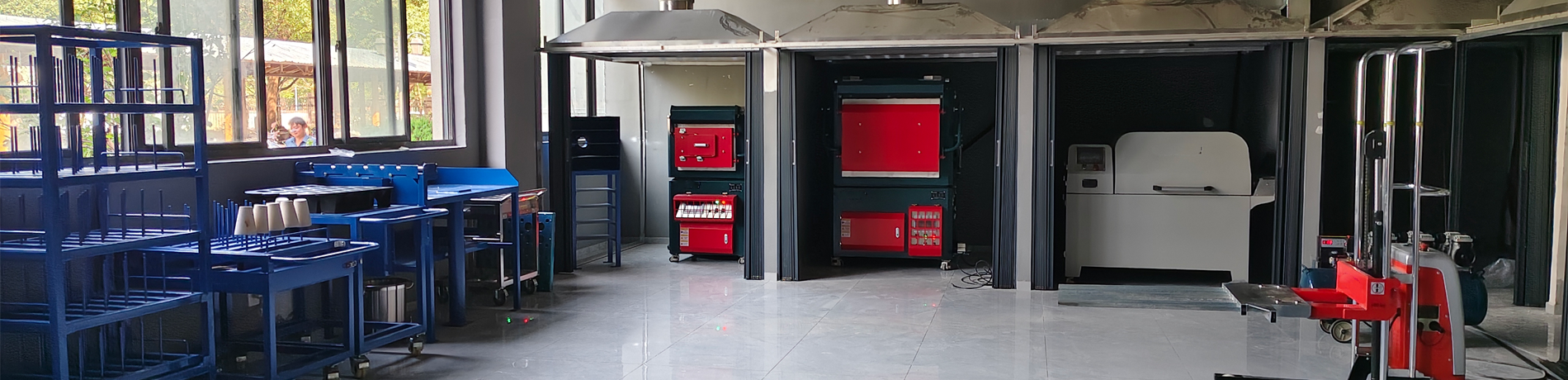
अग्नि-विश्लेषण कपुलेशन भट्टी: सिद्धांत और अनुप्रयोग
कपेलेशन फर्नेस क्या है?
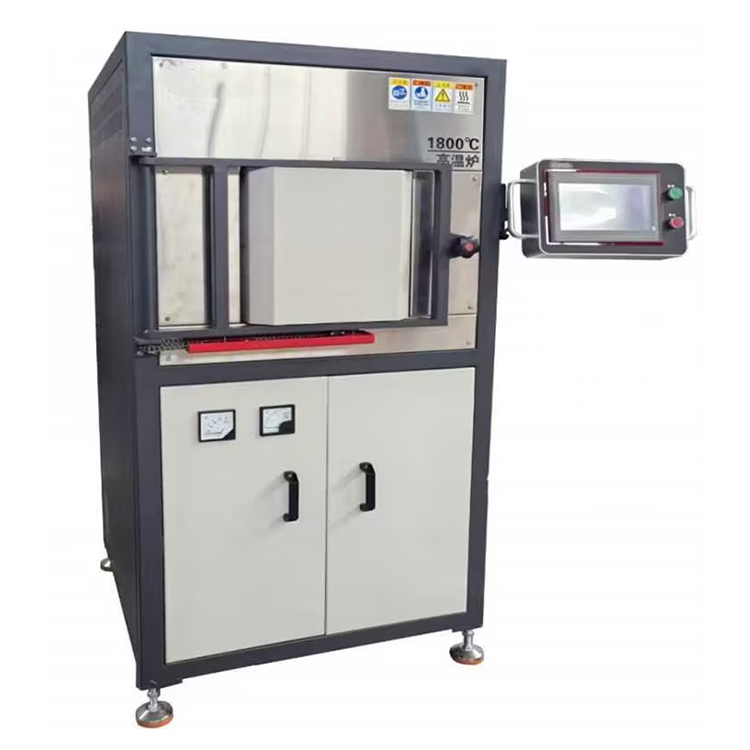
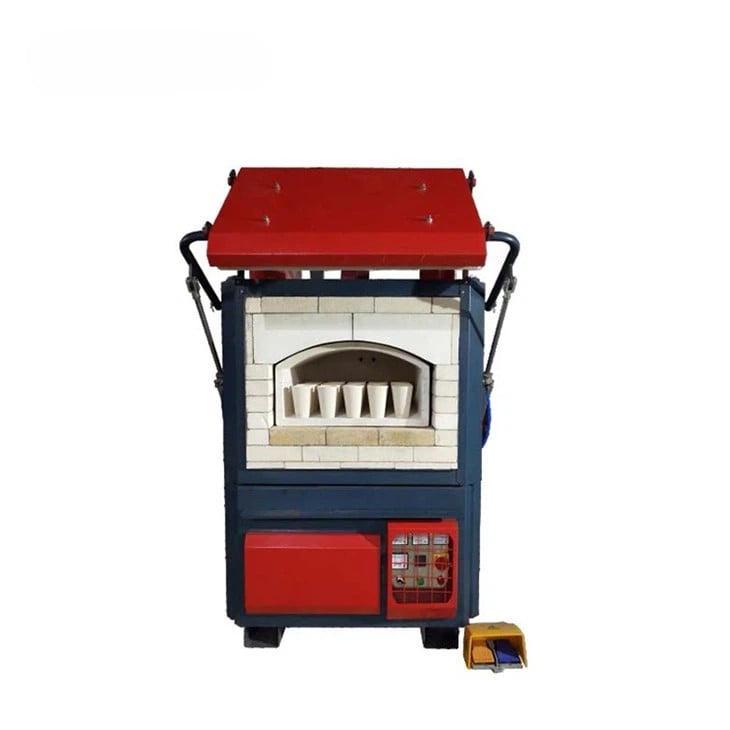
एक कपेलेशन भट्टी एक विशिष्ट उच्च-तापमान भट्टी है जिसका उपयोग अग्नि-विश्लेषण विधि के "कपेलेशन" चरण में किया जाता है। इसका प्राथमिक कार्य ऑक्सीकारक धातुकर्म प्रक्रिया के माध्यम से एक "सीसा बटन"—जो सोना और चांदी जैसी मूल्यवान धातुओं को संलग्न करता है—से सीसा और अन्य आधार धातुओं को हटाना है। इस प्रक्रिया के अंत में एक शुद्ध मूल्यवान धातु मिश्रधातु की बूँद प्राप्त होती है, जिसका उपयोग सटीक भार मापने और मूल नमूने में मौजूद मूल्यवान धातु की मात्रा की गणना करने के लिए किया जाता है।
कपेलेशन प्रक्रिया के सिद्धांत
कपेलेशन प्रक्रिया निम्नलिखित सिद्धांतों पर आधारित है:
1. **ऑक्सीकरण विशेषताओं में अंतर:** उच्च तापमान (आमतौर पर 850–950°C) और निरंतर वायु प्रवाह की स्थिति में, सीसा (Pb) आसानी से सीसा ऑक्साइड (PbO) में ऑक्सीकृत हो जाता है।
2. **अवशोषण और प्रवाह:** सीसा ऑक्साइड एक द्रव अवस्था में मौजूद होता है और एक सुगम्य क्यूपल (हड्डी की राख या मैग्नीशिया से बना एक सुगम्य कप) द्वारा अवशोषित किया जाता है, जैसे कि एक स्पंज द्वारा पानी का अवशोषण किया जाता है।
3. **मूल्यवान धातुओं का गैर-ऑक्सीकरण:** मूल्यवान धातुएँ—जैसे सोना, चाँदी और प्लैटिनम समूह की धातुएँ—इन स्थितियों में ऑक्सीकृत नहीं होती हैं। वे क्यूपल की सतह पर एक पिघली हुई धात्विक बूँद के रूप में बनी रहती हैं; जैसे-जैसे सीसा ऑक्सीकृत होता है और अवशोषित हो जाता है, ये मूल्यवान धातुएँ धीरे-धीरे सांद्रित होती हैं और एकल, चमकदार गोलिका में एकजुट हो जाती हैं, जिसे "मूल्यवान धातु बूँद" (या प्रिल) कहा जाता है।
मुख्य उपकरण और सामग्री
1. **क्यूपेलेशन भट्टी स्वयं:**
◦ **प्रकार:** आधुनिक भट्टियाँ आमतौर पर बॉक्स-प्रकार की विद्युत प्रतिरोध भट्टियाँ होती हैं, जिनमें एक सटीक तापमान नियंत्रण प्रणाली (PID नियंत्रण) होती है।
◦ **आवश्यकताएँ:** भट्टी के कक्ष के आंतरिक आयामों को एक साथ कई क्यूपल्स को समायोजित करने के लिए पर्याप्त होना चाहिए, जबकि एकसमान तापन सुनिश्चित किया जाए। भट्टी का दरवाज़ा आमतौर पर वायु प्रवाह और दृश्य अवलोकन की अनुमति देने के लिए समायोज्य खुलने वाला होता है।
◦ **तापमान सीमा:** अधिकतम तापमान क्षमता आमतौर पर 1100°C से अधिक होनी चाहिए, जबकि कार्यकारी तापमान सीमा लगभग 900–1000°C होनी चाहिए।
2. **क्यूपल्स:**
◦ **कार्य:** वह पात्र जिसमें क्यूपेलेशन अभिक्रिया संपन्न होती है, तथा सीसा ऑक्साइड के अवशोषण के लिए महत्वपूर्ण माध्यम है।
◦ **सामग्री:
■ **बोन ऐश क्यूपल्स:** बोन ऐश (जलाए गए पशु अस्थियाँ, जो मुख्य रूप से कैल्शियम फॉस्फेट से बनी होती हैं) को दबाकर बनाए जाते हैं। यह पारंपरिक और सबसे व्यापक रूप से उपयोग की जाने वाली सामग्री है, जो उत्कृष्ट सुगम्यता और शक्तिशाली अवशोषण क्षमता प्रदान करती है।
■ **मैग्नीशिया क्यूपेल्स:** मैग्नीशियम ऑक्साइड से बनाए गए। ये उच्च तापमान प्रतिरोध प्रदान करते हैं, हालाँकि उनकी छिद्रता और अवशोषण विशेषताएँ हड्डी के राख क्यूपेल्स की तुलना में थोड़ी भिन्न होती हैं।
◦ **पूर्व-उपचार:** नए क्यूपेल्स को आमतौर पर उनके भौतिक गुणों को स्थिर करने के लिए क्यूपेलेशन तापमान पर पूर्व-दहन की अवधि की आवश्यकता होती है। क्यूपेलेशन प्रक्रिया
1. पूर्व-तापन: क्यूपेलेशन भट्टी के तापमान को निर्धारित बिंदु (जैसे, 920°C) तक बढ़ाएँ और क्यूपेल्स को भीतर रखकर उन्हें पूर्व-तापित करें।
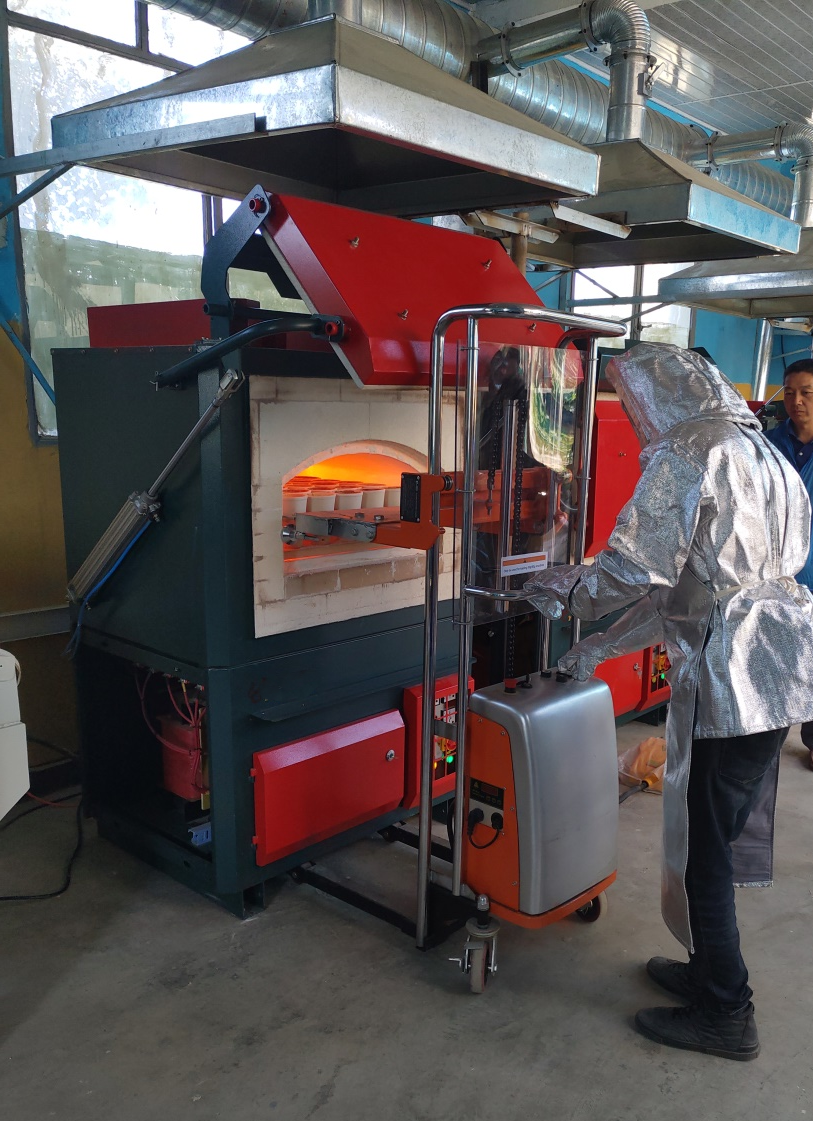
2. सीसा बटन का प्रवेश: लंबे हैंडल वाले टॉन्ग्स का उपयोग करके, पूर्ववर्ती "गलन" चरण से प्राप्त सीसा बटन को पकड़ें (जिसमें अब नमूने से प्राप्त सारा सोना और चाँदी होता है) और इसे जल्दी से पूर्व-तापित क्यूपेल के केंद्र में रखें।
3. क्यूपेलेशन:
◦ भट्टी का दरवाज़ा थोड़ा खुला रखें ताकि वायु की निरंतर आपूर्ति सुनिश्चित हो सके।
◦ सीसा का बटन तेज़ी से पिघलता है, और इसकी सतह ऑक्सीकृत होने लगती है, जिससे सीसा ऑक्साइड की एक पतली परत बनती है। ऑक्सीकरण आगे बढ़ने के साथ, पिघले हुए सीसे का स्तर गिरने लगता है, और मूल्यवान धातुएँ बाहर आने लगती हैं।
◦ भट्टी के तापमान का नियंत्रण महत्वपूर्ण है: यदि तापमान अत्यधिक है, तो सीसा ऑक्साइड को आसानी से अवशोषित नहीं किया जा सकेगा; इससे छोटी-छोटी "फ्लैशिंग" बूँदों के निर्माण की संभावना हो सकती है, जिससे मूल्यवान धातुओं की हानि हो सकती है। यदि तापमान बहुत कम है, तो सीसा ऑक्साइड एक पपड़ी के रूप में जम जाएगा, जो मूल्यवान धातुओं को घेर लेगा और क्यूपेलेशन प्रक्रिया को विफल कर देगा।
4. "फ्लैशिंग" घटना:
◦ जब सीसा का अंतिम सूक्ष्मतम अवशेष भी ऑक्सीकृत और हटा दिया जाता है—और क्षारीय धातु ऑक्साइडों के शेष सूक्ष्म मात्रा को भी अवशोषित कर लिया जाता है—तो मूल्यवान धातु की गोलाकार बूँद, जो पहले सीसा ऑक्साइड की आवरण परत के कारण मंद पड़ गई थी, अचानक तीव्र चमकदार हो जाती है। इस घटना को "फ्लैश" (या "प्रकाशन") कहा जाता है। यह क्यूपेलेशन प्रक्रिया के पूर्ण होने का निश्चित संकेत है।
5. निकालना और ठंडा करना:
◦ फ्लैश के तुरंत बाद, क्यूपेल को भट्टी के खुले भाग से तुरंत द्वार के सिरे तक खींच लें। इसे थोड़ी देर के लिए संतुलित होने देने के बाद, इसे पूर्णतः निकालकर एस्बेस्टॉस के बोर्ड पर ठंडा करने के लिए रख दें।
◦ ठंडा होने के बाद, ट्वीज़र्स का उपयोग करके क्यूपेल से चमकदार, गोलाकार मूल्यवान धातु की बूँद को निकाल लें।
क्यूपेलेशन भट्टी के आधुनिक अनुप्रयोग
हालाँकि आधुनिक यंत्रीय विश्लेषण तकनीकें (जैसे आईसीपी-एमएस) अत्यंत उन्नत हैं, फिर भी अग्नि परीक्षण–क्यूपेलेशन विधि अपनी अतुलनीय शुद्धता और प्रामाणिक स्थिति के कारण अभी भी:
• सोने और चांदी के शुद्धिकरण कारखानों के लिए मानक अंतर्राष्ट्रीय पद्धति जो डोरे बुलियन और कच्चे चांदी के इंगोट्स की शुद्धता (फाइनेस) निर्धारित करने के लिए प्रयोग की जाती है।
• भूवैज्ञानिक और खनिज विश्लेषण में मानक पद्धति, जिसका उपयोग अधिकारी विश्लेषण (अम्पायर विश्लेषण) के संचालन और संदर्भ सामग्रियों को प्रमाणित मान असाइन करने के लिए किया जाता है।
• कीमती धातुओं की पुनर्प्राप्ति और आभूषण परीक्षण में उपयोग की जाने वाली प्रमुख पद्धति, जो जटिल रासायनिक संरचना वाली सामग्रियों के संसाधन के लिए प्रयोग की जाती है।
निष्कर्ष
क्यूपेलेशन भट्टी केवल एक साधारण तापन उपकरण से कहीं अधिक है; यह एक परिशुद्धता आधारित प्रणाली है जो विशिष्ट भौतिक-रासायनिक अभिक्रियाओं—अर्थात्, चयनात्मक ऑक्सीकरण और अवशोषण—को सुगम बनाने के लिए डिज़ाइन की गई है। यह प्राचीन रासायनिक ज्ञान—विशेष रूप से, सोने और चाँदी को पकड़ने के लिए सीसा के उपयोग तथा उसके बाद ऑक्सीकरण द्वारा सीसे के पृथक्करण—को आधुनिक तापमान नियंत्रण प्रौद्योगिकी के साथ एकीकृत करती है। अग्नि परीक्षण प्रक्रिया में यह तकनीक अंतिम स्पर्श के रूप में कार्य करती है और आधार धातुओं के विशाल आधात्री से सूक्ष्म मात्रा में मौजूद मूल्यवान धातुओं के लगभग पूर्ण पृथक्करण एवं सांद्रण को प्राप्त करती है, जिससे उनके अंतिम उच्च-परिशुद्धता निर्धारण की आधारशिला रखी जाती है।
इस प्रकार, मूल्यवान धातु विश्लेषण के क्षेत्र में, "क्यूपेलेशन" तकनीक पर दक्षता प्राप्त करना अक्सर किसी प्रयोगशाला या व्यक्तिगत विश्लेषक की तकनीकी दक्षता का आकलन करने के लिए एक महत्वपूर्ण मापदंड के रूप में कार्य करती है।
अनुशंसित उत्पाद





गर्म समाचार
-
महाद्वीपों के पार, सटीकता की एक साझा खोज | ज़िम्बाब्वे ZMF के ग्राहक JZJ TEST का दौरा करते हैं ताकि कंटेनरीकृत नमूना तैयारी + फायर असे + विश्लेषण प्रणाली का निरीक्षण किया जा सके
2026-09-30
-
इथियोपिया फायर असे के प्रयोग 4: नमूना फ्यूज़न, क्यूपेलेशन, और टूल सेट—मूल्यवान धातुओं के सटीक संवर्धन को प्राप्त करना और उनके "अग्नि द्वारा पुनर्जन्म" को देखना।
2026-08-31
-
प्रतिरोधकता लोड और क्रीप परीक्षक का दैनिक रखरखाव और देखभाल
2026-08-27
-
प्रयोगशाला दक्षता को क्रांतिकारी बनाना: कैसे HNJC-T4A XRF नमूना तैयारी को पुनर्परिभाषित करता है
2026-08-10
-
उच्च तापमान शिथिलता परीक्षक के सेवा जीवन को कैसे बढ़ाया जा सकता है? सेवा जीवन को प्रभावित करने वाले कारक।
2026-07-21
-
आप भार के अधीन नरम होने के लिए सही उच्च-तापमान श्रांति परीक्षक का चयन कैसे करते हैं?
2026-07-09
-
एक शक्तिशाली साझेदारी: इरिट्रिया गोल्ड माइनिंग कंपनी ने उन्नत JZJ TEST फायर असे उपकरण अपनाया, जो स्वर्ण शुद्धिकरण और परीक्षण में नए मानकों को बढ़ावा दे रहा है
2026-07-02
-
विदेशी परीक्षण क्षमताओं में उन्नति: चीन की 15MCC की इंडोनेशियाई सहायक कंपनी ने पूर्ण-स्तरीय अग्नि परीक्षण उपकरण पेश किए हैं
2026-06-15
-
पाउडर से डेटा तक: तत्वीय विश्लेषण के लिए फ्यूजन नमूना विश्लेषक और स्पेक्ट्रोमीटर के सही जोड़े के रहस्यों का खुलासा
2026-06-09
-
दस हजार मील तक फैला हुआ, गुणवत्ता सत्यापित | JZJ TEST का अग्नि परीक्षण प्रयोगशाला उपकरण रूसी ग्राहक को सफलतापूर्वक डिलीवर कर दिया गया
2026-05-26


