
 EN
EN
 AR
AR
 BG
BG
 FR
FR
 DE
DE
 HI
HI
 IT
IT
 PL
PL
 PT
PT
 RU
RU
 ES
ES
 TL
TL
 IW
IW
 ID
ID
 UK
UK
 VI
VI
 TH
TH
 TR
TR
 FA
FA
 MS
MS
 UR
UR
 BN
BN
 KM
KM
 LO
LO
 PA
PA
 MY
MY
 KK
KK
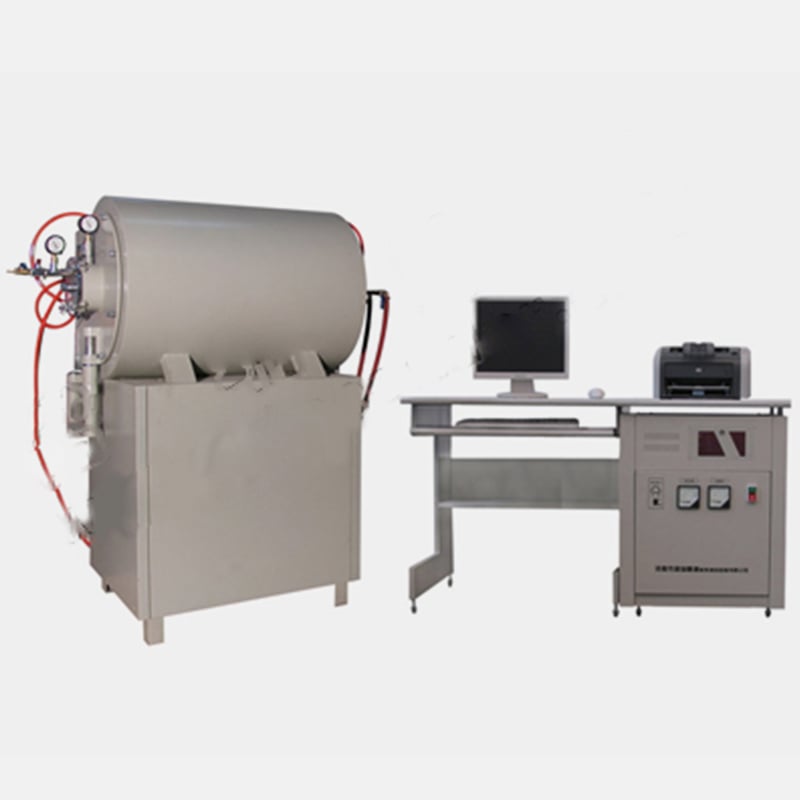
High Temperature Bend Testing Machine Maintenance Content
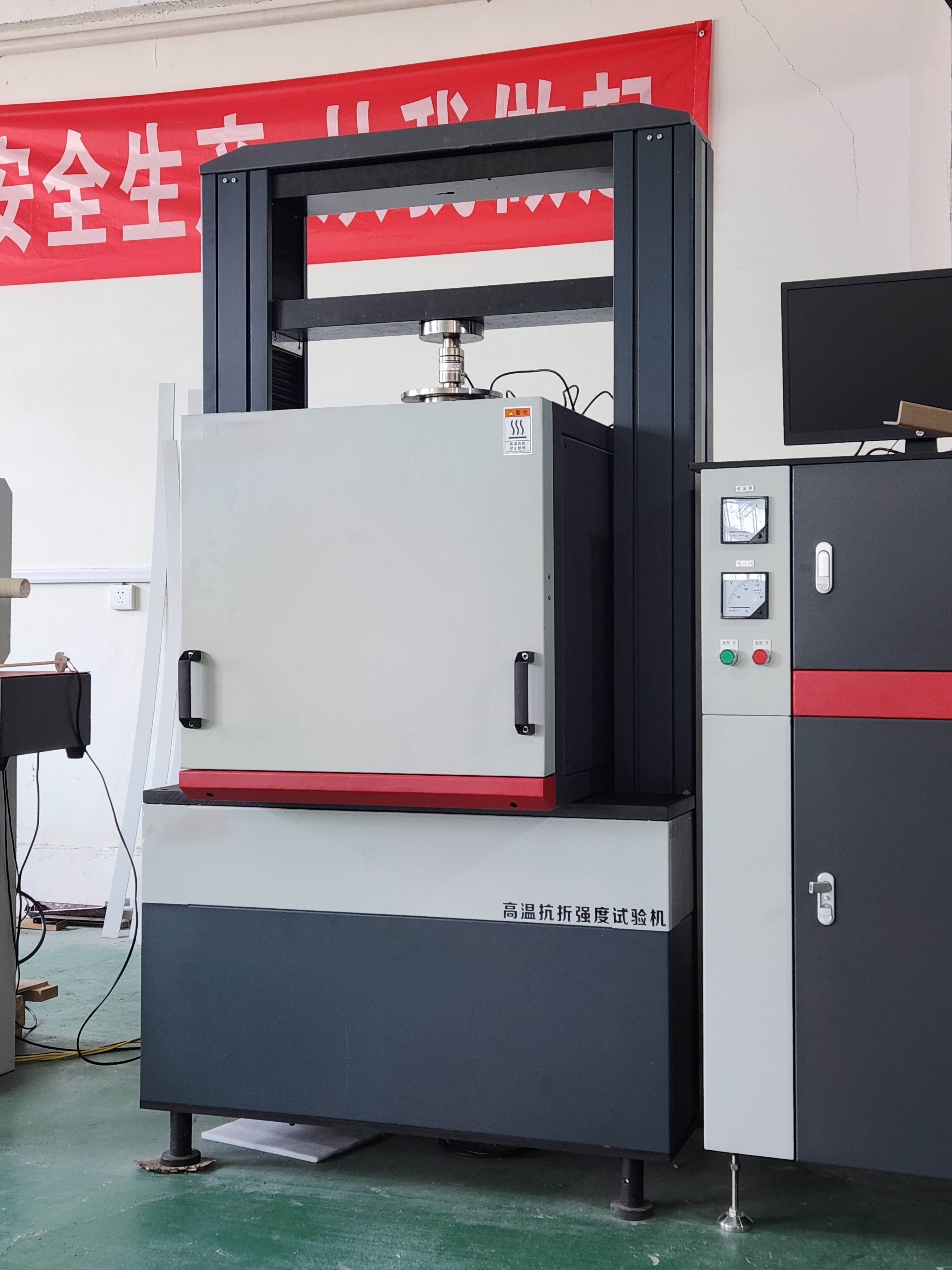
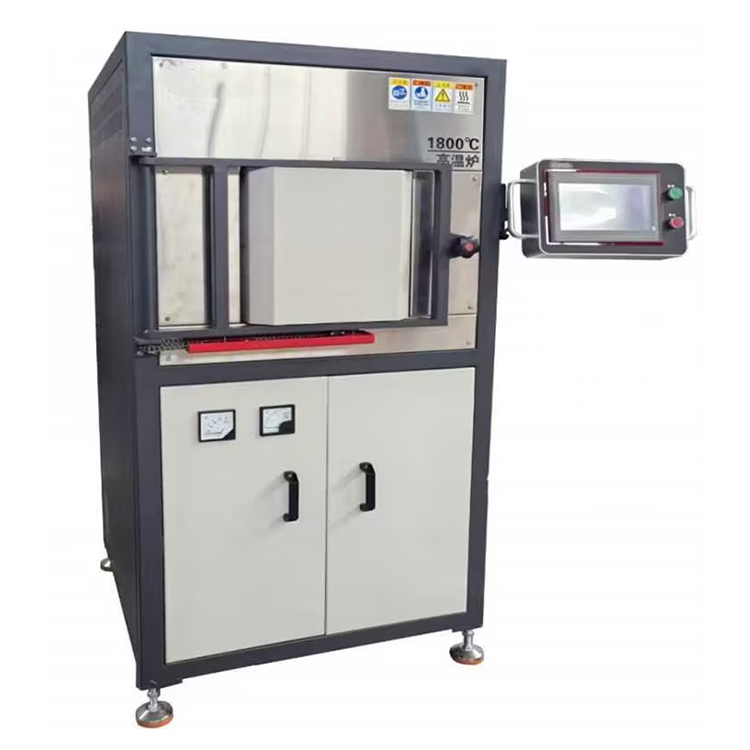
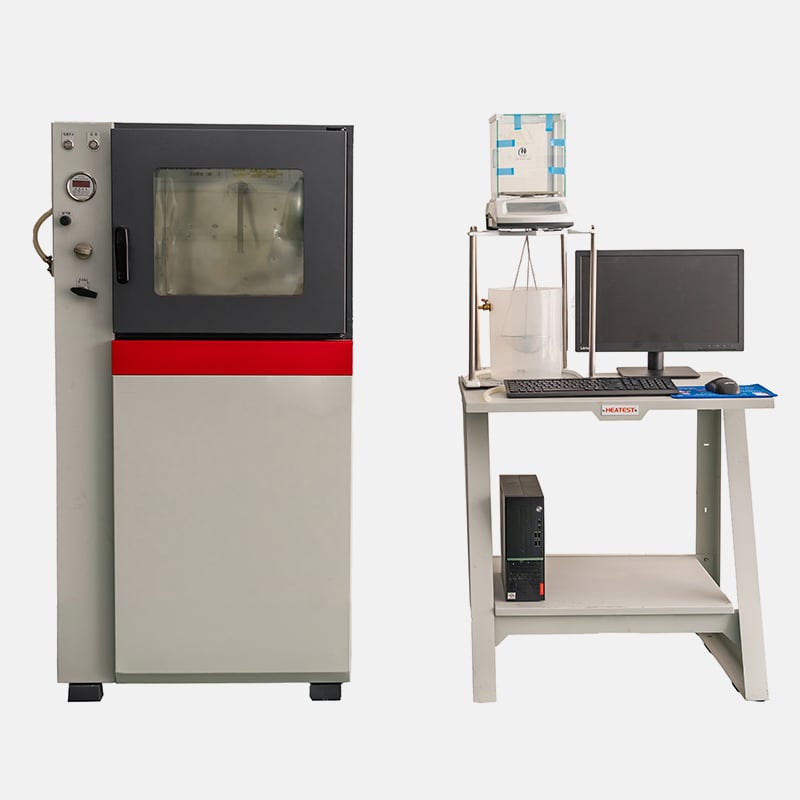
High temperature flexural testing machine is a key equipment for evaluating material performance and requires regular maintenance. Daily maintenance includes cleaning dust, checking sealing strips, temperature controllers, etc.; periodic maintenance requires disassembly of the box, calibration of sensors, replacement of insulation materials, etc.; major maintenance requires professional personnel to inspect electrical components, heating systems, etc. Maintenance must follow the instruction manual and pay attention to safety protection and records.
High temperature flexural testing machine is a key equipment for evaluating the bending and deformation resistance of materials in high temperature environments. By testing the flexural strength of materials at high temperatures, it provides important data support for the design and selection of refractory building materials, ceramic products, concrete structures, etc. This article mainly introduces the maintenance content of high temperature flexural testing machine.
1. Daily maintenance
1. Check the inner and outer surfaces of the box, and use a rag to clean the dust and debris. Excessive dust will affect the uniformity of the temperature field inside the box, resulting in temperature measurement deviation.
2. Check the integrity of the door and window seals, and replace them if necessary to ensure good airtightness and prevent heat loss.
3. Carefully check the readings of the temperature controller, timer, etc. to ensure accurate temperature and time control.
4. Check the entire heating pipeline, pay attention to the condition of the heating wire, check whether there is leakage at the joint, and deal with problems in time.
5. Use visualization software to observe the temperature distribution in the box when the machine is turned on. If obvious abnormalities are found, the heating system needs to be adjusted.
2. Periodic maintenance
1. Disassemble the box regularly, clean the internal dust and check each heating wire. If damage is found, replace it in time.
2. Detect and calibrate the temperature sensor. If the reading deviates from the standard source, the sensor or controller setting needs to be adjusted.
3. Check and supplement or replace the insulation material in the box as appropriate to avoid heat loss affecting the temperature control effect.
4. Replace the old sealing strips at the doors and windows to ensure good air tightness.
5. Check whether the gap between the fan impeller and the housing is reasonable, and the impeller and housing are free of wear or accumulation to ensure smooth operation. If abnormalities are found, they need to be cleaned or replaced.
6. Check the tension and wear of the supporting wire rope. If there is looseness or severe wear, it should be reinforced or replaced in time to avoid safety hazards.
III. Major maintenance
1. Regularly ask professionals to inspect the internal electrical components of the equipment, replace resistors, relays, fuses, etc. with severe losses, and eliminate safety hazards.
2. Check the grounding reliability of the metal casing and the earth, and add an external equipotential grounding wire if necessary.
3. Disassemble and inspect the functional modules of the control system, use compressed air to remove dust accumulation, replace damaged parts, and ensure that all functions are normal.
4. Inspect the entire heating system, check the uniformity and heat generation of the heating wire, adjust or replace some heating tubes, and ensure sufficient and uniform heat output.
5. Carry out a comprehensive and systematic inspection of the entire high-temperature flexural test machine, check and eliminate all kinds of potential hidden dangers one by one, and ensure the safety and stability of the equipment in the next operating cycle.
IV. Maintenance precautions
1. Strictly follow the requirements of the equipment instructions and maintenance manual, formulate a scientific maintenance plan and adhere to it.
2. Take effective protective measures during maintenance to avoid high temperature burns or other personal safety hazards.
3. When replacing parts, use original accessories of the manufacturer's specified model to ensure quality and compatibility.
4. Mark the disassembled parts in time to prevent assembly errors. Be careful when disassembling and assembling to avoid damaging surrounding parts.
5. Keep detailed records during maintenance, understand the service life and maintenance history of the equipment, and provide reference for the formulation of subsequent maintenance plans.
In short, as a key equipment for testing the performance of various materials, the maintenance of the high-temperature flexural test machine is very important. Implementing a reasonable maintenance plan is conducive to maintaining the working performance of the equipment and extending the service life of the equipment.
Recommended Products





Hot News
-
Across Continents, A Shared Pursuit of Precision | Zimbabwe ZMF Client Visits JZJ TEST to Inspect Containerized Sample Preparation + Fire Assay + Analysis System
2026-09-30
-
Ethiopia Fire Assay Experiment 4: Sample Fusion, Cupellation, and Tool Set—Achieving precise enrichment and witnessing the "rebirth through fire" of precious metals.
2026-08-31
-
Daily Maintenance and Care of a Refractoriness under Load and Creep Tester
2026-08-27
-
Revolutionizing Lab Efficiency: How the HNJC-T4A Redefines XRF Sample Preparation
2026-08-10
-
How to extend the service life of a high-temperature creep tester? Factors affecting service life.
2026-07-21
-
How do you choose the right high-temperature creep tester for softening under load?
2026-07-09
-
A Powerful Partnership: Eritrea Gold Mining Company Adopts Advanced JZJ TEST Fire Assay Equipment, Driving New Standards in Gold Refining and Testing
2026-07-02
-
Overseas Testing Capabilities Upgraded: China 15MCC’s Indonesian Subsidiary Introduces Full-Scale Fire Assay Equipment
2026-06-15
-
From Powder to Data: Unveiling the Secrets of the Perfect Pairing of Fusion Sample Analyzer and Spectrometer for Elemental Analysis
2026-06-09
-
Spanning Ten Thousand Miles, Quality Verified | JZJ TEST Fire Assay Laboratory Equipment Successfully Delivered to Russian Client
2026-05-26


