
 EN
EN
 AR
AR
 BG
BG
 FR
FR
 DE
DE
 HI
HI
 IT
IT
 PL
PL
 PT
PT
 RU
RU
 ES
ES
 TL
TL
 IW
IW
 ID
ID
 UK
UK
 VI
VI
 TH
TH
 TR
TR
 FA
FA
 MS
MS
 UR
UR
 BN
BN
 KM
KM
 LO
LO
 PA
PA
 MY
MY
 KK
KK
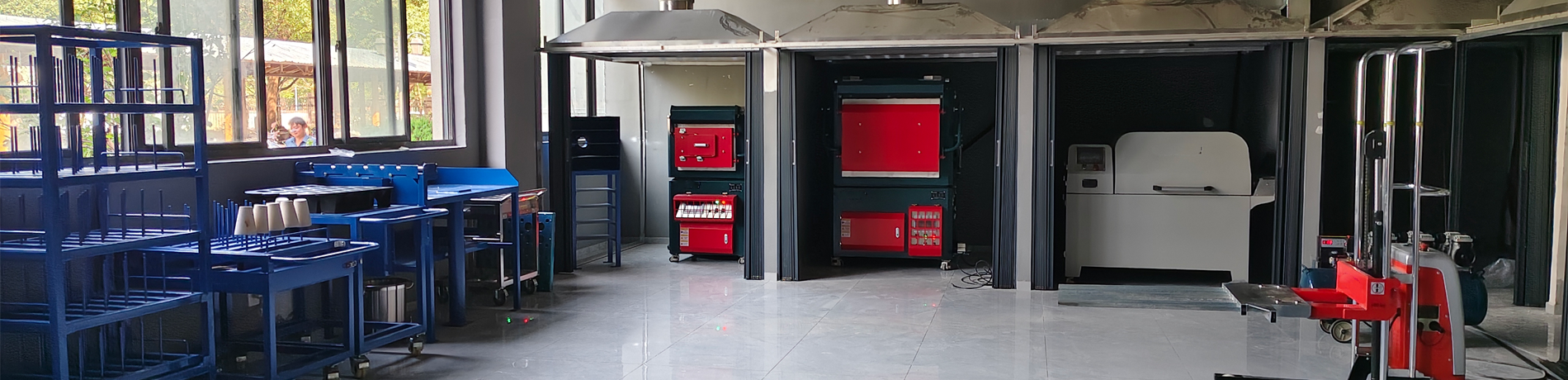
Refractoriness under load (RUL) and creep in compression (CIC) testing machine operating procedures
1. Overview
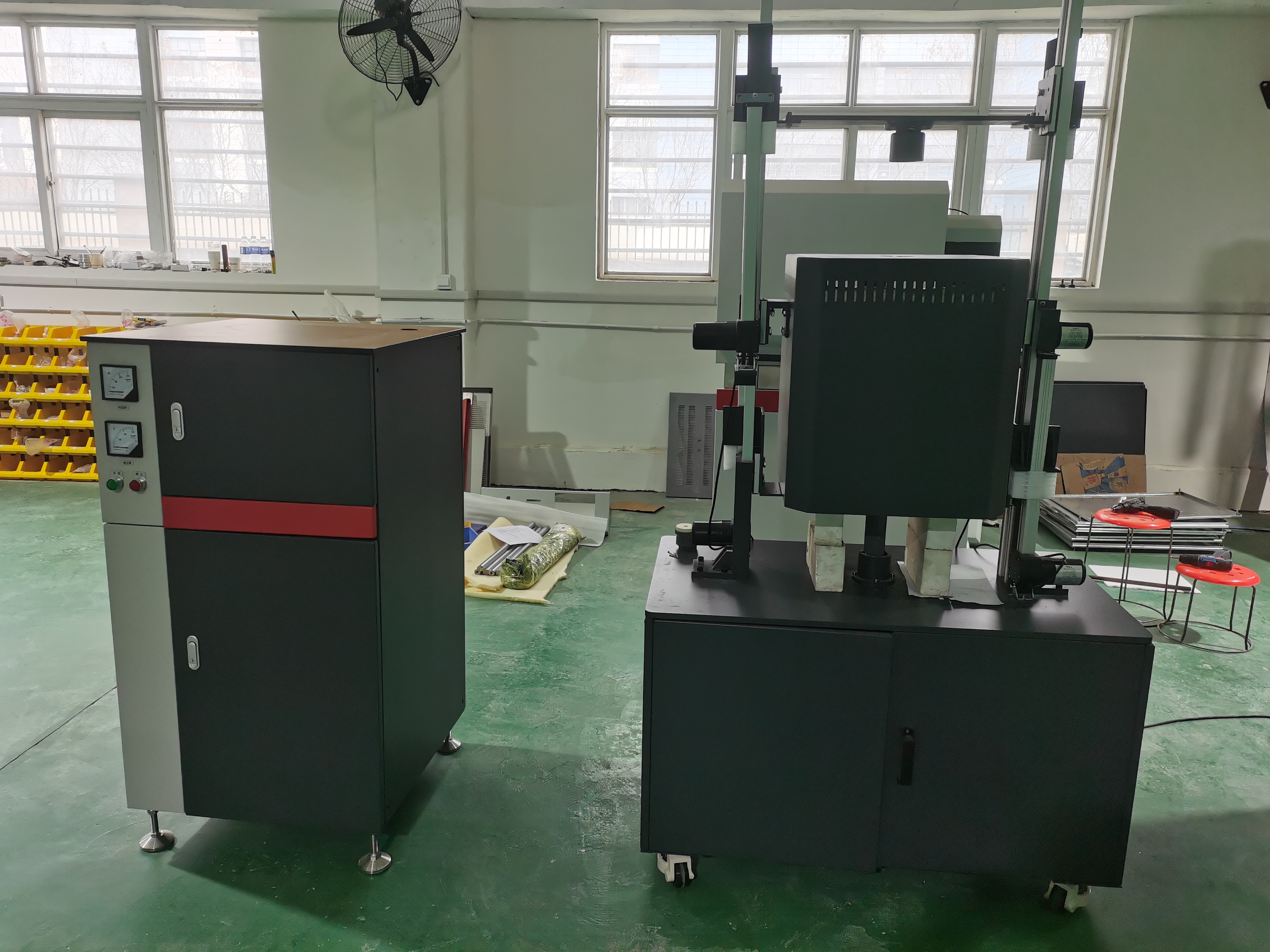
This operating procedure is applicable to the use of RUL and CIC Testing Machine. This equipment can be used to determine the creep and softening behavior of materials under high temperature and high load, and is widely used in materials science, geology, aerospace and other fields.
2. Equipment preparation
1). Check whether the high temperature creep testing machine is intact and make sure the instrument is in normal working condition.
2). Check whether the test space is tidy and free of debris.
3). Check whether the temperature of the test room meets the requirements, which is generally required to be 20℃±2℃.
4). Install and connect the specimen and measuring sensor.
3. Specimen preparation
1). Select the appropriate specimen form according to the material properties and test requirements.
2). Prepare specimens that meet the standards according to the test methods and test requirements, and pay attention to the accuracy of the specimen size and shape.
3). The surface of the specimen should be flat and smooth without cracks.
4. Parameter setting
1). Set the test temperature, load size, strain rate and other parameters according to the test requirements and specimen properties.
2). Select the appropriate test mode and test time.
3). Adjust the test system so that it can accurately measure the test data.
V. Test steps
1). Place the sample in the test fixture and apply the load according to the test requirements.
2). Start the tester and apply prestress load at the test room temperature.
3). Heat the tester to the set temperature and start the test.
4). During the test, record the test data in time and observe the deformation and softening behavior of the sample.
5). After the test, turn off the equipment, take out the sample and conduct relevant tests.
VI. Precautions
1). Pay attention to safety during operation to avoid dangerous accidents.
2). The test data should be accurate and reliable to avoid falsification or errors.
3). Before testing, you should understand the working principle and application method of the equipment.
4). After the test, the equipment should be cleaned and maintained to ensure its normal use.
[Conclusion]
Through the introduction of this article, I believe that everyone has understood the basic operating procedures and application fields of High temperature creep and refractoriness under load tester. In actual use, it is necessary to pay attention to the principles of safety, accuracy and reliability, and at the same time master the working principle and use method of the equipment to better conduct relevant research and experiments.
Recommended Products





Hot News
-
MOREMINE (Saudi Arabia) Partners with JZJ TEST to Deploy Custom Mobile Containerized Sample Preparation & Analysis Laboratory
2026-10-22
-
Across Continents, A Shared Pursuit of Precision | Zimbabwe ZMF Client Visits JZJ TEST to Inspect Containerized Sample Preparation + Fire Assay + Analysis System
2026-09-30
-
Ethiopia Fire Assay Experiment 4: Sample Fusion, Cupellation, and Tool Set—Achieving precise enrichment and witnessing the "rebirth through fire" of precious metals.
2026-08-31
-
Daily Maintenance and Care of a Refractoriness under Load and Creep Tester
2026-08-27
-
Revolutionizing Lab Efficiency: How the HNJC-T4A Redefines XRF Sample Preparation
2026-08-10
-
How to extend the service life of a high-temperature creep tester? Factors affecting service life.
2026-07-21
-
How do you choose the right high-temperature creep tester for softening under load?
2026-07-09
-
A Powerful Partnership: Eritrea Gold Mining Company Adopts Advanced JZJ TEST Fire Assay Equipment, Driving New Standards in Gold Refining and Testing
2026-07-02
-
Overseas Testing Capabilities Upgraded: China 15MCC’s Indonesian Subsidiary Introduces Full-Scale Fire Assay Equipment
2026-06-15
-
From Powder to Data: Unveiling the Secrets of the Perfect Pairing of Fusion Sample Analyzer and Spectrometer for Elemental Analysis
2026-06-09


