
 EN
EN
 AR
AR
 BG
BG
 FR
FR
 DE
DE
 HI
HI
 IT
IT
 PL
PL
 PT
PT
 RU
RU
 ES
ES
 TL
TL
 IW
IW
 ID
ID
 UK
UK
 VI
VI
 TH
TH
 TR
TR
 FA
FA
 MS
MS
 UR
UR
 BN
BN
 KM
KM
 LO
LO
 PA
PA
 MY
MY
 KK
KK
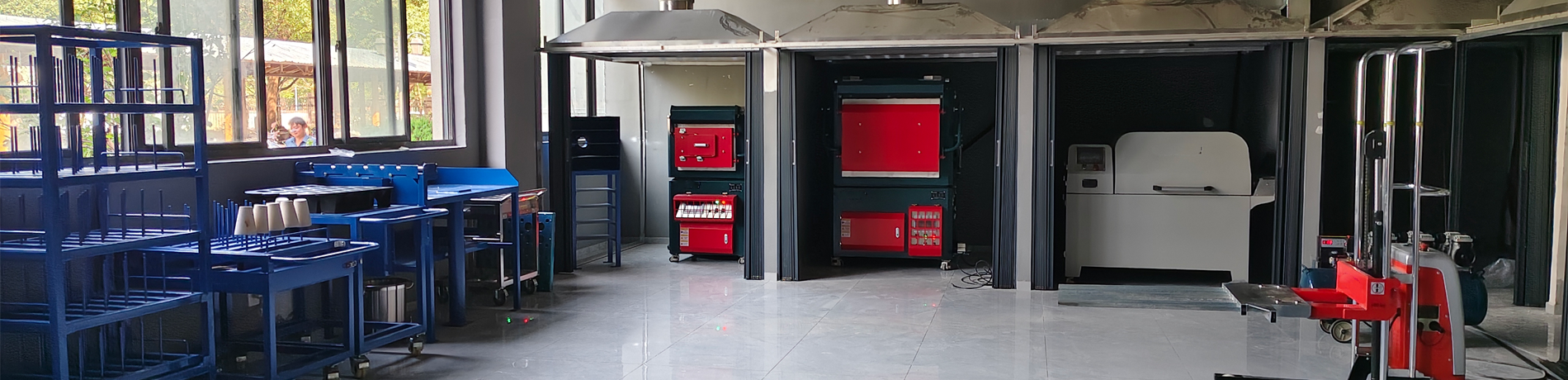
Applications and Advantages of High-Temperature Flexural Testing Machines
In sectors such as construction, metallurgy, and chemical engineering, the high-temperature resistance of inorganic non-metallic materials is of critical importance. To comprehensively evaluate the flexural strength of these materials in high-temperature environments, specialized testing equipment—specifically, a high-temperature flexural testing machine—is essential. In this article, we will explore the application scope and key advantages of such testing machines.
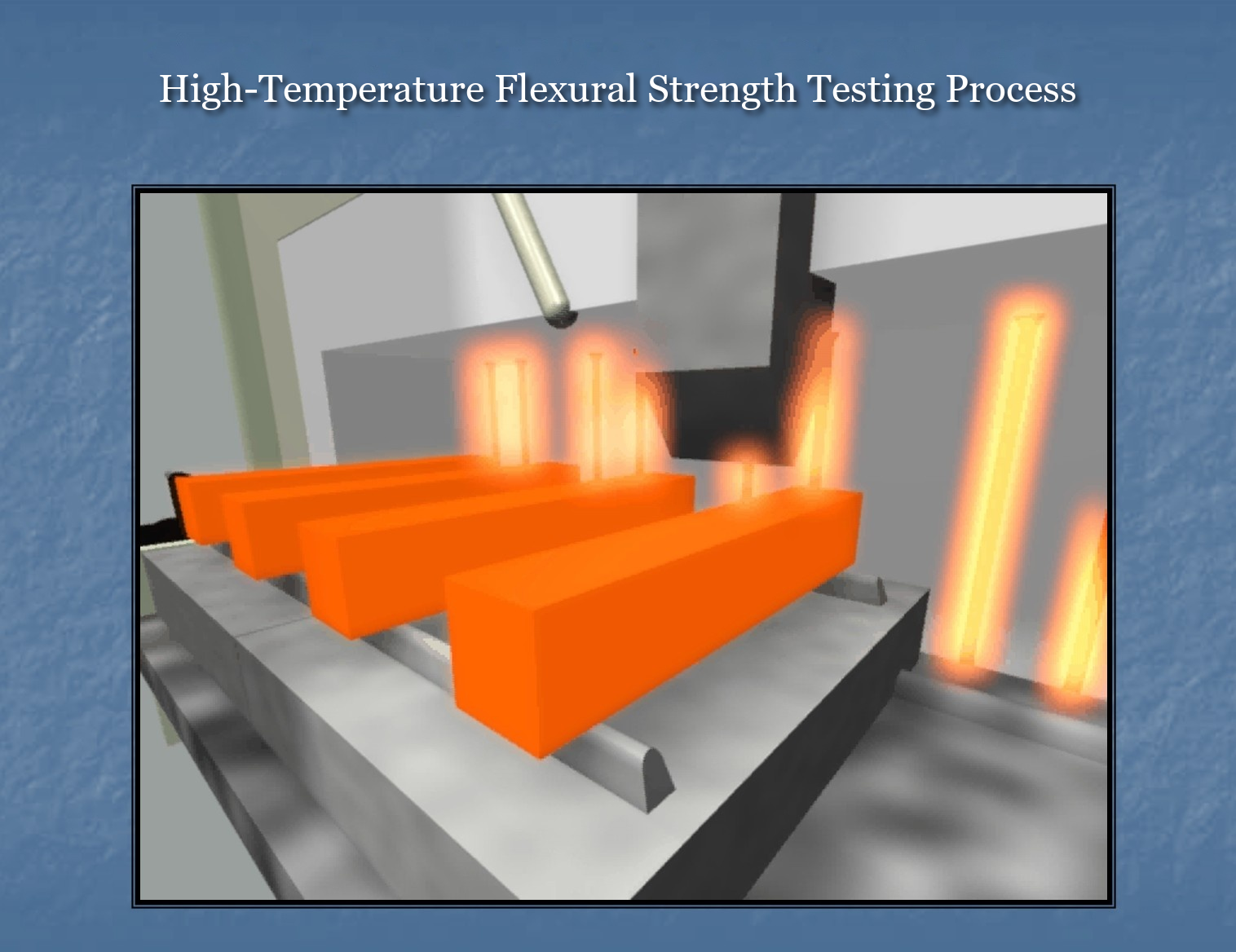
I. Application Scope of High-Temperature Flexural Testing Machines
1. Testing of Refractory Materials
Refractory materials are widely used in industries such as metallurgy, glass, and cement, where the ability to withstand extreme heat is a fundamental requirement. High-temperature flexural testing machines enable a thorough assessment of the flexural performance of various refractory materials at elevated temperatures, providing reliable data for evaluating their behavior in actual operational environments.
2. Testing of Ceramic Materials
Ceramics possess excellent high-temperature resistance and are extensively utilized in fields including machinery, electronics, and aerospace. High-temperature flexural testing machines allow for the precise measurement of key parameters—such as fracture strength and flexural strength—laying the groundwork for the application of ceramic materials under high-temperature conditions.
3. Testing of Concrete Materials
As a vital construction material, the high-temperature resistance of concrete is directly linked to the fire safety of structures. High-temperature flexural testing machines can simulate extreme scenarios, such as fires, to evaluate the flexural strength of concrete, thereby providing essential data for fire-safety design.
4. Testing of Wear-Resistant Materials
Certain specialized wear-resistant materials—such as silicon carbide or various borides—must maintain high strength and wear resistance even at elevated temperatures. High-temperature flexural testing machines can measure changes in the flexural strength of these materials under such conditions, supporting the assessment of their performance in practical applications.
II. Advantages of High-Temperature Flexural Testing Machines
1. Broad Temperature Range and Versatile Loading Methods
High-temperature flexural testing machines typically cover an extensive temperature range, meeting the testing requirements for the vast majority of inorganic non-metallic materials. Furthermore, depending on the specific shape of the specimen and the testing criteria, these machines support various loading configurations—such as three-point or four-point bending—offering a high degree of testing flexibility. 2. Precise Control and High Degree of Automation
Equipped with a computer-based control and data acquisition system, the equipment allows for precise regulation of parameters such as temperature and load. It provides clear, reliable test data, offering a solid foundation for subsequent analysis and processing. High-temperature flexural testing machines typically feature automated functions—such as sample loading, load application, and testing—which significantly enhance testing efficiency and reduce labor requirements.
3. Comprehensive Safety Protection
Constructed from high-strength, heat-resistant materials, the machine incorporates multiple safety features, including protective doors and emergency stop switches, to ensure the safety of operators.
This concludes the overview of the applications and advantages of high-temperature flexural testing machines. As a specialized material testing instrument, it is widely used to evaluate the performance of inorganic non-metallic materials, such as refractories, ceramics, and concrete. Key features include a broad temperature measurement range, versatile loading methods, and a high level of automation. The availability of this equipment has proven essential for assessing the performance of inorganic non-metallic materials in high-temperature environments, thereby ensuring the quality and safety of related products and engineering projects.
Recommended Products





Hot News
-
Across Continents, A Shared Pursuit of Precision | Zimbabwe ZMF Client Visits JZJ TEST to Inspect Containerized Sample Preparation + Fire Assay + Analysis System
2026-09-30
-
Ethiopia Fire Assay Experiment 4: Sample Fusion, Cupellation, and Tool Set—Achieving precise enrichment and witnessing the "rebirth through fire" of precious metals.
2026-08-31
-
Daily Maintenance and Care of a Refractoriness under Load and Creep Tester
2026-08-27
-
Revolutionizing Lab Efficiency: How the HNJC-T4A Redefines XRF Sample Preparation
2026-08-10
-
How to extend the service life of a high-temperature creep tester? Factors affecting service life.
2026-07-21
-
How do you choose the right high-temperature creep tester for softening under load?
2026-07-09
-
A Powerful Partnership: Eritrea Gold Mining Company Adopts Advanced JZJ TEST Fire Assay Equipment, Driving New Standards in Gold Refining and Testing
2026-07-02
-
Overseas Testing Capabilities Upgraded: China 15MCC’s Indonesian Subsidiary Introduces Full-Scale Fire Assay Equipment
2026-06-15
-
From Powder to Data: Unveiling the Secrets of the Perfect Pairing of Fusion Sample Analyzer and Spectrometer for Elemental Analysis
2026-06-09
-
Spanning Ten Thousand Miles, Quality Verified | JZJ TEST Fire Assay Laboratory Equipment Successfully Delivered to Russian Client
2026-05-26


